
Per Norén, known as Spångossen, lives in an old schoolhouse in Raman, Hälsingland, Sweden, where wood is more than a medium – it is the core of his daily rhythm. Through his finely carved wooden pieces, he explores the connection between craft, healing, and presence. His work bridges design and intuition, grounded in tradition yet quietly personal.
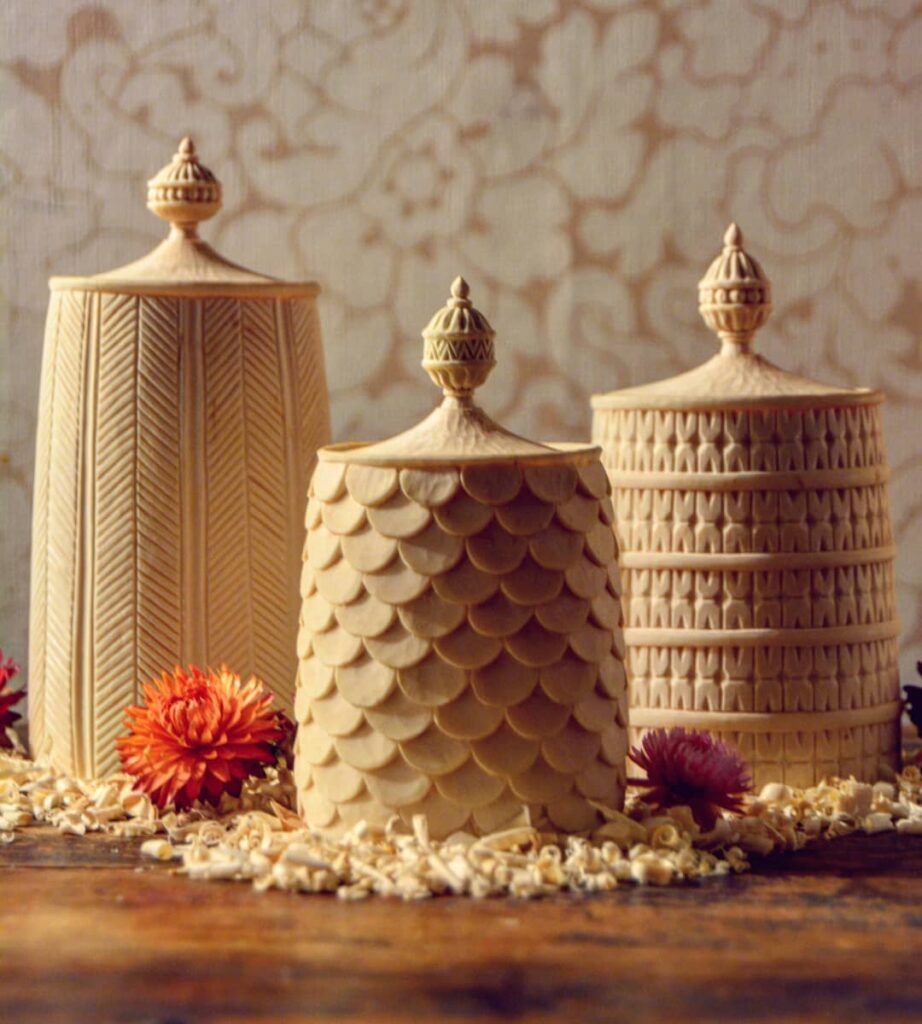
Origins and journey
Norén’s path to woodworking began in 2017 after a long period of illness. While spending time in his childhood home, he rediscovered an attic workshop and began carving to regain balance in life. Before that, he worked as an inventor, creating technical solutions – a background that sharpened his problem-solving instincts but left him searching for something more tactile. Woodcarving became that outlet, an act of rebuilding himself through physical creation.
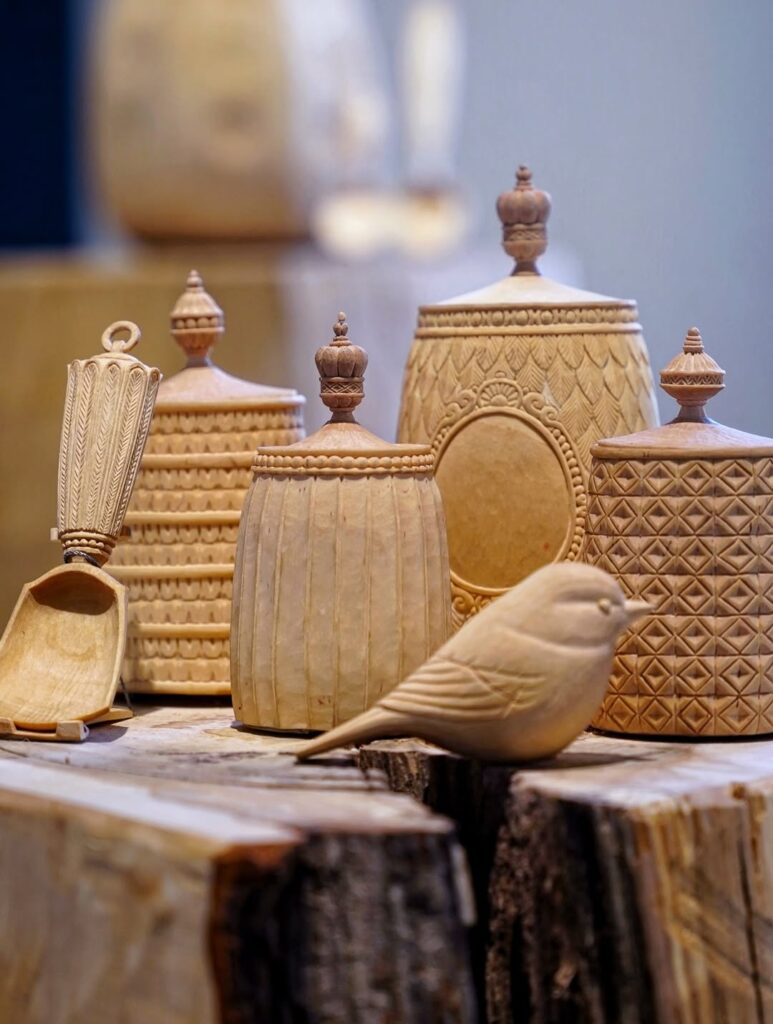
Living among the forests of Hälsingland, he draws energy from the natural landscape and the rhythm of rural life. His relationship with wood is intuitive; he lets the grain guide the process rather than impose form. Each project begins with curiosity rather than a fixed idea, letting material and mood shape the outcome.
The carving method
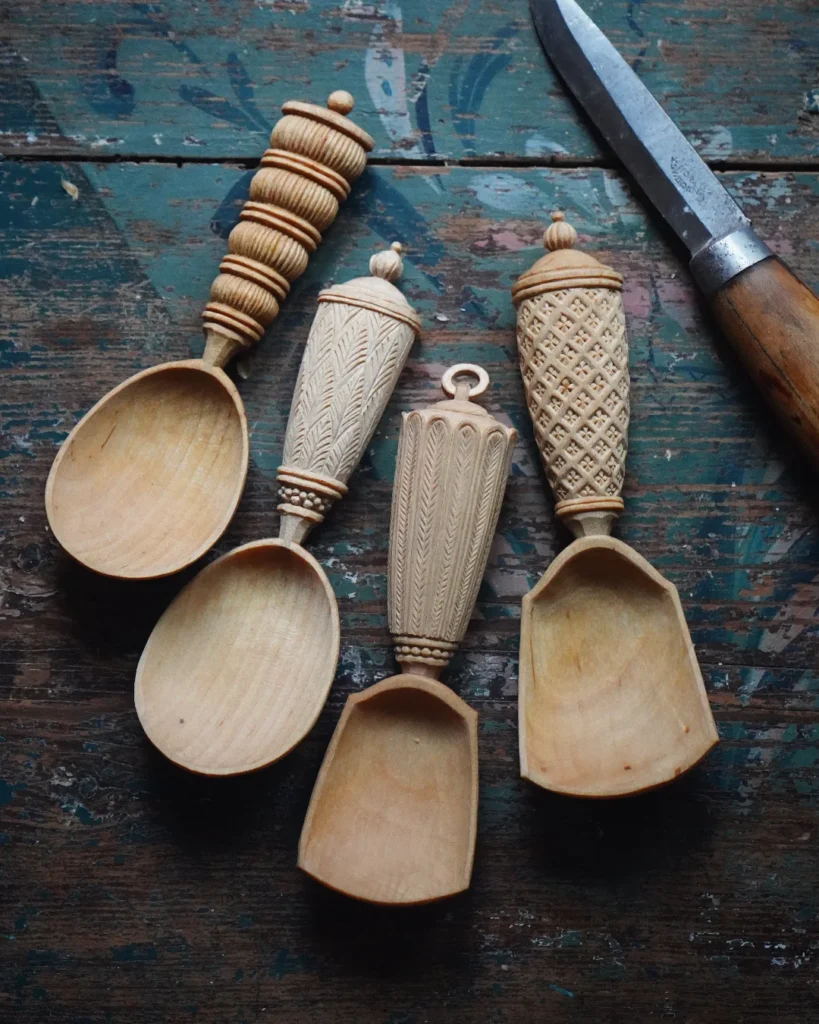
Spångossen’s process revolves around simple hand tools – mainly axe and knife. During spoon-carving courses he leads at the Gränsfors Bruk Axe Museum, he explains that the axe defines the rough form and direction, while the knife brings refinement and personality. His approach emphasizes ergonomics, balance, and mindfulness in every cut.
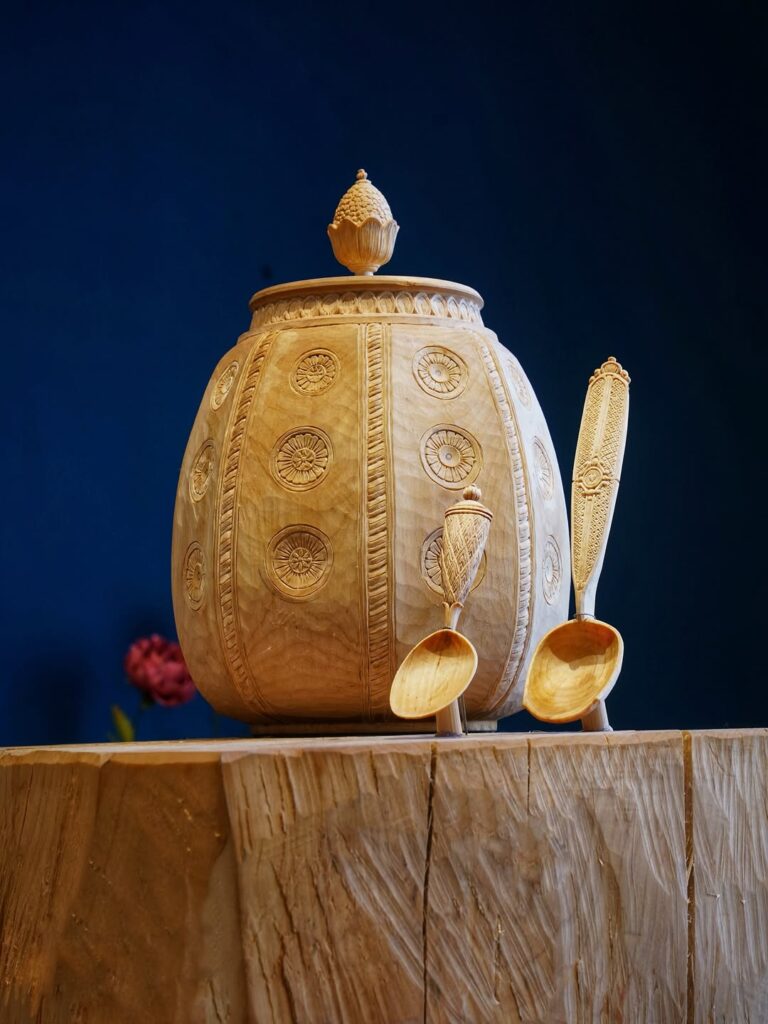
To him, carving is a full-body experience. It demands physical control, spatial awareness, and emotional focus. He describes it as three layers of engagement: body through motion, mind through form, and spirit through presence. This slow and deliberate pace gives his work a distinctive honesty that manufactured objects lack.
Style and signature objects
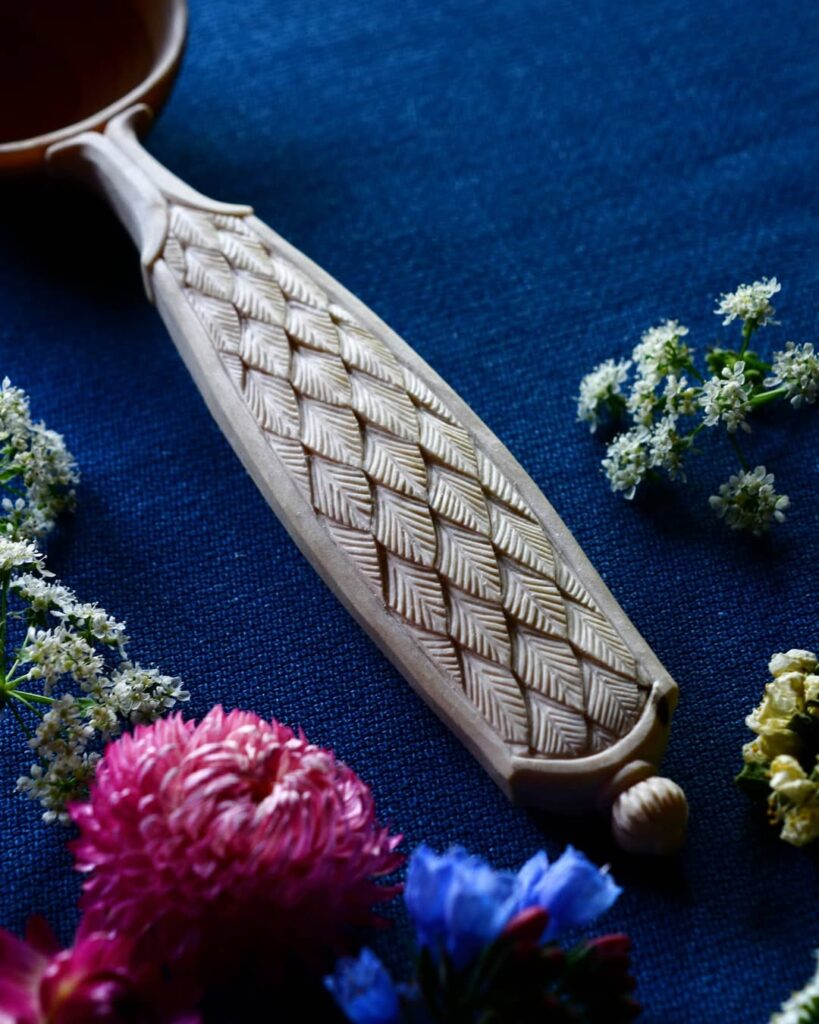
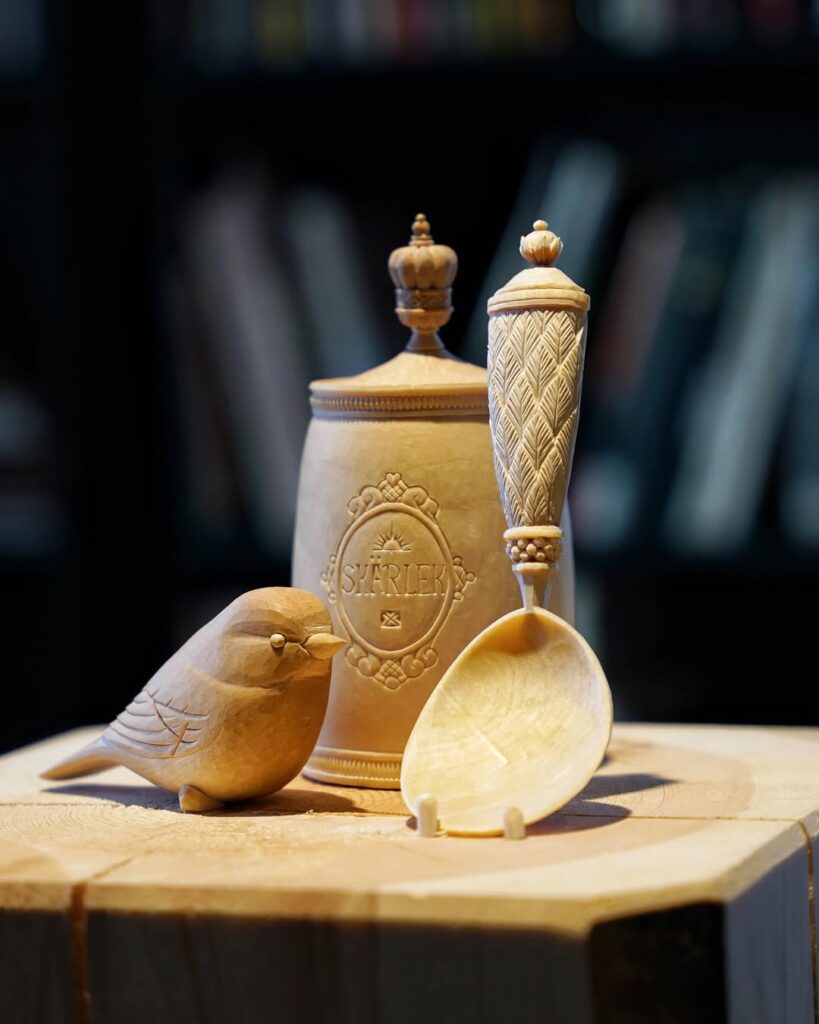
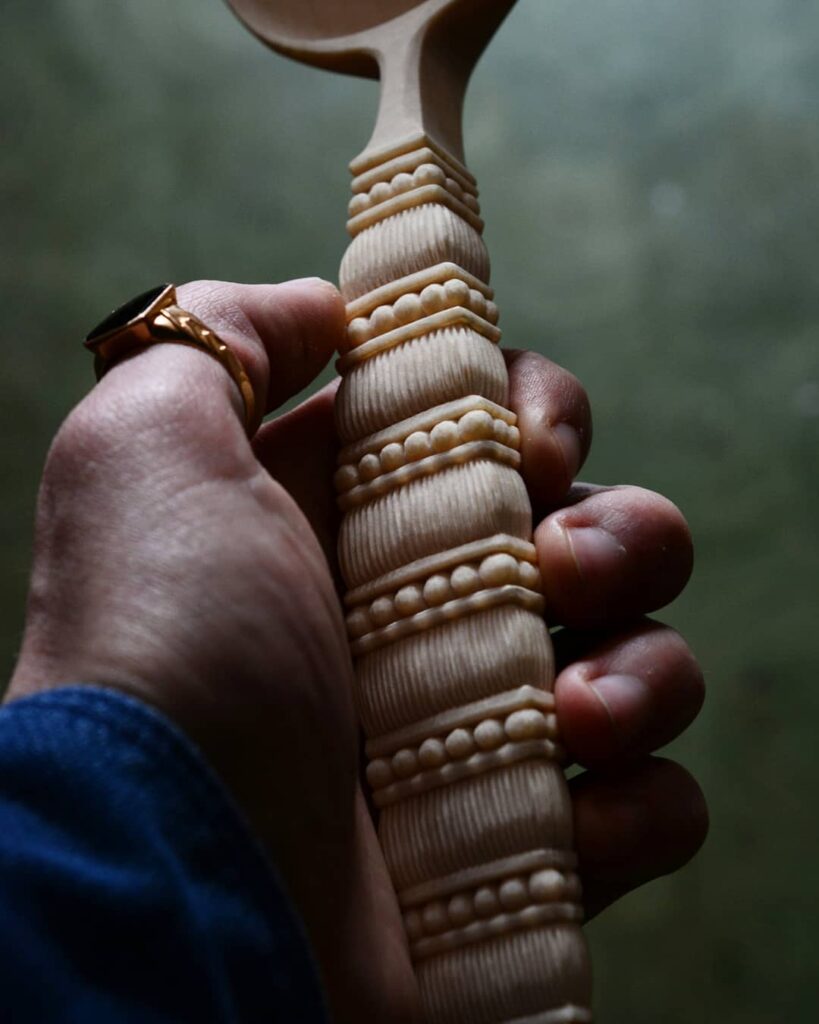
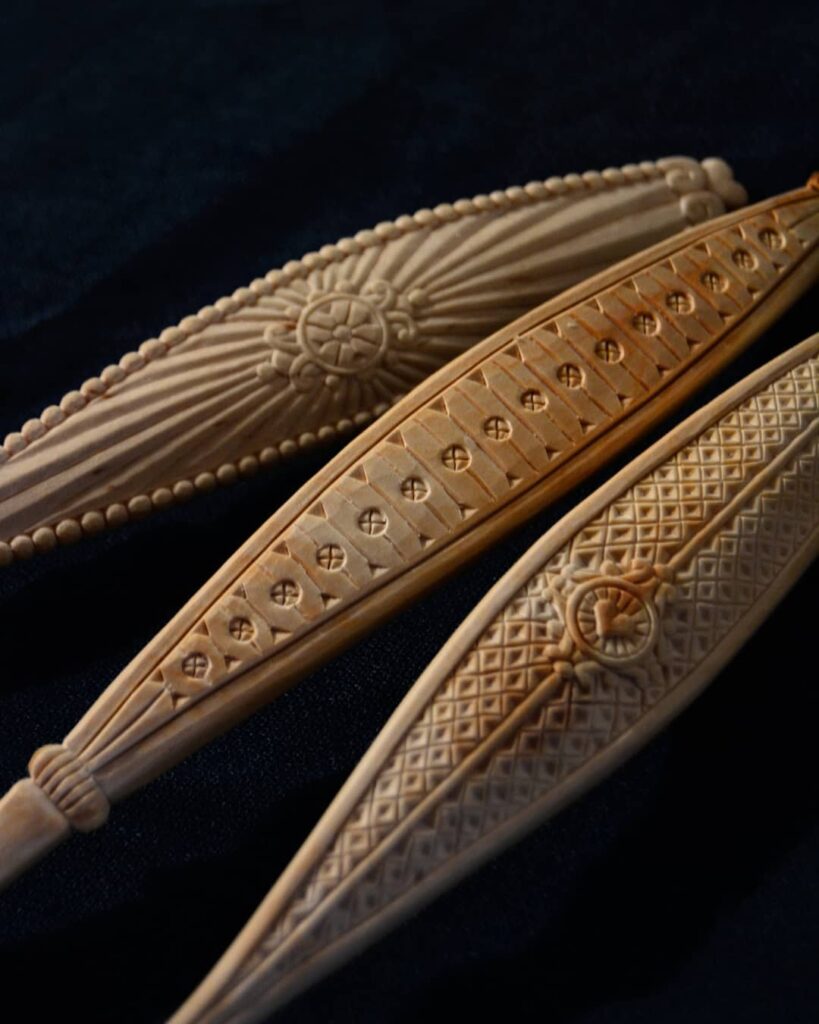
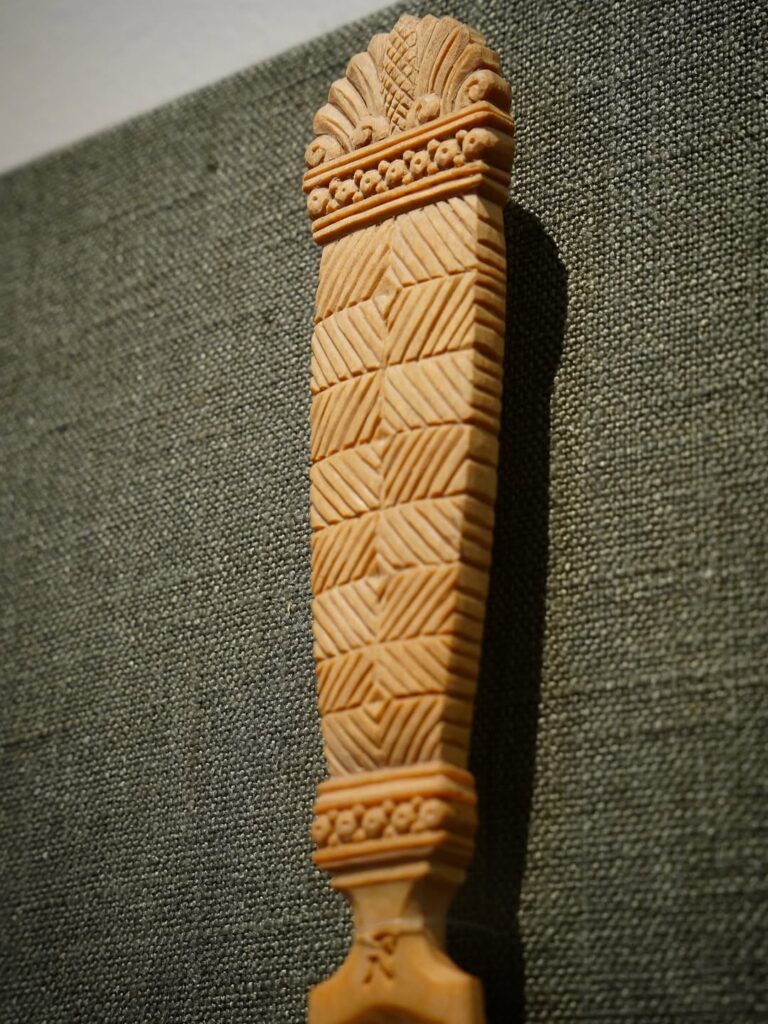
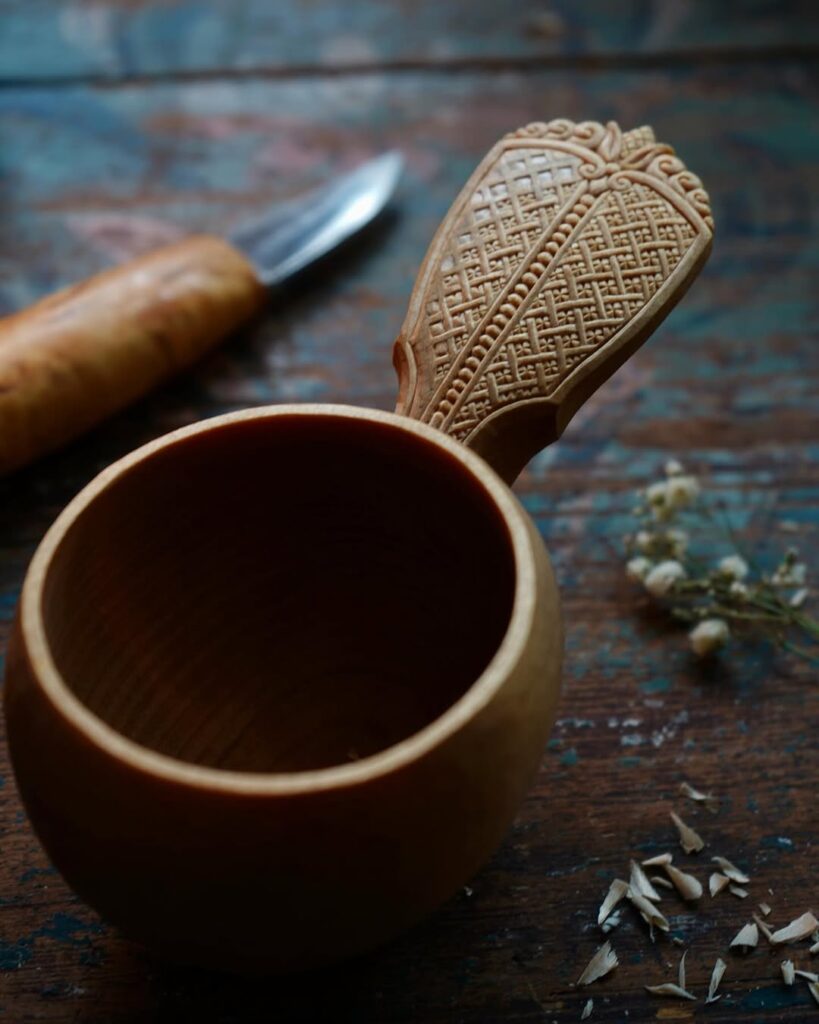
Spångossen’s body of work includes spoons, cups, bowls, and shrink-boxes – all simple, yet deeply considered. He often works in birch, chosen for its smooth grain and pale tone that accentuates hand-tooled textures. Rather than polishing every surface to perfection, he allows the marks of carving to remain visible, celebrating the process instead of concealing it.
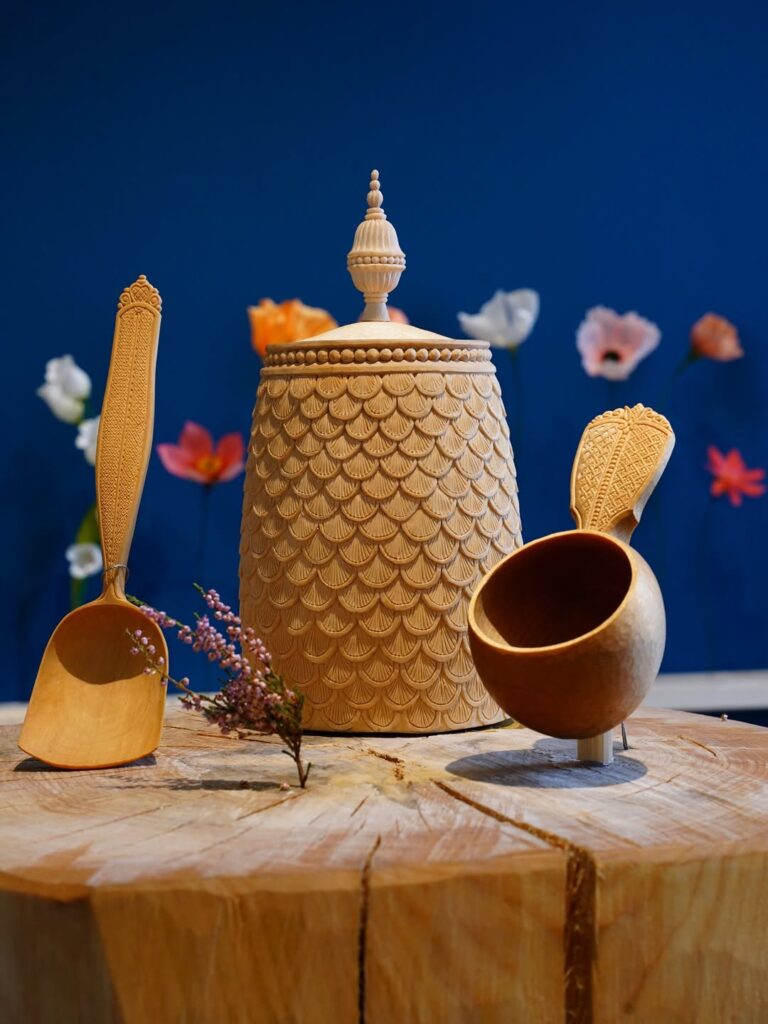
Each piece looks ready for daily use but also holds the quiet dignity of sculpture. The proportions are balanced, the forms soft yet confident. His objects feel both functional and reflective – the kind of pieces that grow more meaningful with time and touch.
Teaching and outreach
For Spångossen, sharing knowledge is an essential part of the craft. He regularly teaches spoon-carving and tool-use workshops, encouraging participants to focus on feel instead of precision. His courses are less about mastery and more about rediscovering rhythm and connection with material. He often reminds beginners that carving is not about speed, but about developing trust between hand and tool.
In an era of digital production and rapid design turnover, Norén’s philosophy invites people back to a slower, more deliberate form of making. He represents a new generation of woodworkers who view tradition not as constraint but as foundation.
Lasting significance
In modern woodworking, Spångossen’s work stands out for its focus on authenticity over innovation. He avoids spectacle and trend, choosing instead to explore the meeting point between tool, hand, and wood. Each carving carries intention, each curve shaped by instinct rather than precision rules. What seems humble at first glance reveals a disciplined understanding of balance and form that defines true craftsmanship.
A life carved in wood
In his Hälsingland workshop, Spångossen continues to carve birch with axe and knife, letting each piece evolve naturally from the grain. The results are functional yet deeply expressive, shaped by patience and respect for the material. His spoons, cups, and vessels capture something enduring – a reminder that the finest art often begins with simple tools and honest hands.
Reply