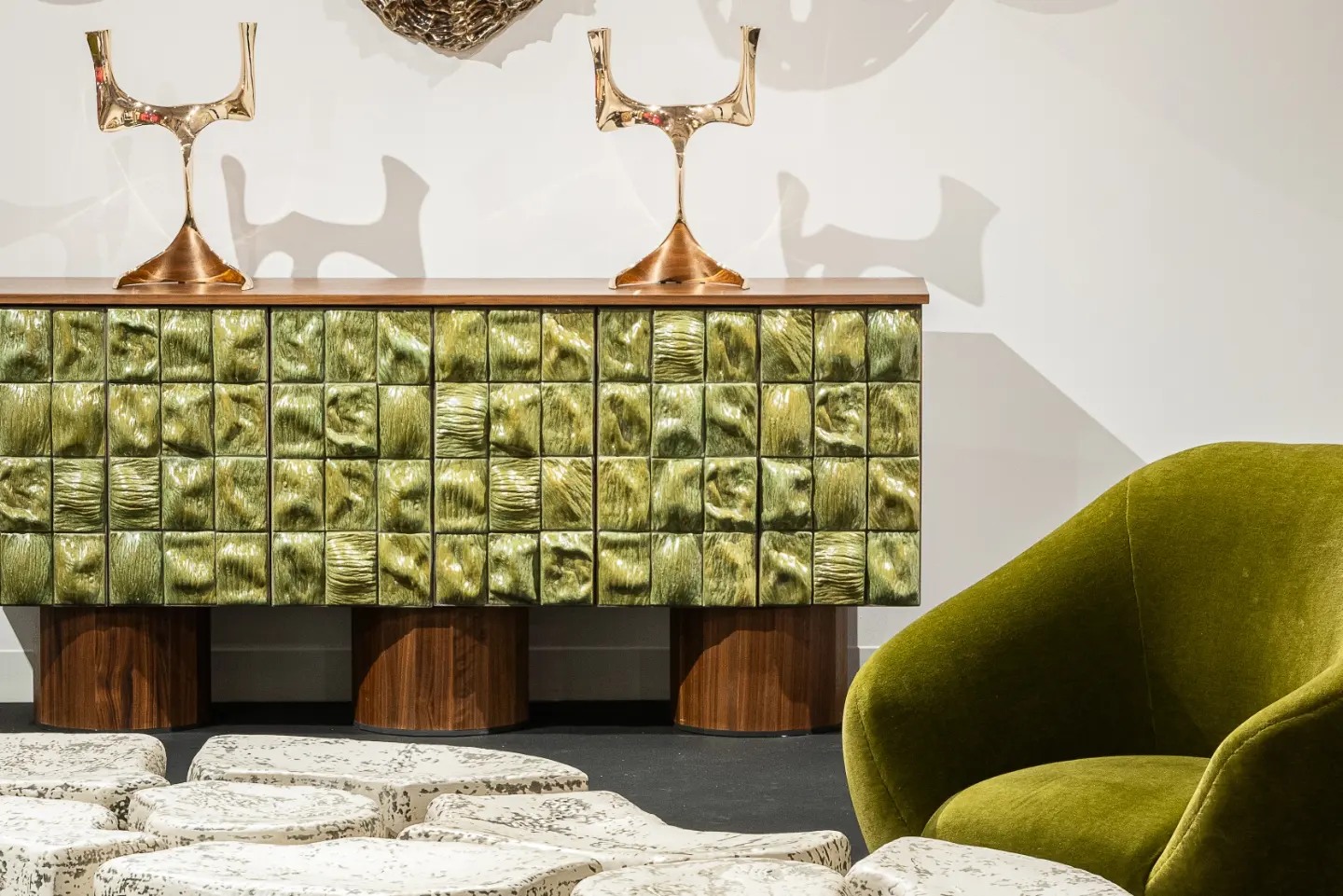
REM Atelier is a Rotterdam-based art and design studio founded by Remty Elenga and Remco van Halderen. Working between art and functional design, the duo is known for handcrafted, limited-edition objects that treat furniture as a place where material, texture, and utility collide. Ceramics and wood sit at the center of their practice, often shaped into forms that feel grown rather than assembled.
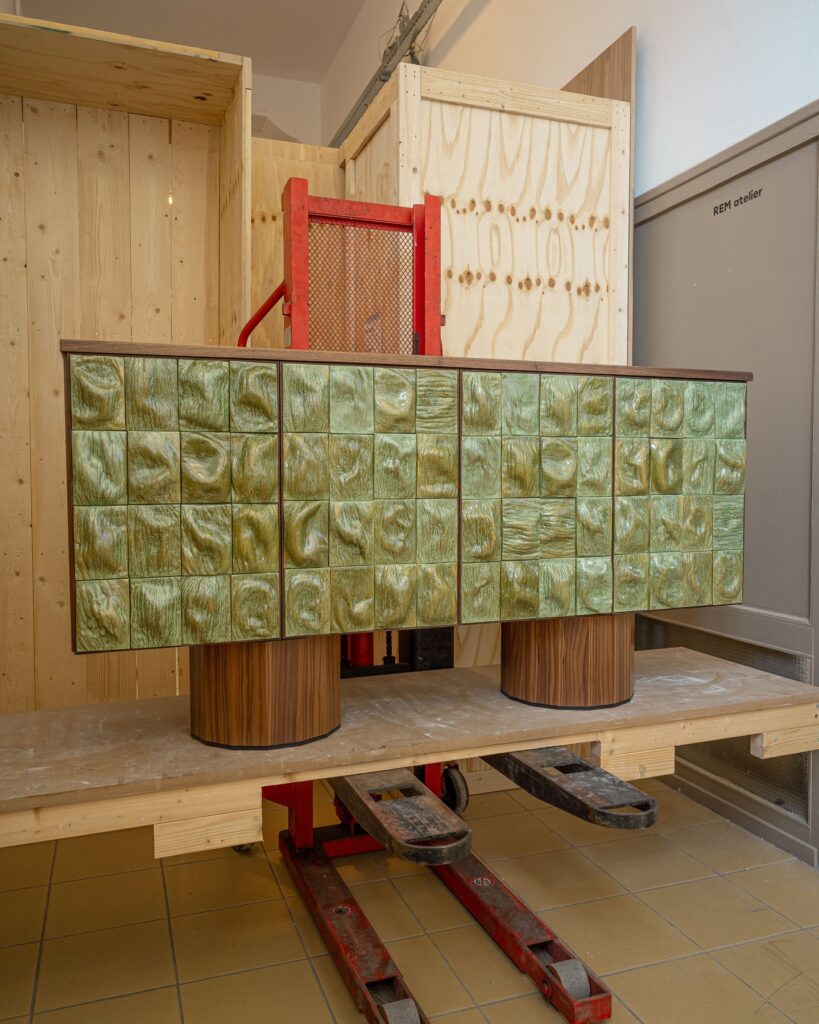
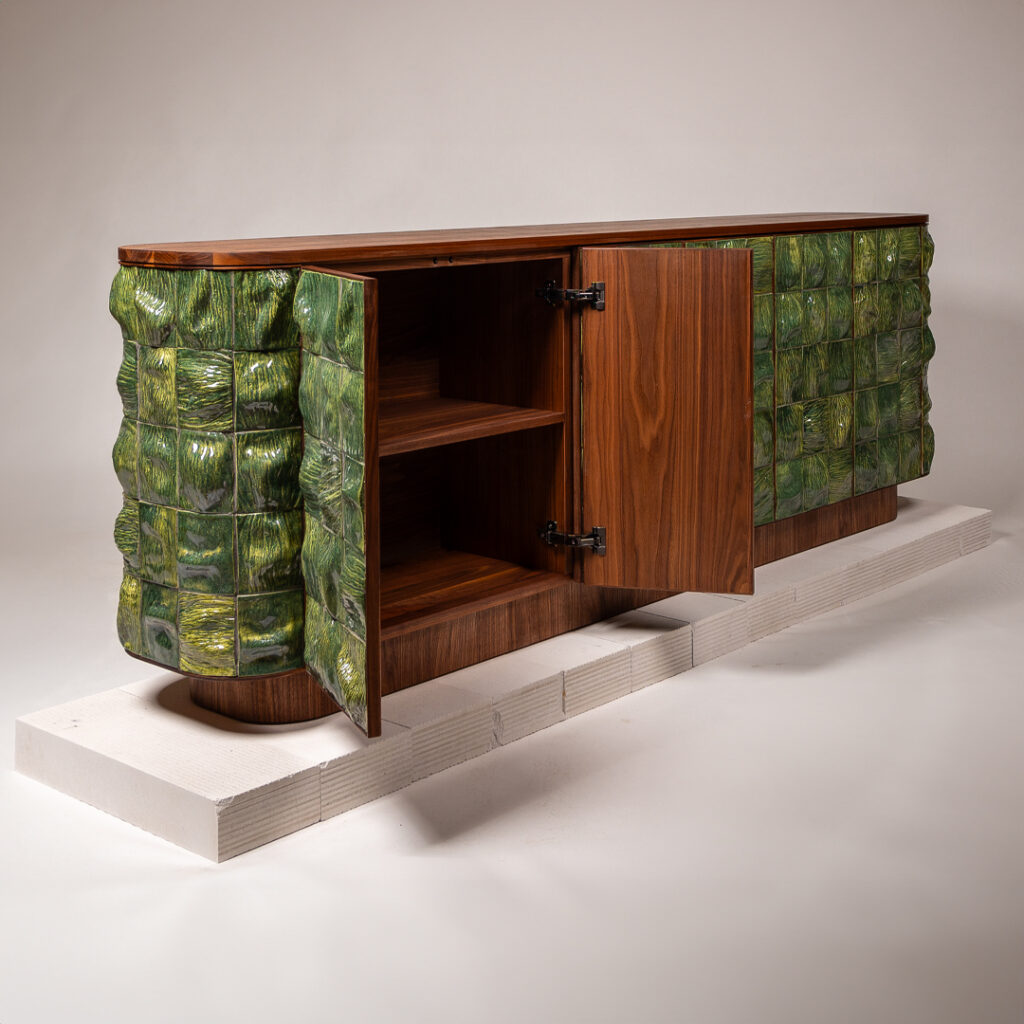
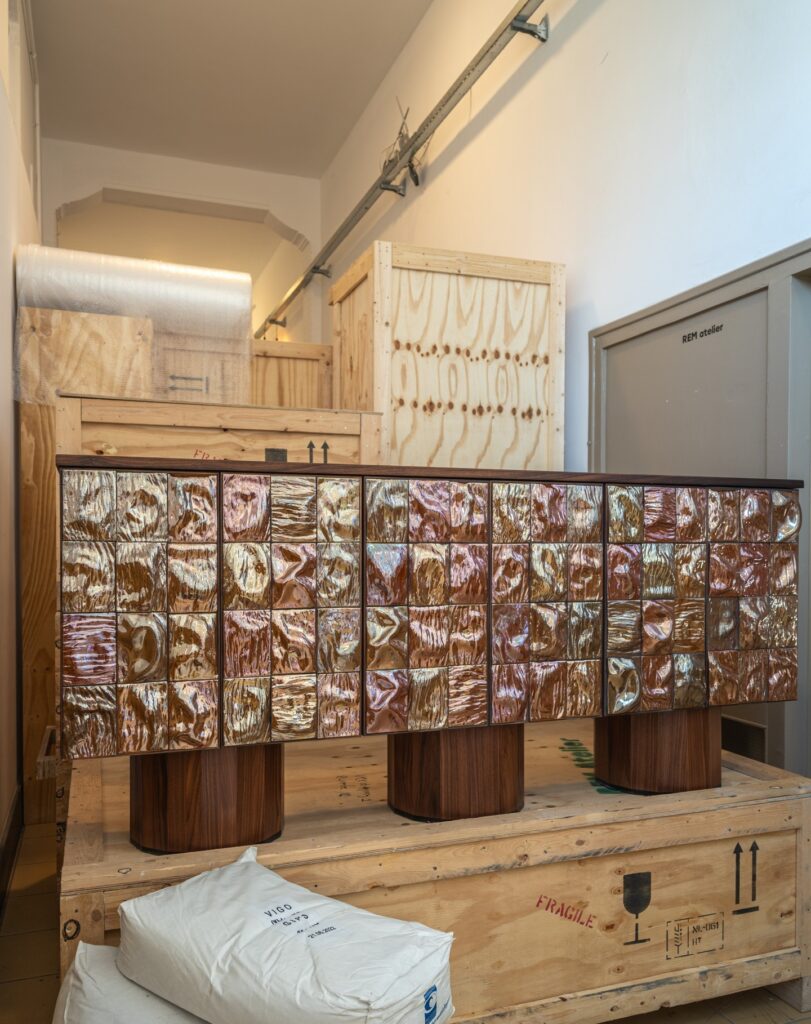
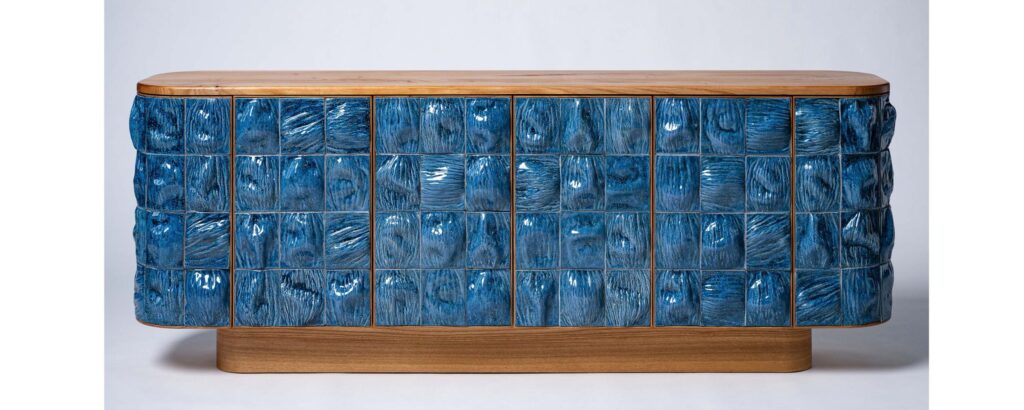
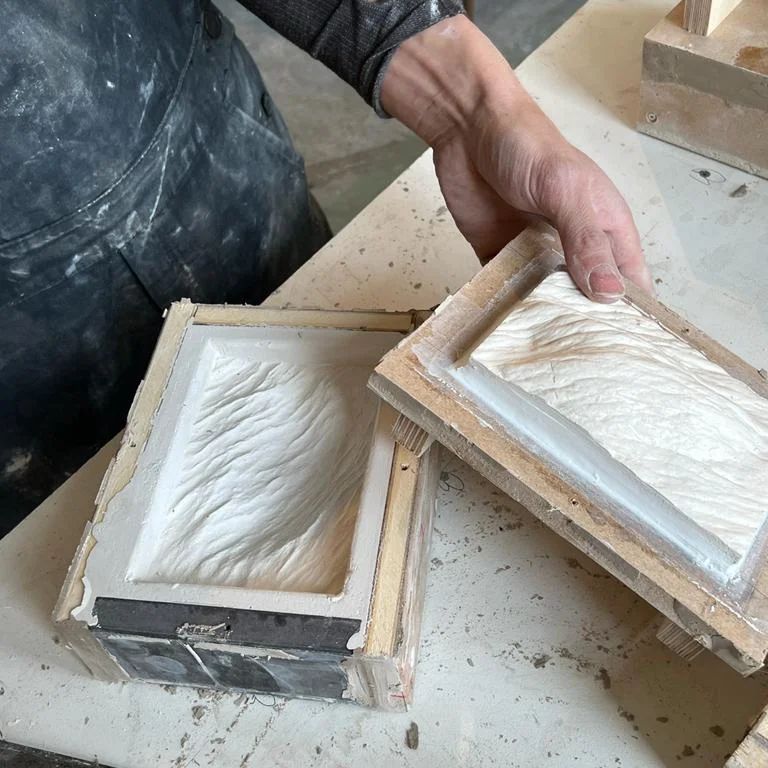
One of their clearest statements is the Surfaced Cabinet series. These cabinets turn the front face into a relief field of individual ceramic tiles, each coming from a different mold so the surface reads like a natural record – fossil-like, uneven, and rhythmic instead of perfectly repeated. The cabinet’s wooden base is built to emphasize grain direction and line, so the piece becomes a conversation between the graphic flow of wood and the topography of glazed ceramic. Versions are produced in different sizes, but the core idea stays the same: storage wrapped in an engineered “skin.”
In 2024, REM Atelier pushed that tiled language into modular furniture with Shifting Forms. The project uses hundreds of handmade ceramic elements treated with multiple glazes and fired at different temperatures, arranged across a set of modules that can work together as a larger shelving system or stand alone as simpler objects. It is an approach that keeps the craft visible, while still operating like a flexible design system.
Wood is not just a support material in their work. The Twin Table (2016) is built from oak and wenge fitted as positive and negative shapes, creating a tight pattern that references fishbone layouts while also aiming to reduce material waste through a specially developed grid. The visual effect changes as the grain directions catch light from different angles, turning a flat tabletop into something more optical and active.
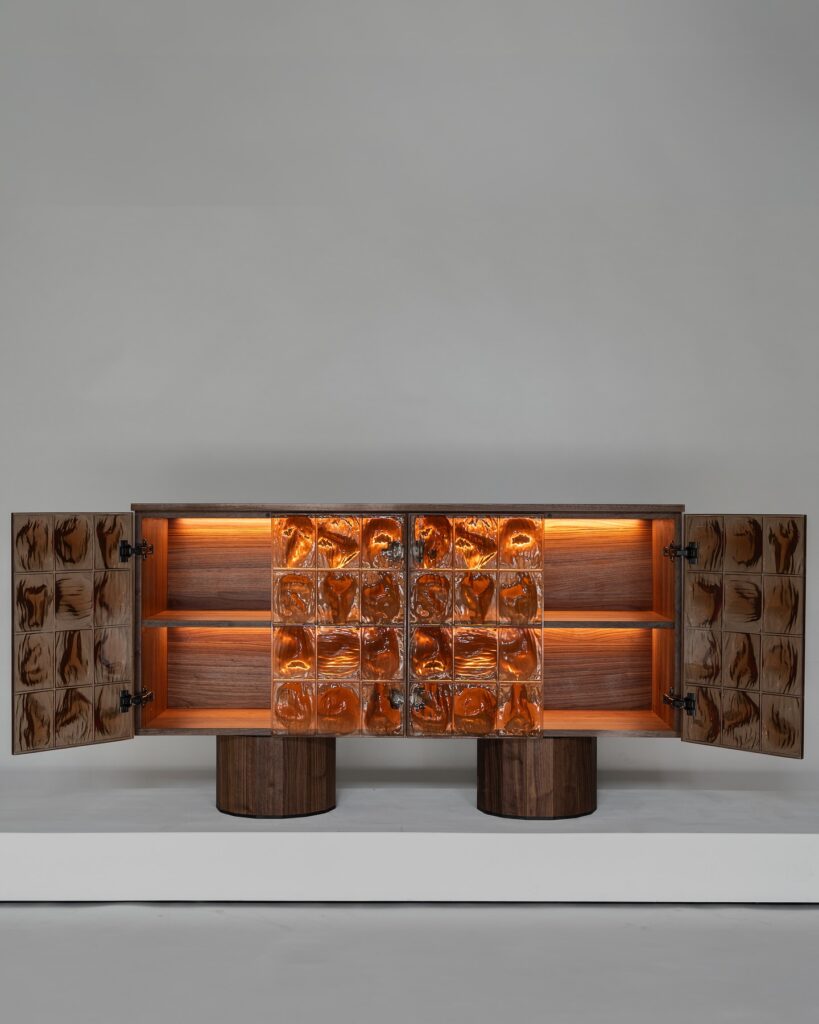
Their ceramic thinking also shows up as architectural surfaces. Melon Skin (2018) uses hand-cut tiles cast from a real melon to recreate a living, tactile texture across a room divider format, with each tile shaped during drying so variation is baked into the system. Even when a piece leans more sculptural, the logic stays consistent: repetition with built-in irregularity, like nature’s version of mass production.
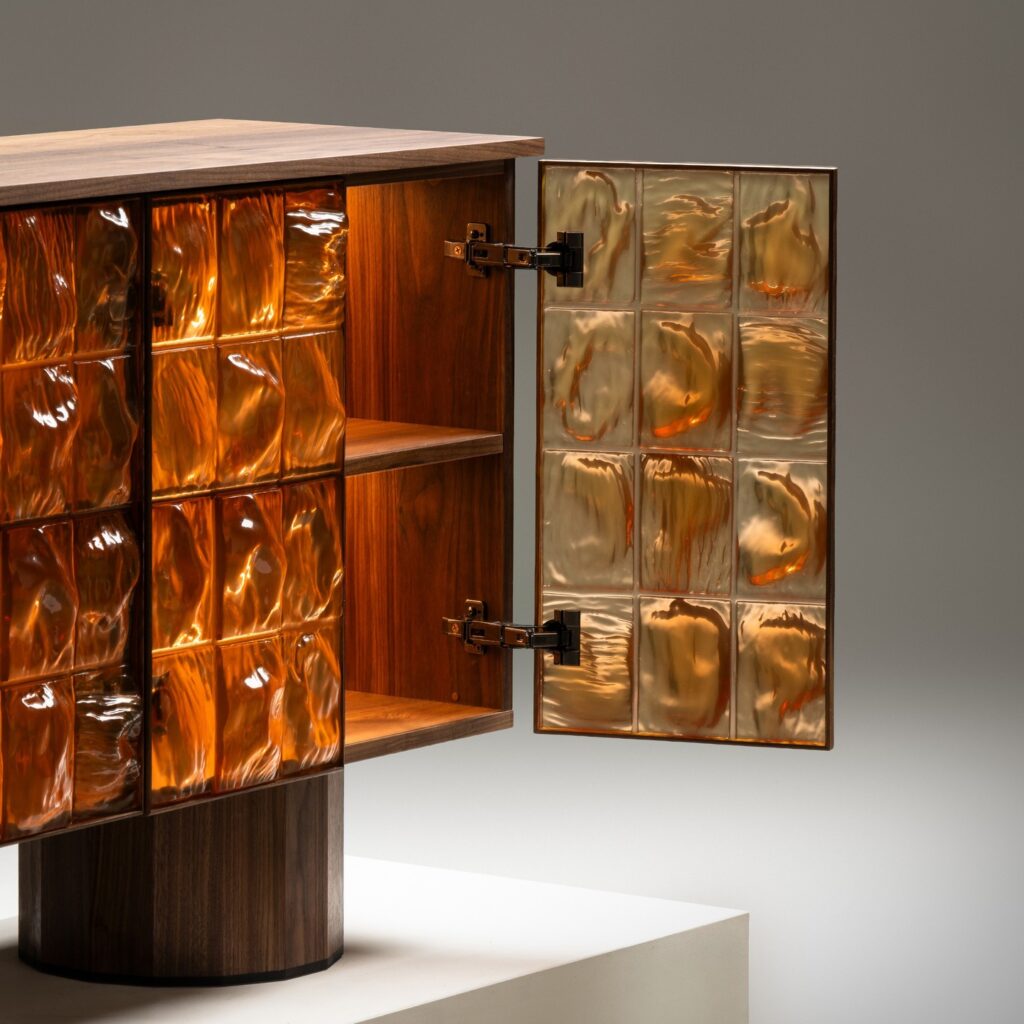
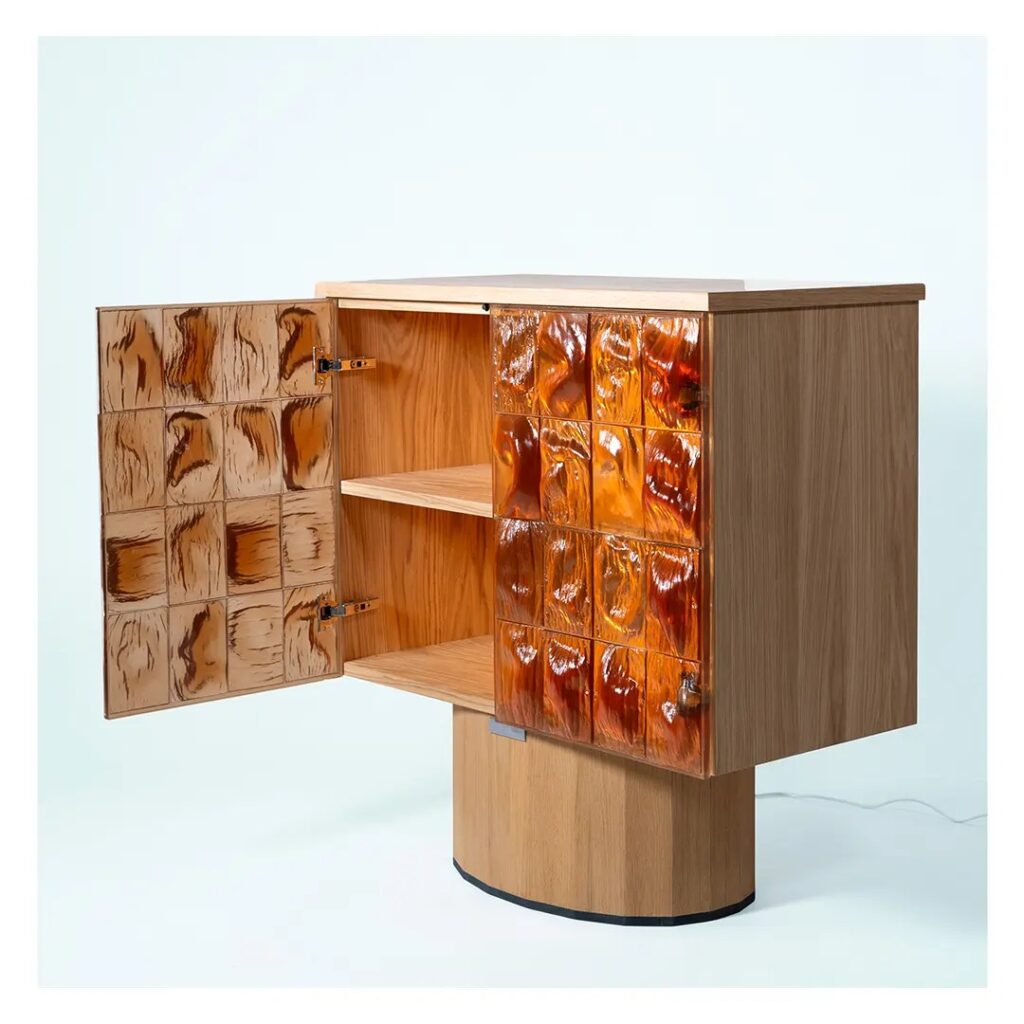
Across cabinets, tables, and tiled structures, REM Atelier’s furniture sits in that rare zone where craftsmanship is not decoration – it is the main structure of the idea. The studio has shown work at international fairs and exhibitions including Design Miami and Collectible in Brussels, reinforcing its position in the collectible-design world rather than conventional product furniture.
Reply