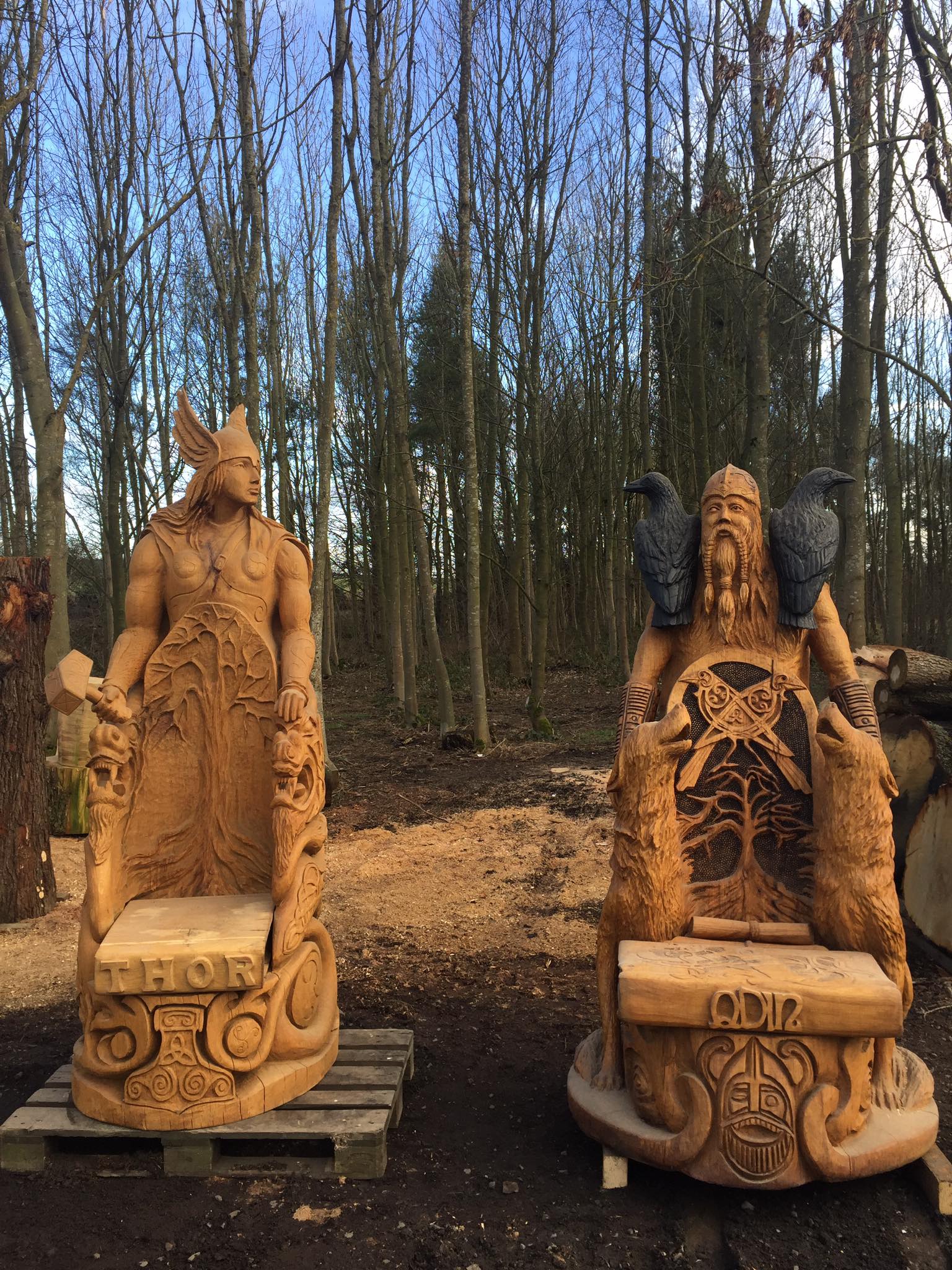
Tommy Craggs has spent years carving life into timber that many would simply pass by. Born in northern England and shaped by its rugged landscapes, he grew up with a practical respect for woodlands and their slow transformation through the seasons. That early closeness to nature ended up defining his artistic direction. Over time Craggs became known not only as a skilled chainsaw carver, but also as an artist who treats fallen trees as repositories of memory. He often says that every trunk already carries its own story. His job is to reveal the part still hidden inside.
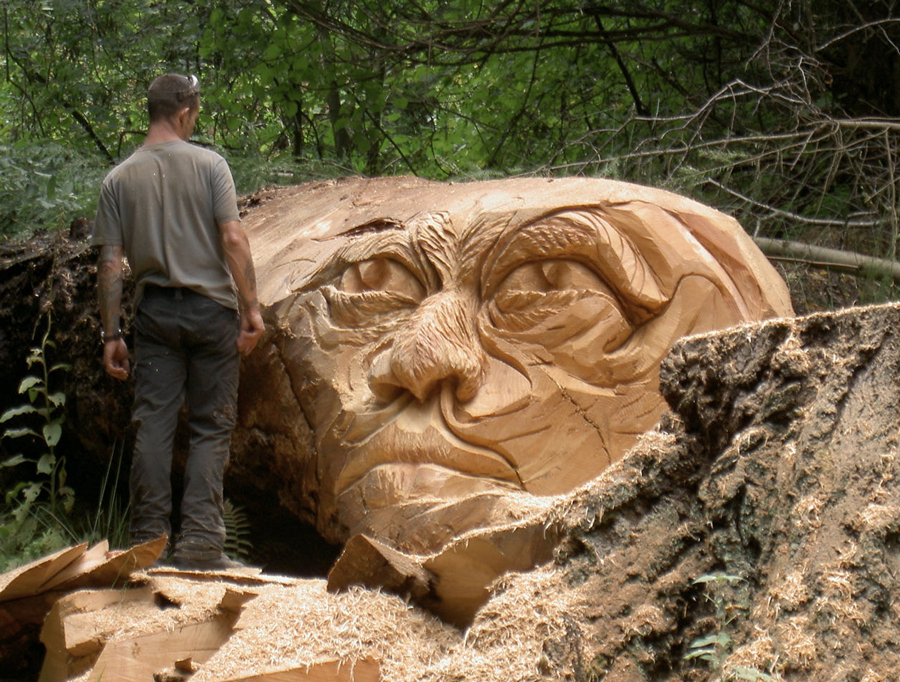

Craggs did not reach chainsaw carving through traditional sculpture. Instead, he moved through a mix of forestry work, conservation projects and hands-on trade experience. Those years sharpened both his understanding of wood and his appreciation for the character of each species. Eventually the chainsaw became his chosen instrument because it offered speed, precision and a kind of raw honesty. That directness also shaped his artistic voice. Rather than chase glossy perfection, he tends to preserve knots, scars and natural grain, allowing those organic marks to guide the final form.
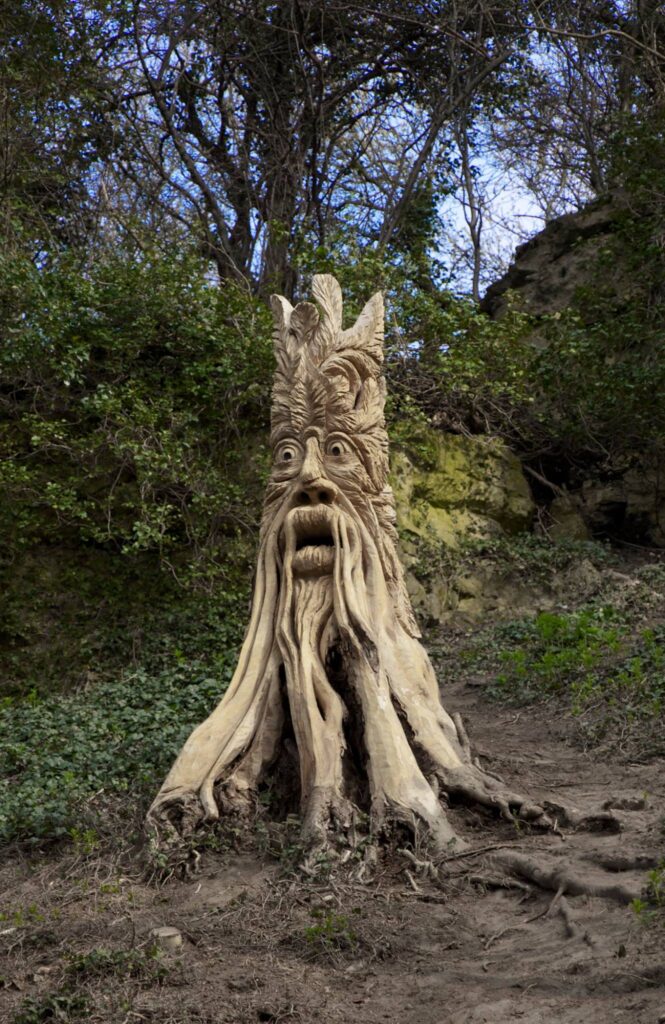
Furthermore, Craggs developed a distinctive approach that blends environmental sensitivity with large scale visual impact. He is widely known for creating wildlife scenes, folklore figures and strong symbolic compositions that grow out of the material rather than sit on top of it. Many of his pieces emerge from storm-damaged trees or timber removed for safety reasons, which reinforces the idea of giving something discarded a second life. This attitude has become a recognizable thread running through his portfolio.
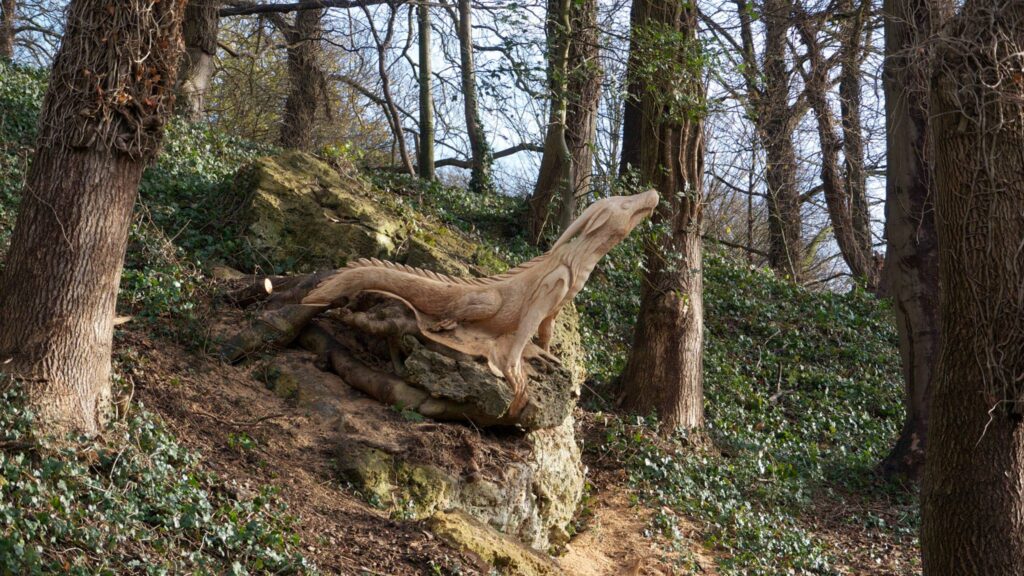
As his reputation expanded, so did the range of commissions. Public parks, heritage estates and nature reserves have all sought his work because it draws attention without overwhelming its surroundings. Craggs has a knack for adapting to each landscape. He studies the area, its species and its history before shaping a concept. As a result his sculptures often feel as if they have always belonged there. They enhance a space rather than dominate it.
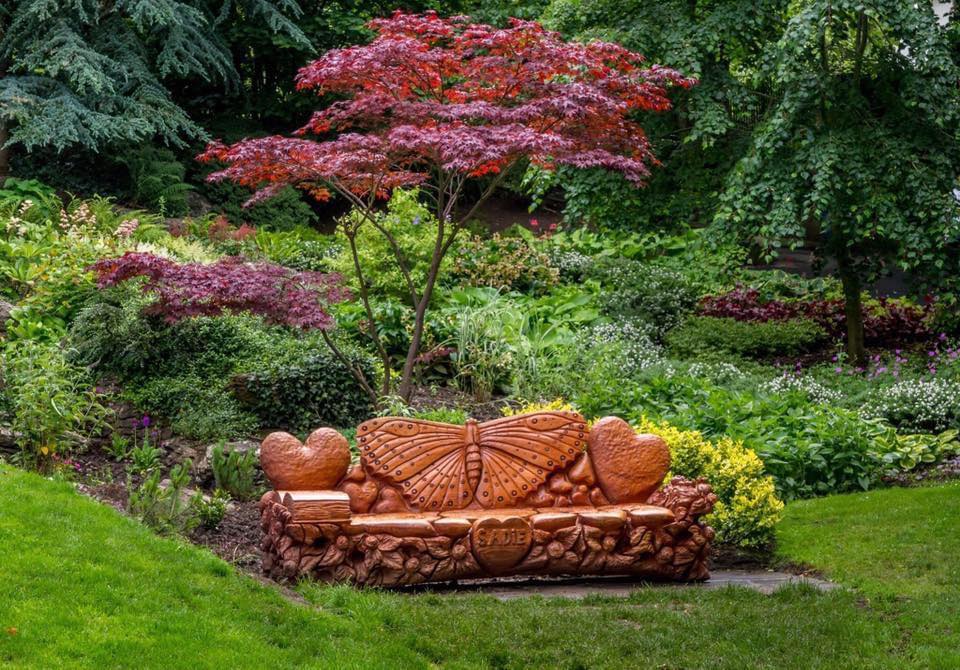
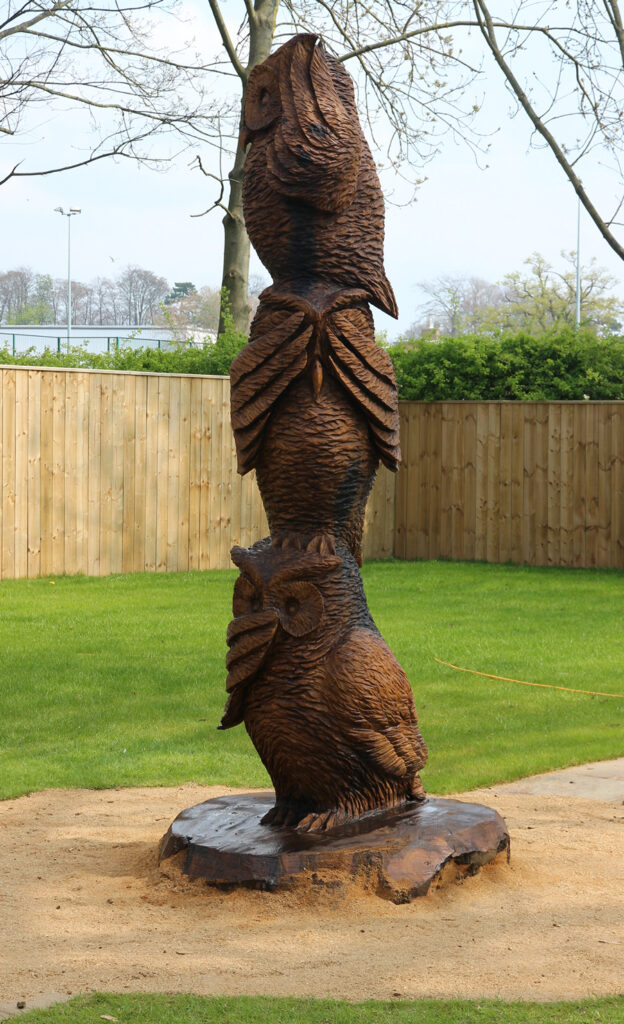
One of the standout qualities of his carving style is the energy he manages to capture. A barn owl twisting its wings, a stag holding its posture, or a mythical figure rising out of the trunk all appear caught in motion, as if the scene might continue the moment the viewer turns away. That sense of movement comes from clever use of texture and well-controlled cuts. Craggs shifts between broad, confident strokes and narrow, carefully placed detailing, letting shadow and grain do part of the visual work. The contrast makes the carvings appear both powerful and delicate.
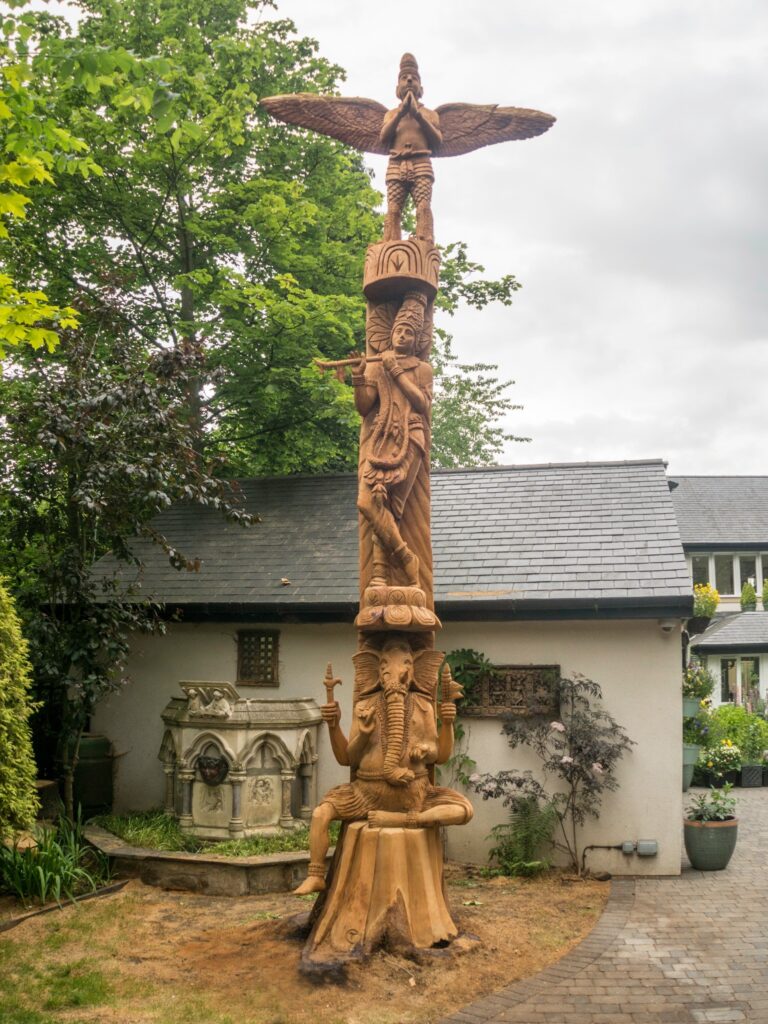
Moreover, his interest in local wildlife runs deep. Many sculptures feature species that reflect the region where the tree originally grew. This connection creates a quiet conversation between the work and its environment. In some cases Craggs even aligns the sculpture with natural sightlines or sun paths, allowing light to change the mood throughout the day. Little decisions like these show how strongly he values context.
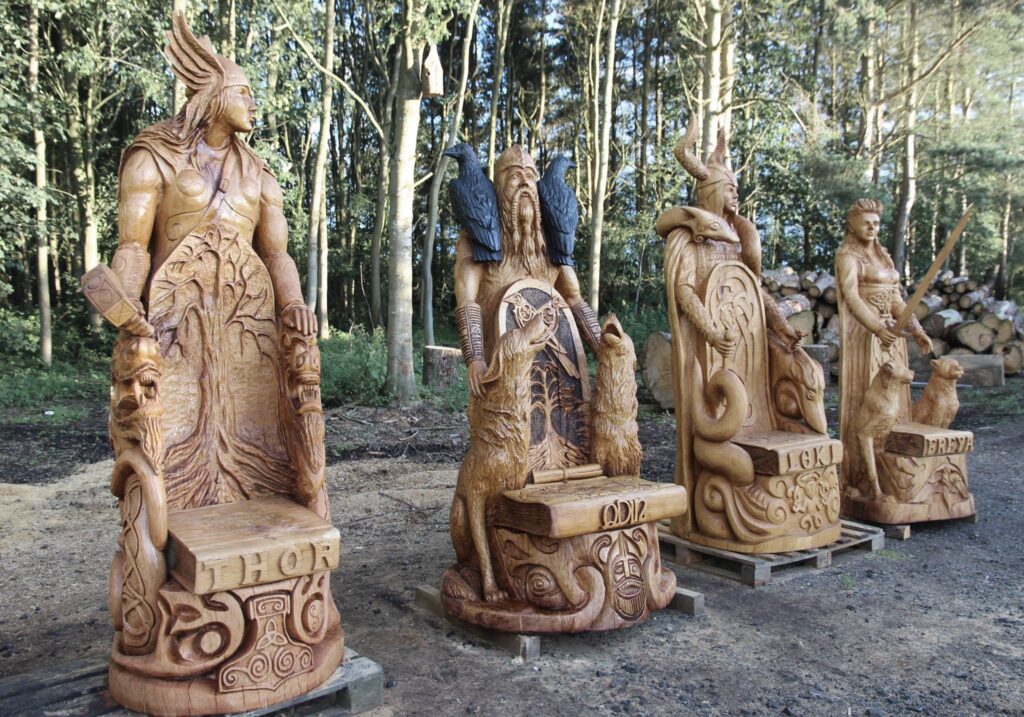
Although chainsaw carving can look aggressive from a distance, Craggs treats it as a careful craft. He starts with a study of the trunk, reading the tension, moisture and direction of the grain. Once he identifies the form he wants to release, the first stage is usually rough blocking. The chainsaw removes the outer mass quickly, establishing the main silhouette. After that he shifts into a more measured rhythm. Smaller saws, grinders and traditional carving tools come into play, gradually refining expression and surface character. This layered process helps him balance boldness with finesse.
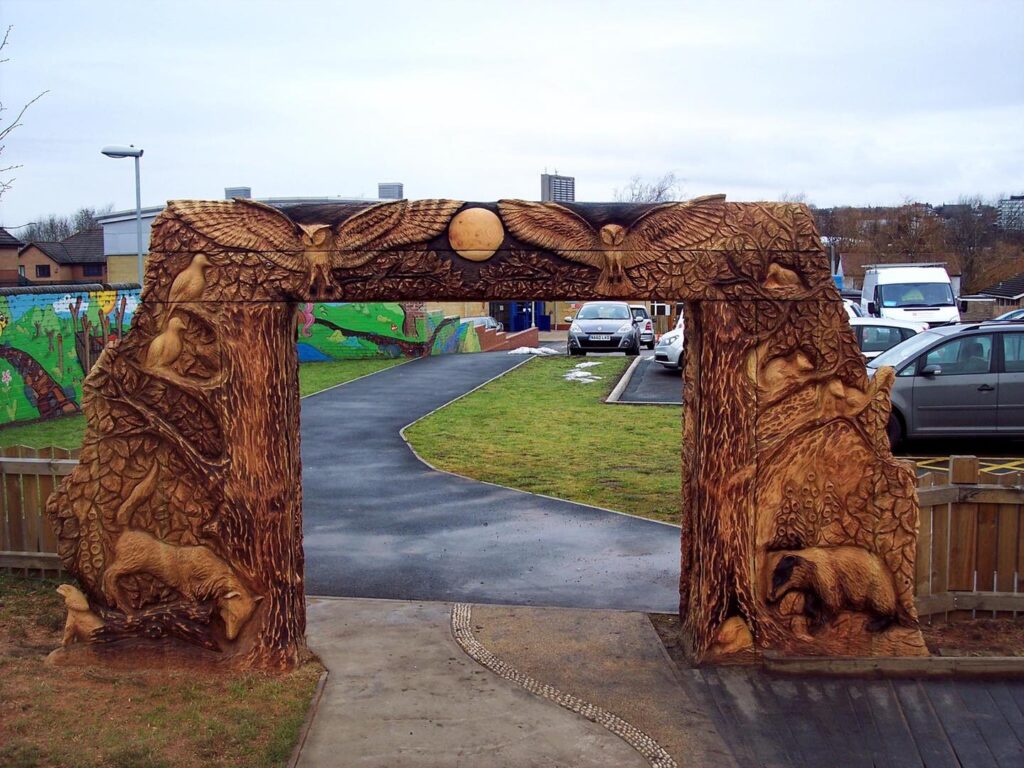
In recent years Craggs has produced numerous works that have gained wide attention, from tall woodland guardians to multi figure compositions designed for community spaces. Many pieces serve as landmarks and meeting points, turning previously overlooked corners of parks into memorable spots. People often interact with his carvings in a direct way, touching the grain, following the curves and noticing small details that might be missed in photographs. That physical closeness contributes to the popularity of his art.
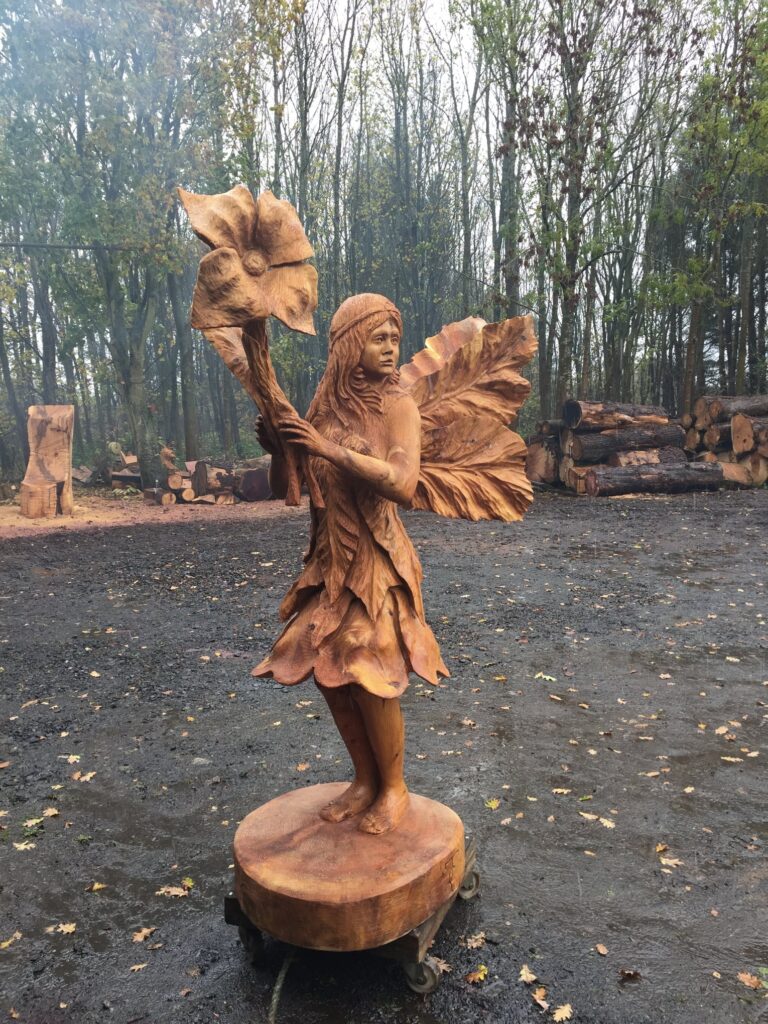
Beyond the spectacle of the final result, Craggs also reminds audiences of the value of responsible woodland management. By using timber already destined for removal, he demonstrates how creative work can coexist with ecological awareness. This mindset aligns with broader interest in sustainable art and adds a meaningful layer to his practice.
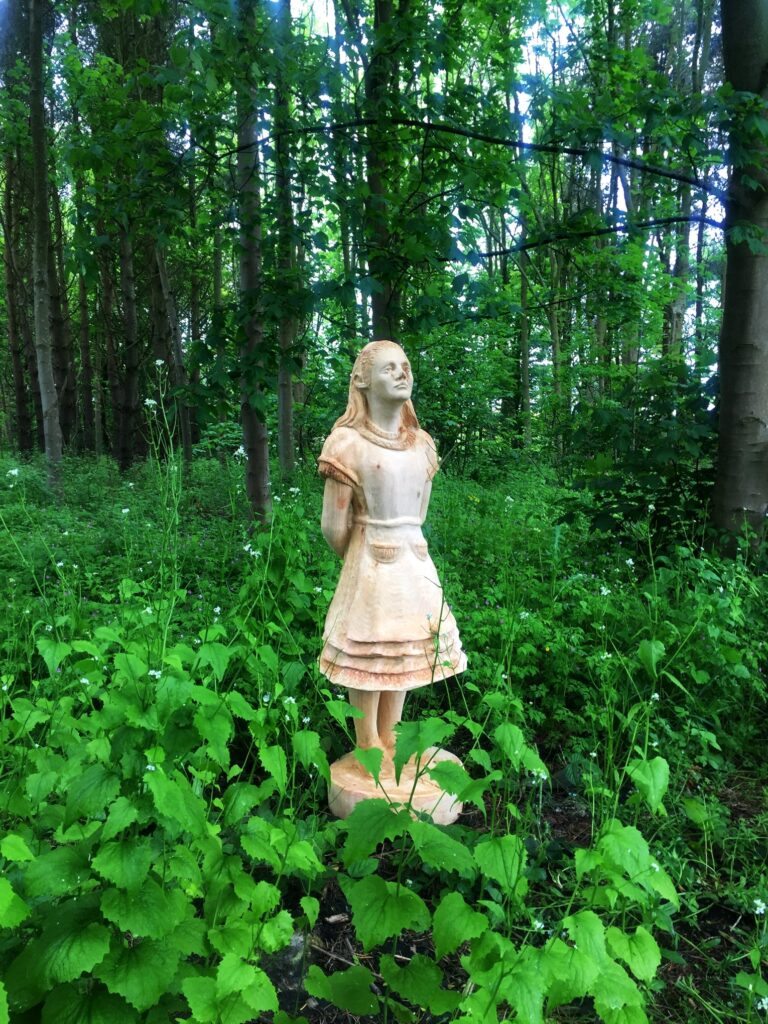
Overall, Tommy Craggs continues to stand out in the world of chainsaw carving because he merges technical skill with natural storytelling. His pieces carry the weight of the wood’s own history while still feeling fresh and full of movement. Through thoughtful placement, careful craftsmanship and a strong connection to the landscapes that raised him, his sculptures offer more than visual appeal. They show how something fallen can rise again in a new and striking form, shaped by both human hands and the living character of the tree itself.
Reply