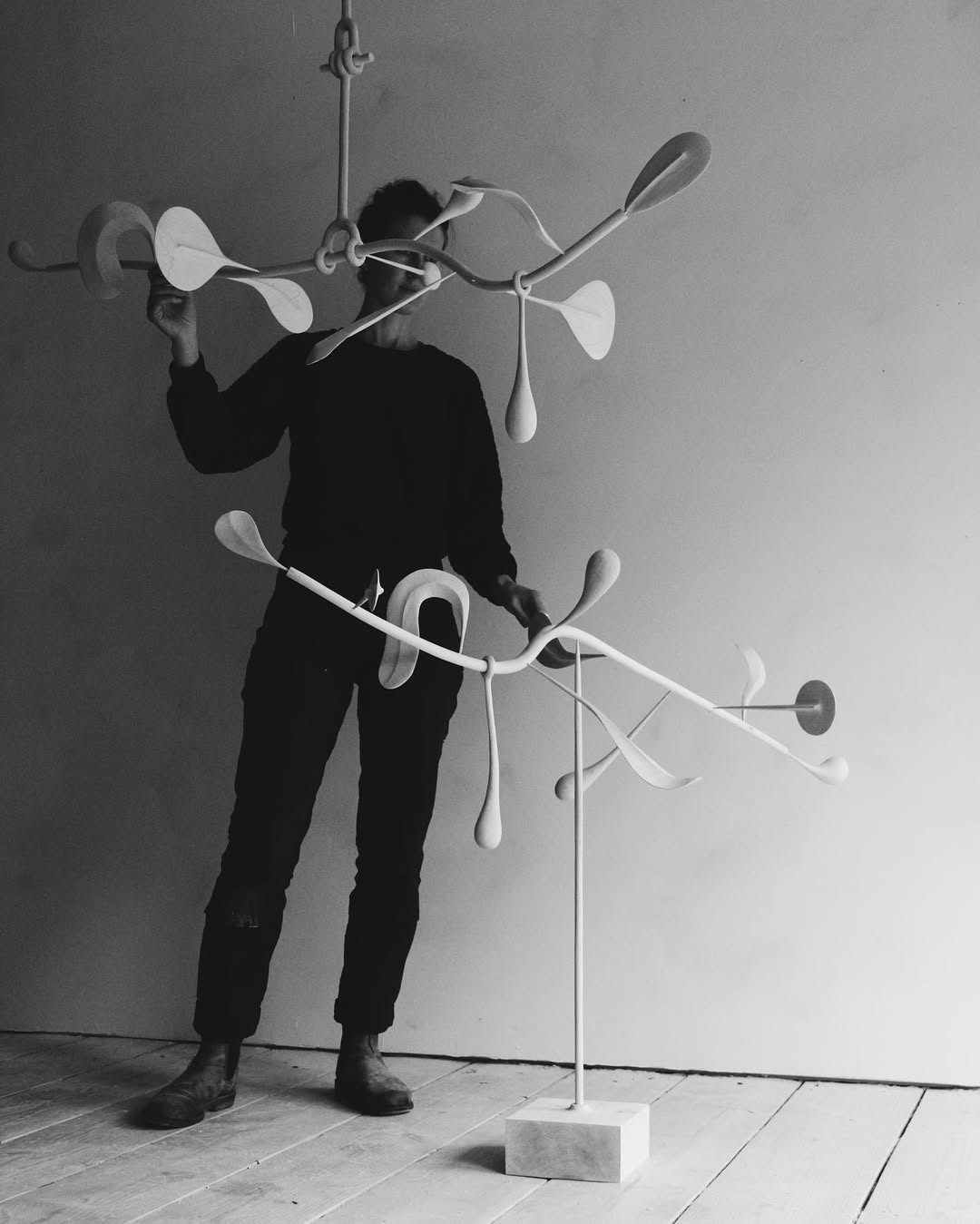
Ariele Alasko has become recognizable name in contemporary craft, yet she did not arrive there through traditional woodworking paths. Her rise began in Brooklyn, where she started by renovating her own apartment and building furniture from reclaimed lumber. What looked like a small, practical project quickly unfolded into a clear creative direction. She discovered a strong connection to repetitive handwork, careful pattern building, and the tactile qualities of wood. Over time, those instincts shaped a distinctive style that stands apart from typical carpentry or furniture design.
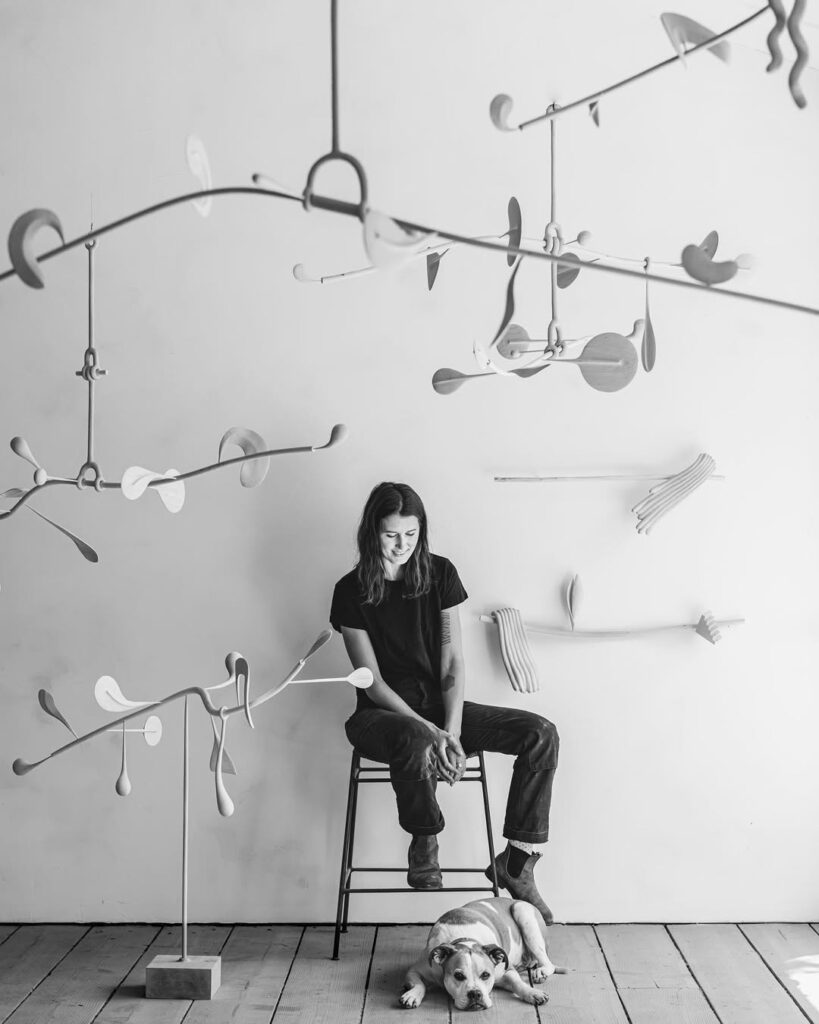
Although she first gained attention for sculptural furniture, Alasko later shifted toward smaller wooden objects that allowed her to explore form, rhythm, and surface detail more deeply. This move was deliberate. Furniture demands structural precision and heavy materials. The small format, on the other hand, opened the door to a different kind of discipline. She could refine ideas quickly, push pattern language in new directions, and lean into slow, meditative craftsmanship without the physical demands of large builds.

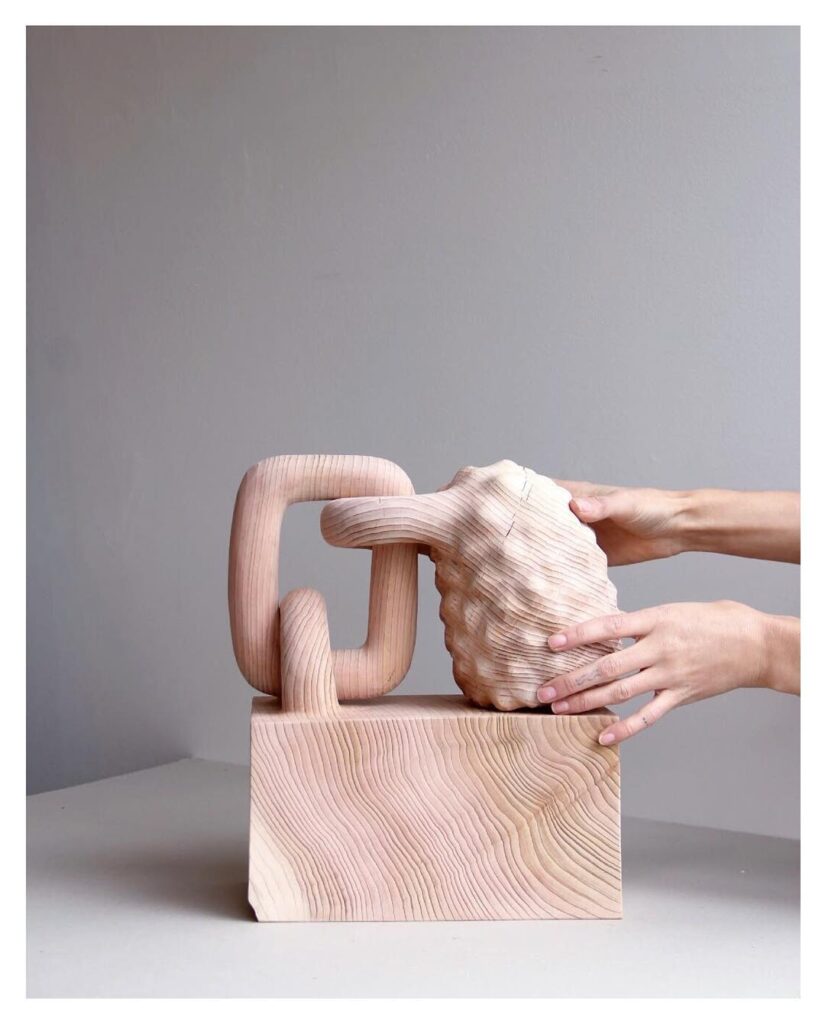
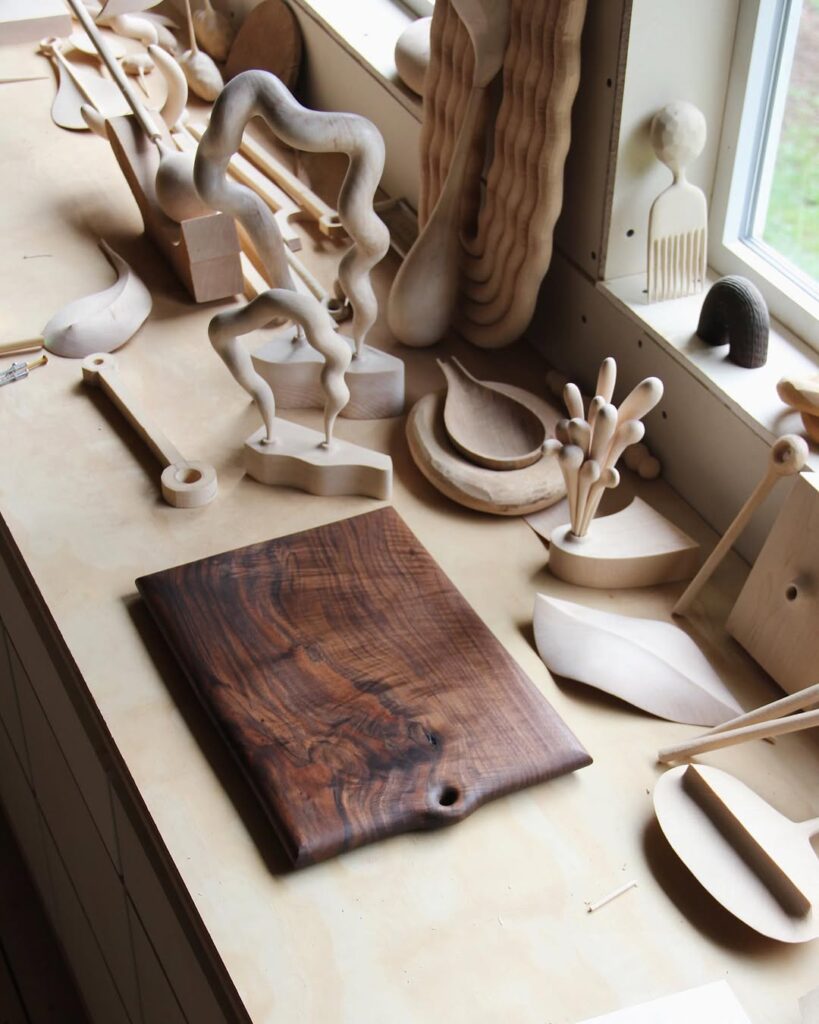
Alasko Ariele’s signature work today revolves around carved spoons, bowls, wall pieces, and geometric handheld sculptures. At first glance, these objects might seem simple, but the closer you look, the more they reveal. She often works with straight chisels rather than curved carving tools, which gives her pieces crisp lines and strong graphic edges. Each cut becomes part of a wider pattern. Some pieces echo weaving traditions. Others feel closer to architectural ornament. Many show a fascination with repetition, where slight variations in each stroke create subtle textures that catch the light.
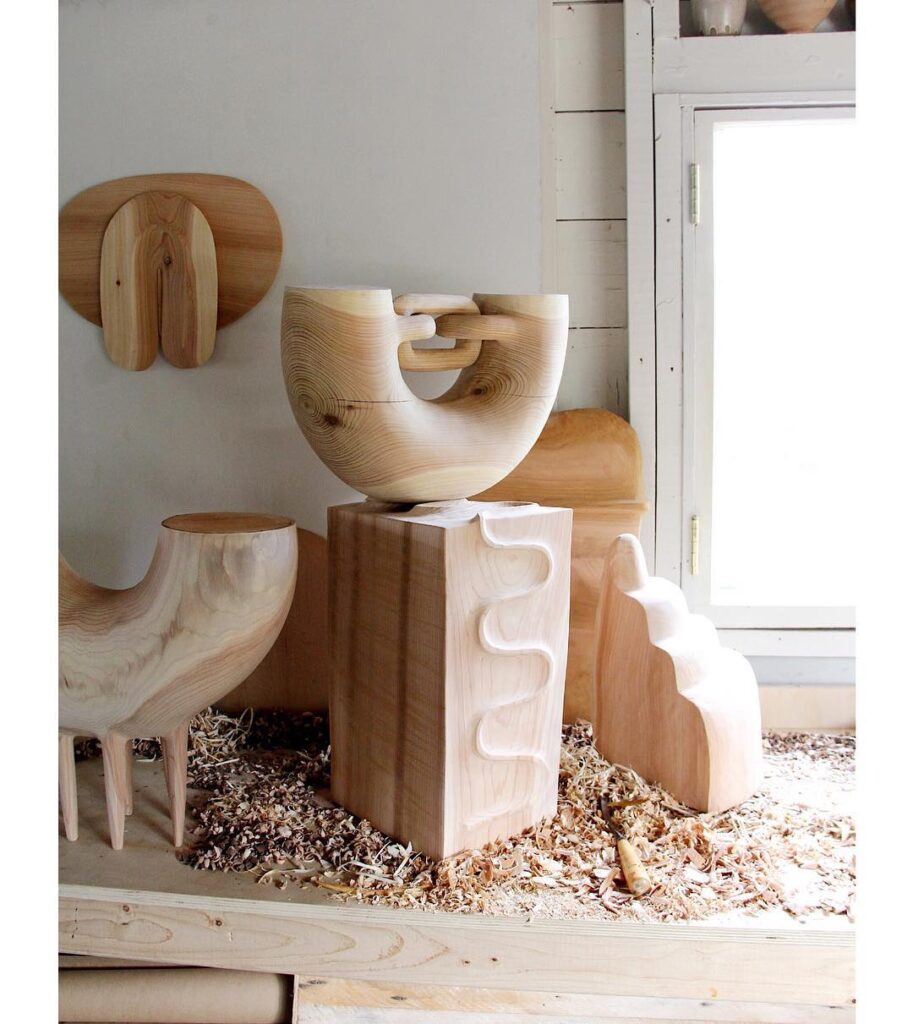
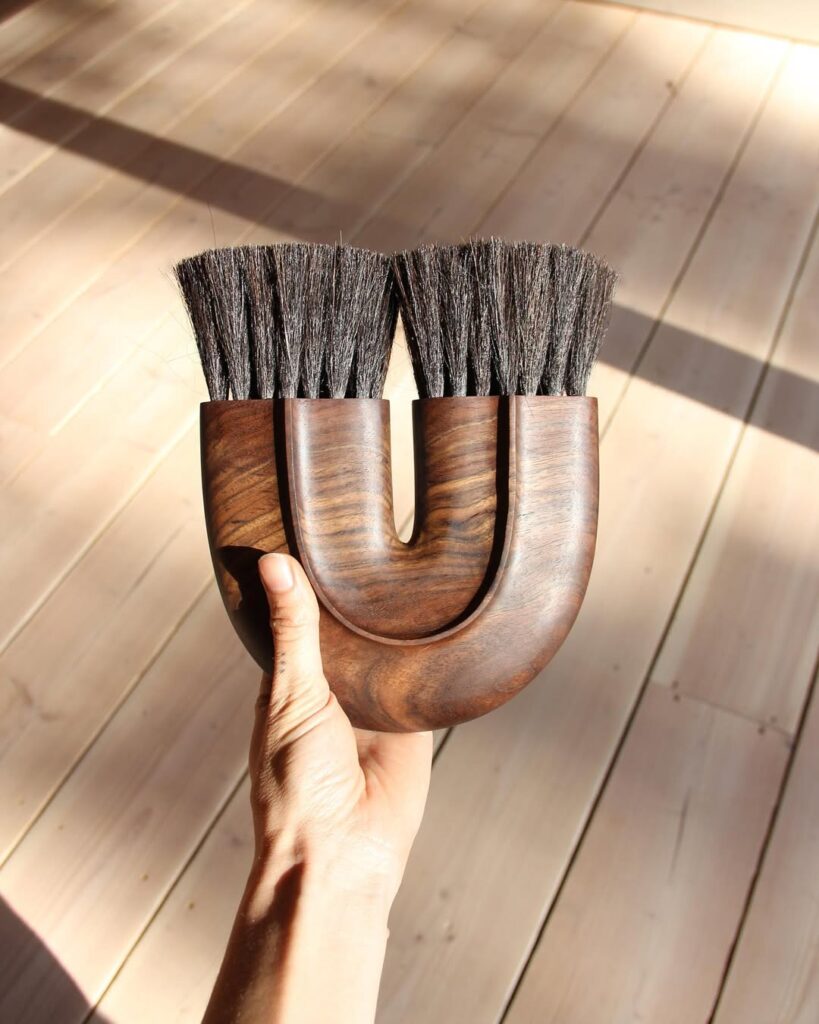
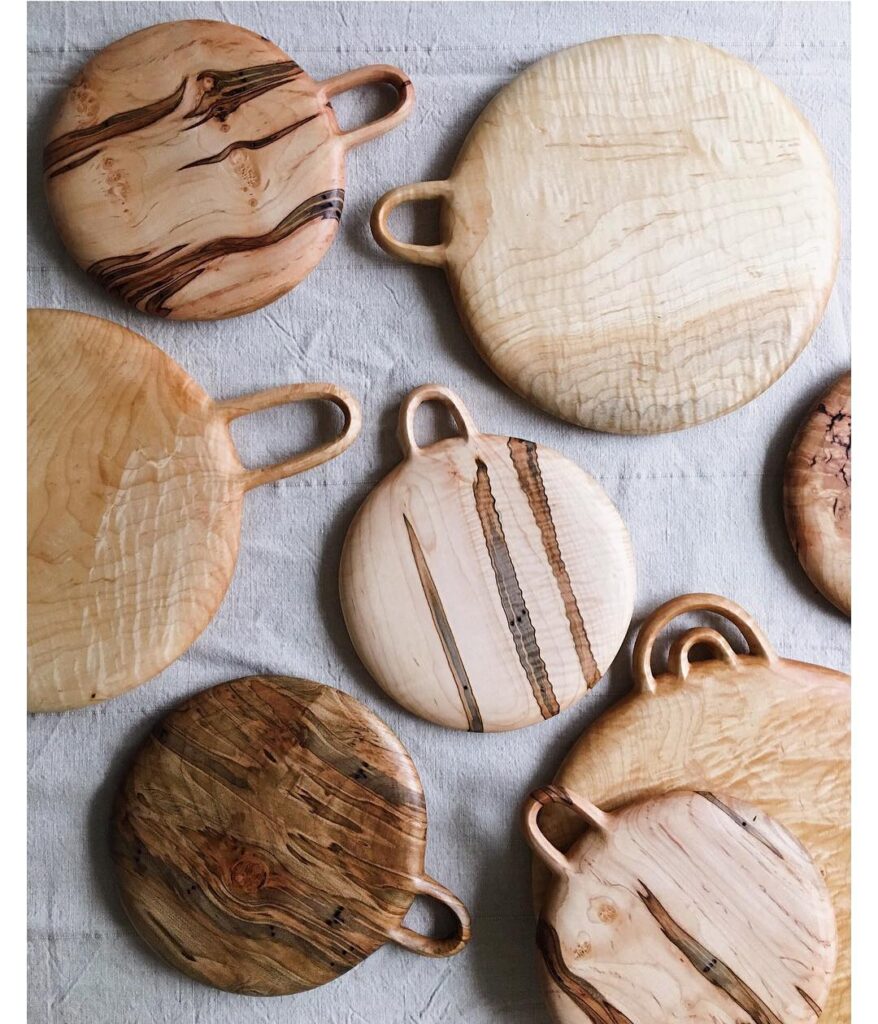
Material choice plays a major role in her process. She works with hardwoods like maple, walnut, and cherry because they hold fine detail. She also pays attention to grain direction, which allows her patterns to flow smoothly across a surface. Even when she uses scrap or offcuts, nothing feels improvised. She has an ability to make a small block of wood look like it was always meant to become a refined object. The control she has developed over years of carving gives her work a calm, deliberate quality.
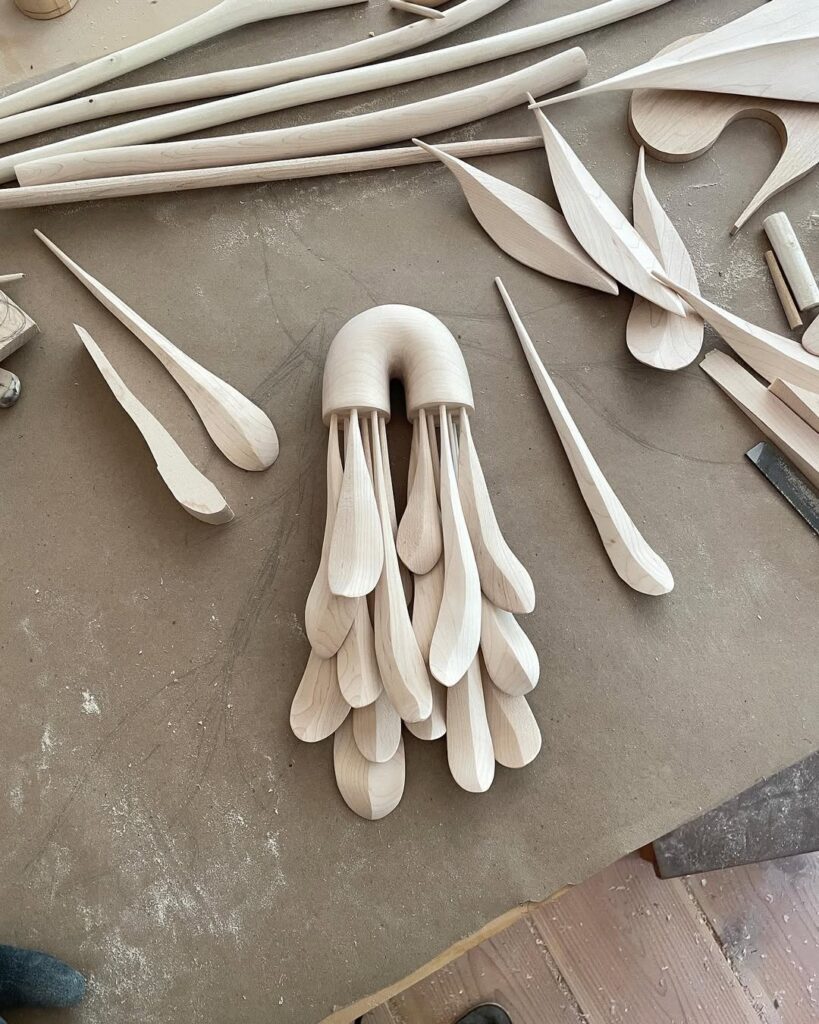
Her color palette is another notable element. Instead of relying on bright stains or paint, she usually keeps finishes natural. Soft oils and waxes bring out the warmth of the grain without overshadowing the pattern work. The result is a restrained, almost quiet aesthetic. It sits comfortably between art object and domestic tool. Her spoons, for instance, often blur the line between sculpture and utility. They look functional, yet their surface detailing turns them into display pieces.
Alasko’s online presence also helped shape how her work is received. She documented her process early on, sharing both successes and mistakes. This transparency allowed people to follow her evolution from reclaimed furniture builder to pattern-focused sculptor. It also set a tone for the larger handmade movement that grew around the same time. Many makers credit her with helping them take small craft seriously, showing that careful handwork could be valued on its own rather than treated as a side hobby.

One of the consistent threads through her career is discipline. She carves almost every day, often repeating the same techniques until they become instinctive. This repetition is part of her visual language. You can see it in the way she builds dense surface patterns that rely on hundreds of nearly identical cuts. This method, while simple in concept, requires patience and fine control. It also gives her work its unmistakable identity.
Today, Alasko’s pieces are collected worldwide. They appear in private homes, galleries, and design publications. Even though her objects are small, they carry a strong presence. They showcase how much expression can come from limited tools, restrained materials, and a steady hand. In an era filled with automated production and digital shortcuts, her work stands as a reminder that tactile craft still carries weight. The slow, thoughtful pace behind each carved pattern is exactly what gives her woodwork its character. Her career proves that a focused style, even when built from simple forms, can leave a lasting mark.
Reply