Who is Efraïm Rodríguez
Efraïm Rodríguez (often credited as Efraïm Rodríguez Cobos) is a Spanish sculptor known for figurative wood works that sit between realism and playful disruption. He was born in Valencia in 1971 and has lived in Granollers, near Barcelona, since 1977.
Rodríguez studied Fine Arts at the University of Barcelona and graduated in 1999. He has also taught sculpture there, linking his studio practice to an academic environment that values process and material research.
A figurative language built from wood
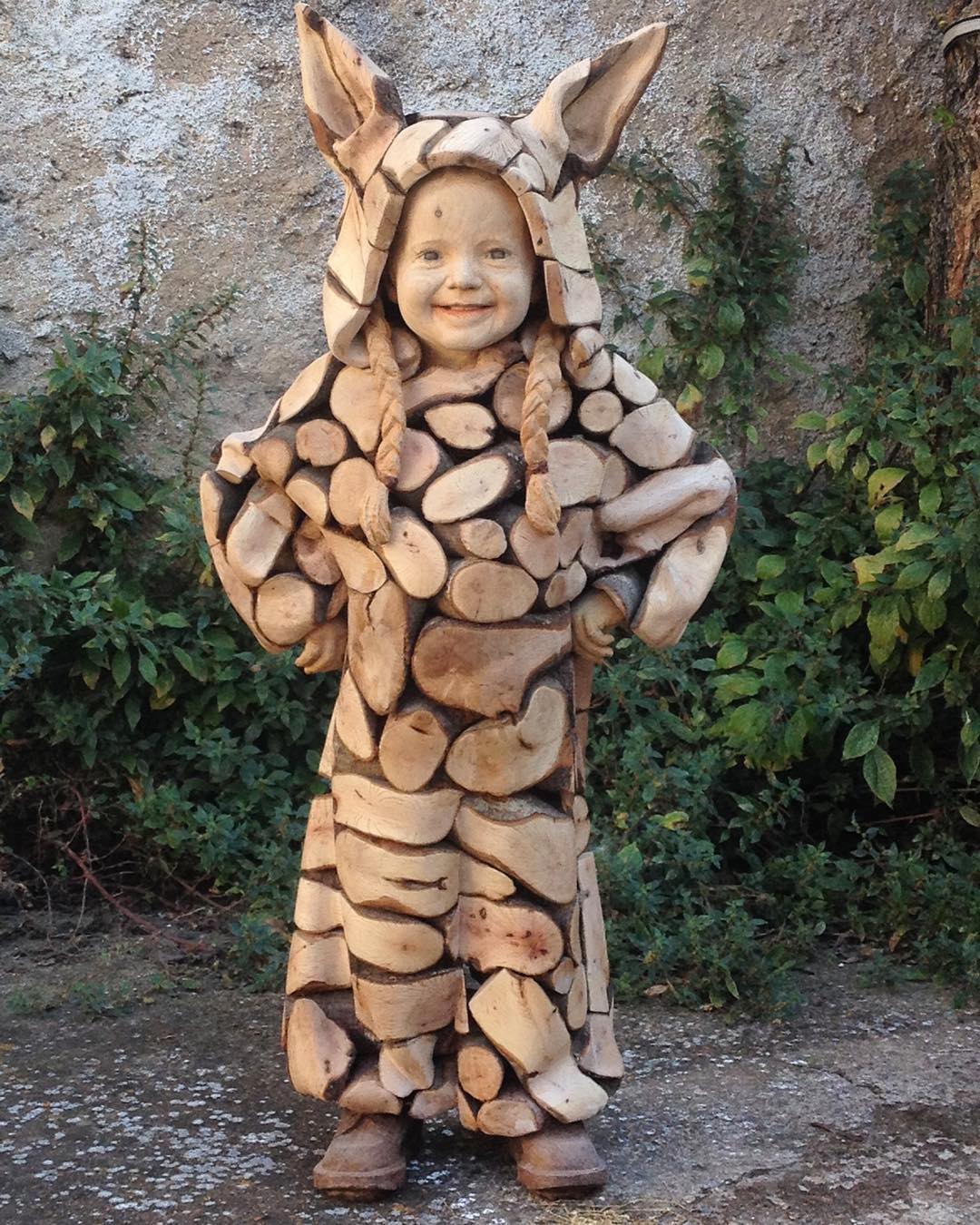
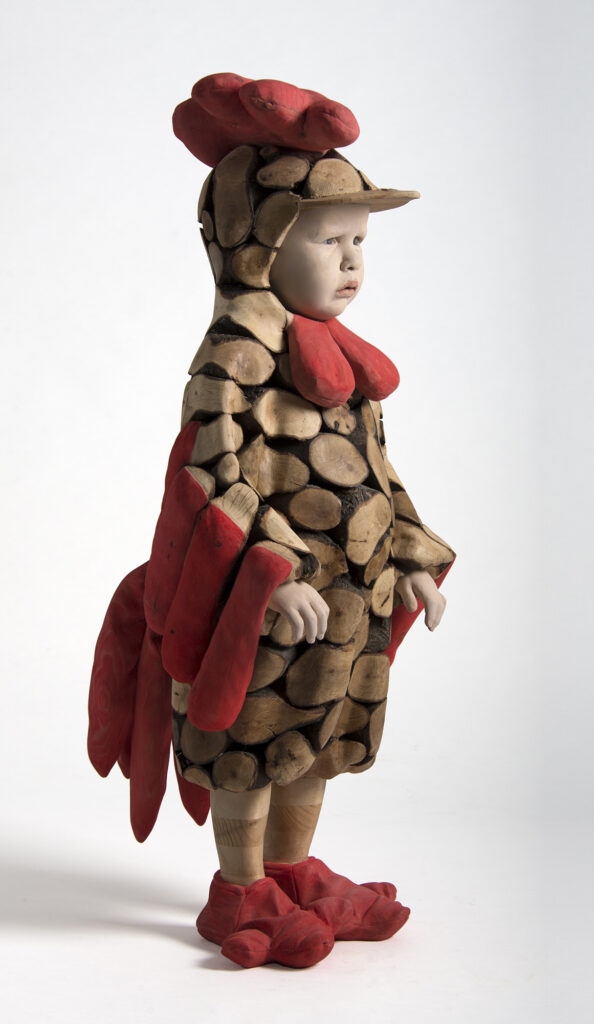
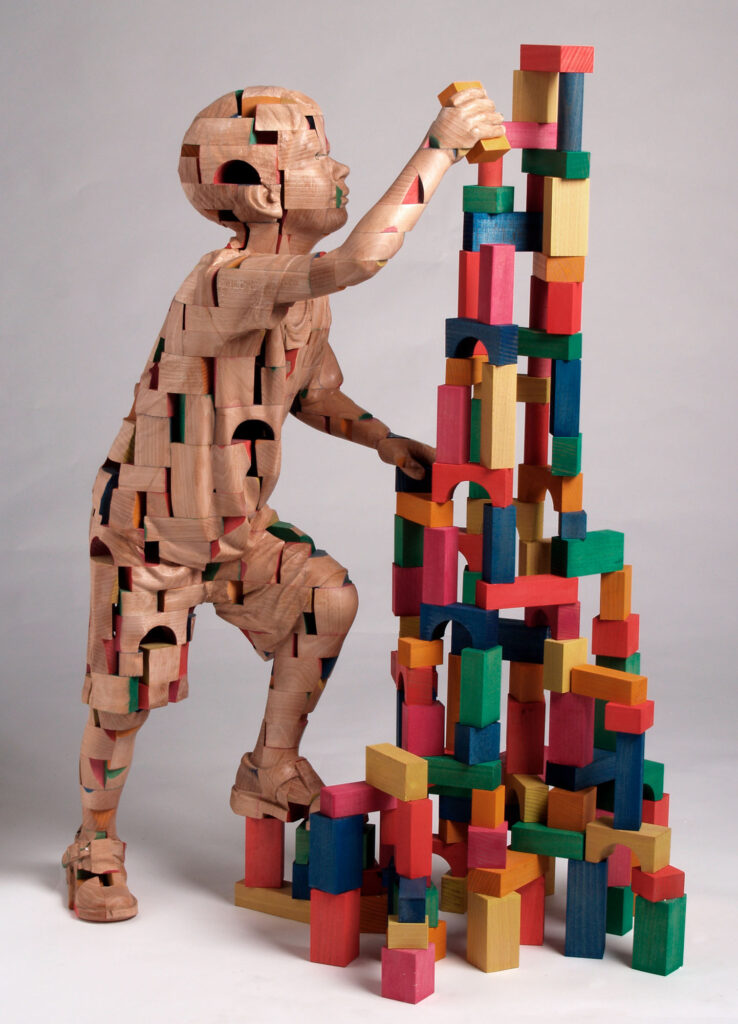
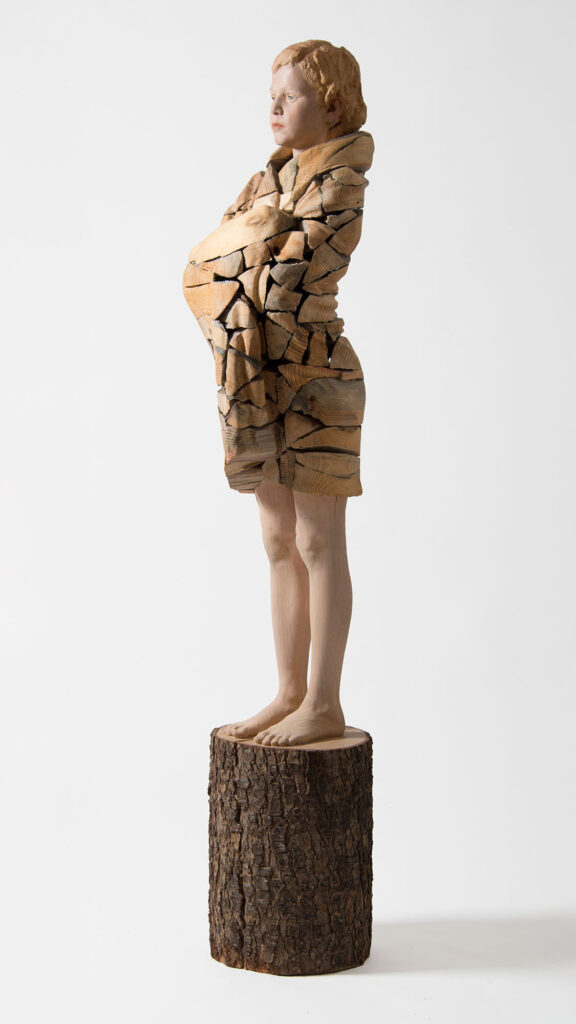
Rodríguez’s sculptures often present life-size children or youthful figures paused mid-gesture. The faces and hands are carefully observed, but the bodies may be assembled from cut sections, blocks, and laminated planes. This construction is not hidden – it is part of the point.
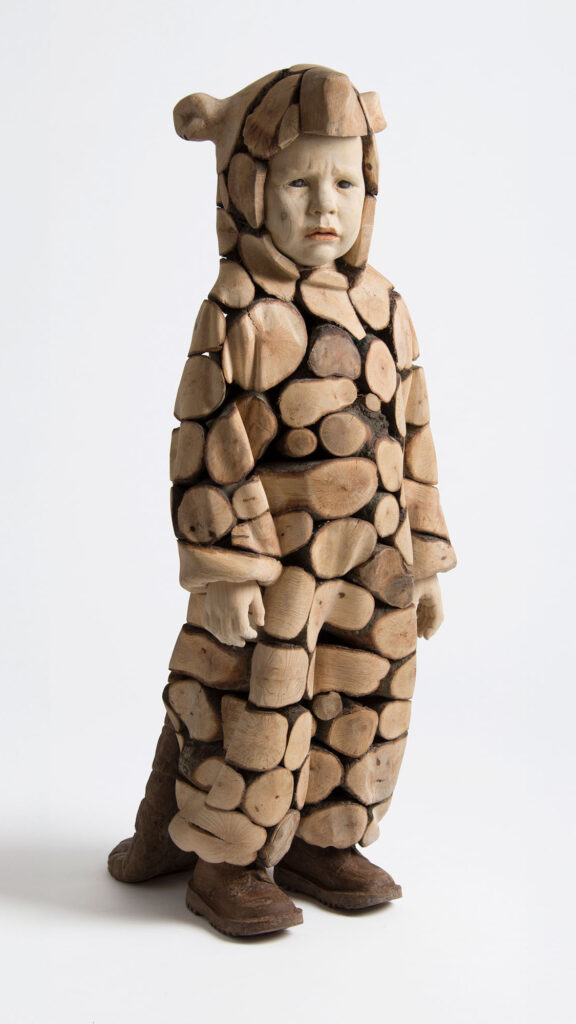
A recurring theme is childhood, but not as nostalgia. It is used as a framework for testing identity, imitation, and how people learn through making. In many works, the figure appears both as a character and as a structure being assembled, which gives the sculptures a quiet conceptual bite.
Materials that keep their past life
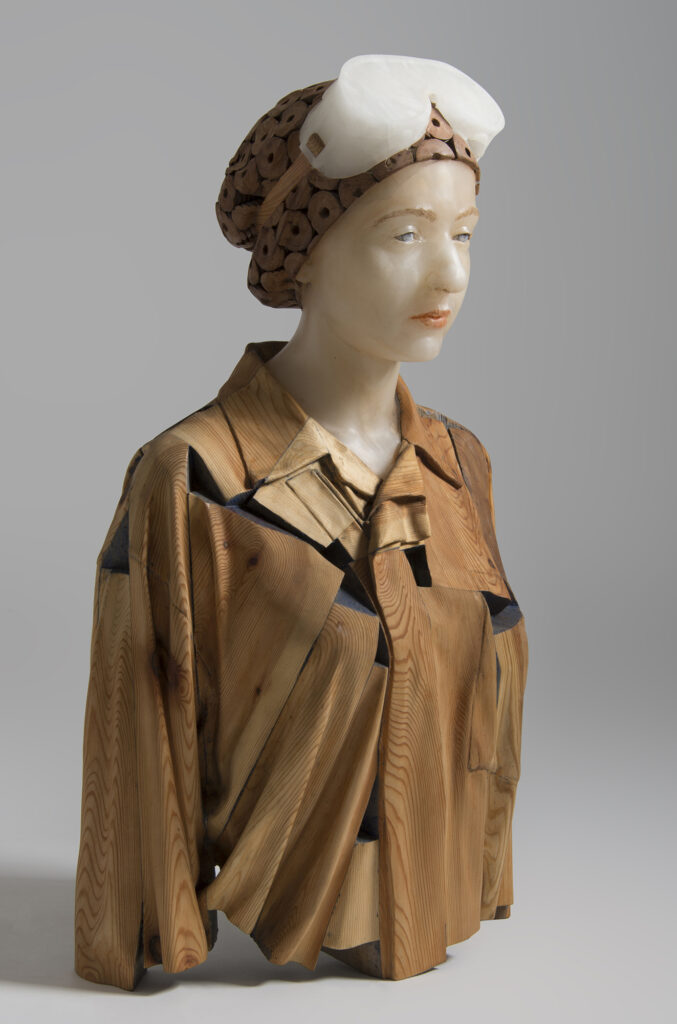
One of the most distinctive aspects of Rodríguez’s practice is his relationship with material history. He often carves and constructs using fallen trees, planks, and even old furniture, letting prior use and visible grain remain legible instead of sanding everything into a perfect, anonymous surface.
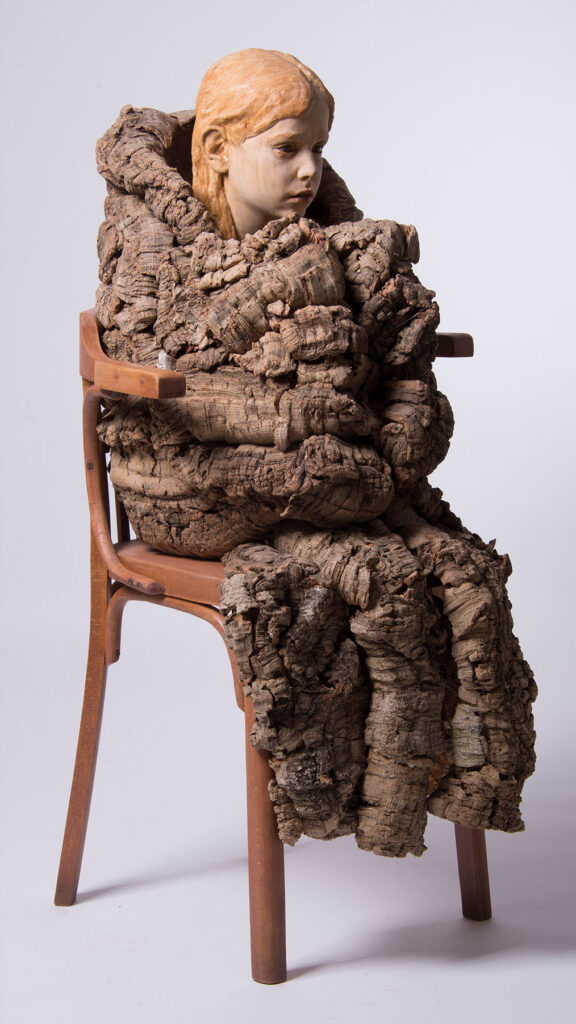
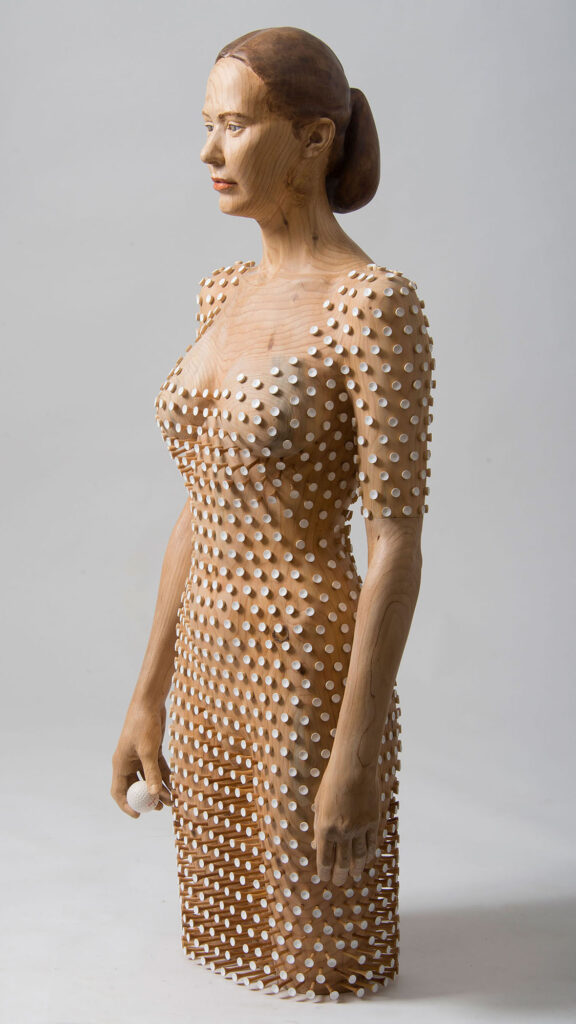
This approach supports an aesthetic that feels both crafted and slightly unsettled. Realistic anatomy can sit next to veneer-like clothing, segmented surfaces, or inserted geometric voids. The result is a figure that reads as human, yet also clearly “built,” like a toy that became a person.
Key works and series
A well-known example is Small Architect (2006), a sculpture depicting a child building with classic wooden blocks. The subject and the stacked forms echo each other: the child as builder, and the body itself as an assembly.
In other projects, Rodríguez expands beyond pure wood. Some pieces combine different wood species with contrasting materials such as glass, rubber, cork, or iron. These pairings sharpen the tension between softness in expression and a more engineered, constructed logic in the object.
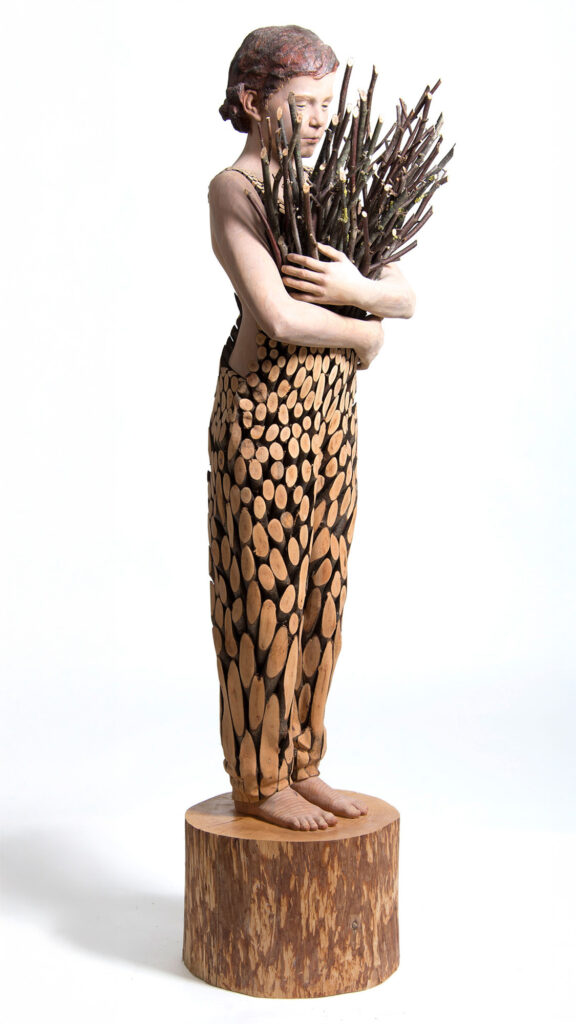
Across his figurative line, humor often appears in small ways: a slightly exaggerated stance, a surprising insert, or a “too perfect” moment that tips into uncanny. That is where his work becomes most recognizable – realistic enough to trigger empathy, but structured enough to remind you it is an object with decisions, seams, and limits.
Teaching, visibility, and reputation
Rodríguez’s profile is tied closely to teaching and public presence. Alongside exhibitions and gallery presentations, he has also shared parts of his process through structured instruction, which matches the analytical, step-by-step feeling in his sculpture.
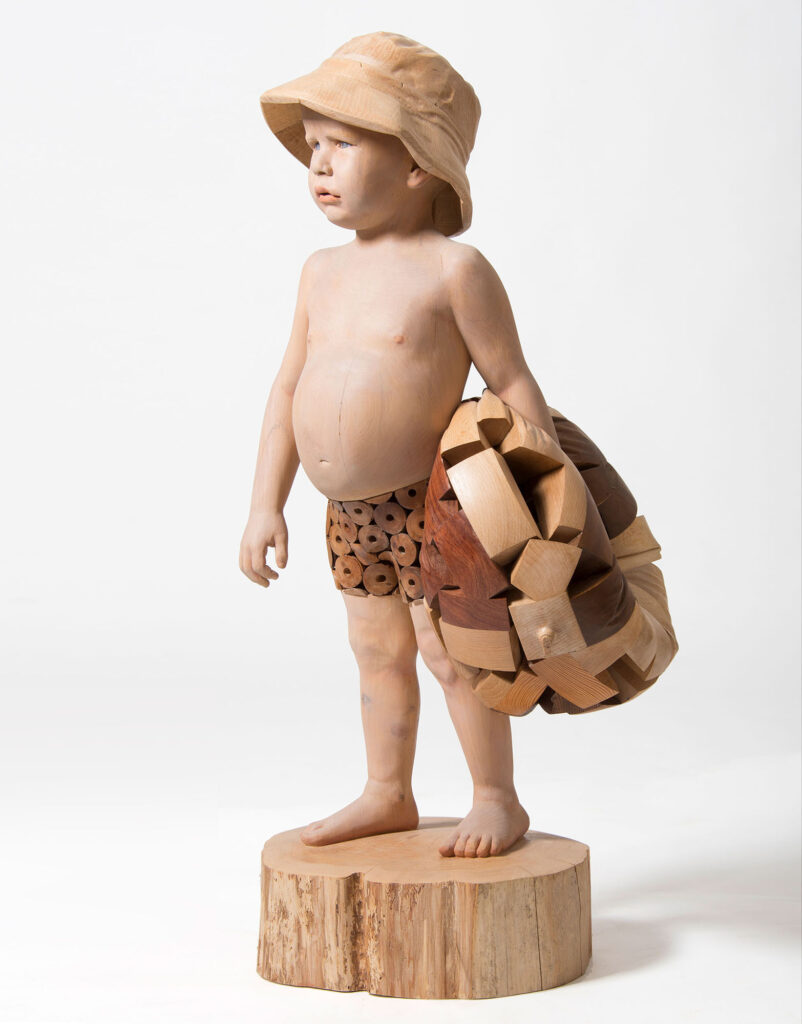
What ultimately separates Rodríguez from straightforward realism is that he never lets craft disappear. He keeps the construction readable, so the viewer is always aware of time: time in the wood’s former life, and time spent turning it into a figure that feels intimate, precise, and slightly uncanny.
Reply