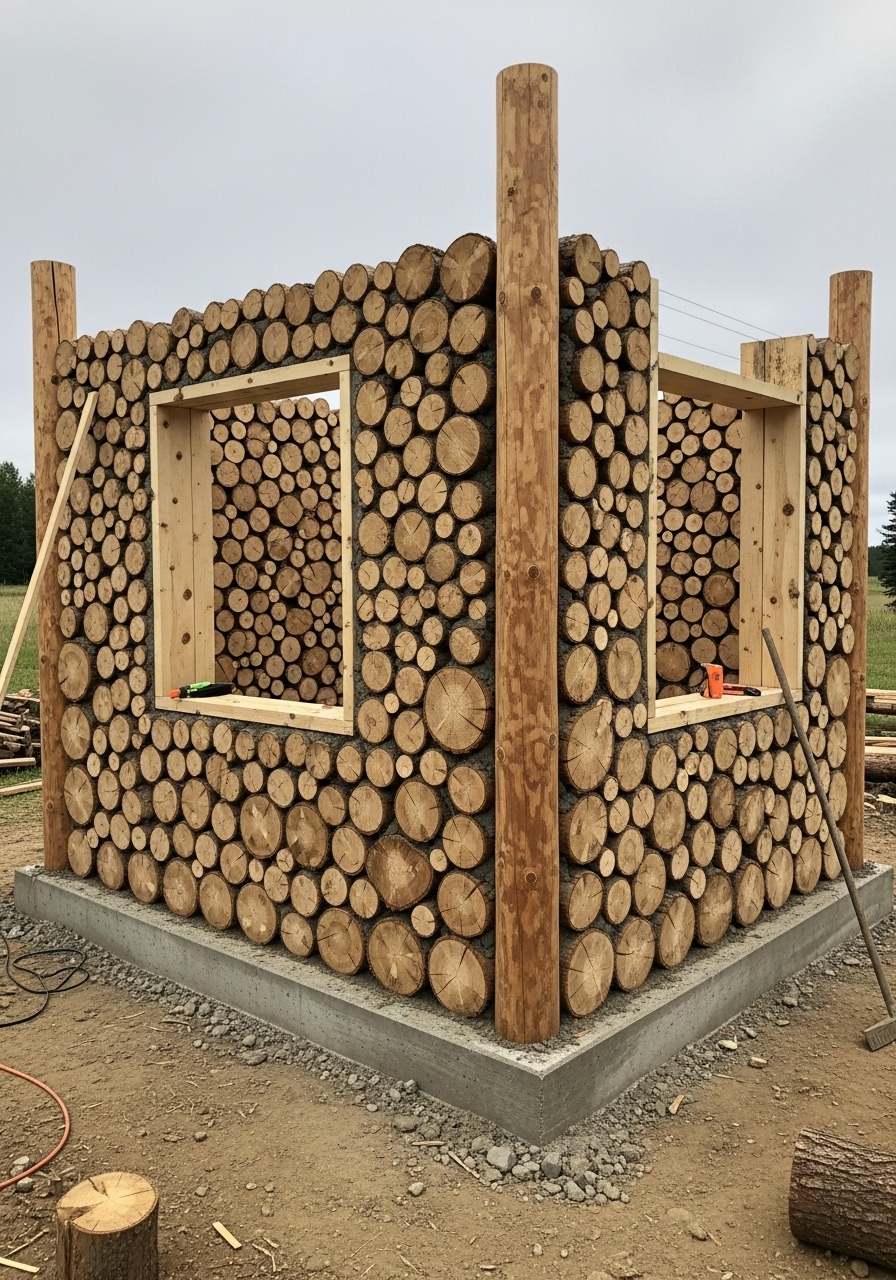
Cordwood construction is a building method where short lengths of wood are laid crosswise in a wall, with the cut ends visible on both faces. The logs act like masonry units. They are bedded in mortar, and the wall is built up course by course. The finished look is distinctive – a patterned “stack” of roundwood ends that reads as both structure and surface.
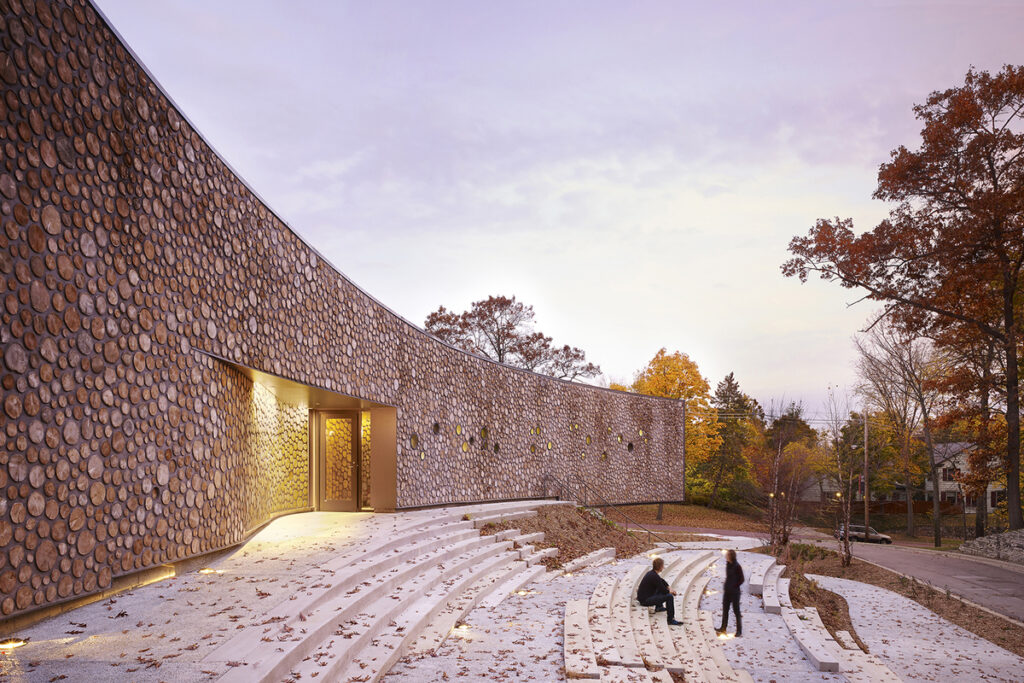
The technique has deep roots in cold-climate regions where small-diameter timber was plentiful and conventional lumber was expensive. It has never been a mainstream system, but it keeps resurfacing because it can use local materials, wastes very little, and produces thick, quiet walls with a lot of visual character.
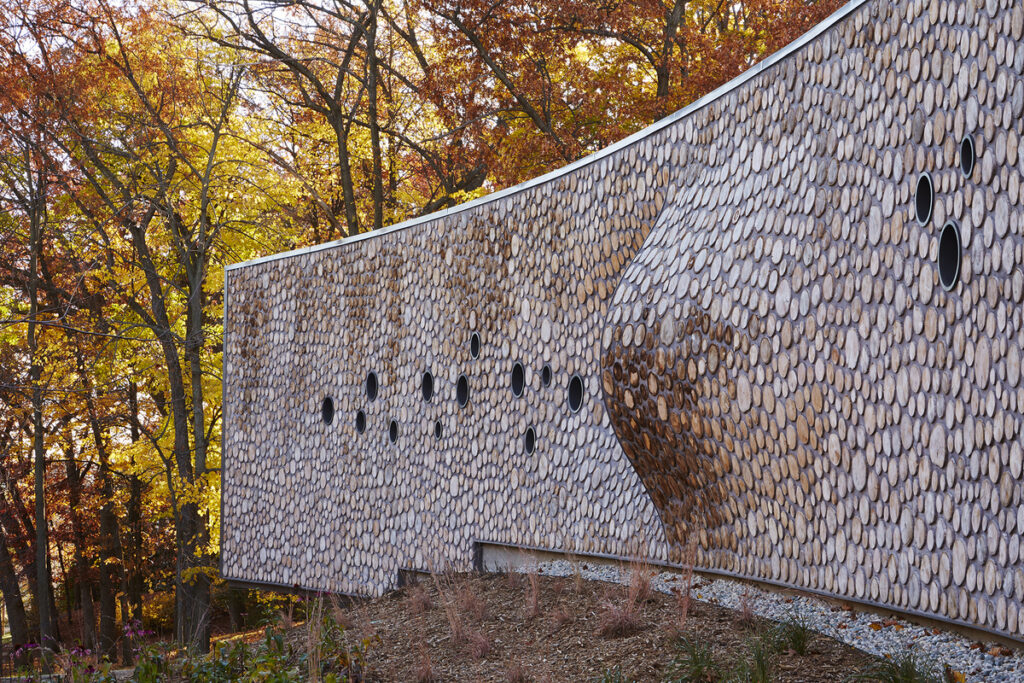
A cordwood wall is typically built from pieces 30-60 cm long, depending on the desired wall thickness and insulation strategy. The wood is usually debarked and seasoned so shrinkage happens before it is locked into mortar. Species choice matters. Durable woods with lower checking and rot risk tend to perform better, while very wet or resin-heavy pieces can create bonding and moisture issues.
Structurally, cordwood buildings are commonly made in one of two ways. In a post-and-beam approach, the timber frame carries roof and floor loads, and cordwood functions as an infill wall. This keeps the wall out of the primary load path and can make engineering and permitting easier. In load-bearing versions, the cordwood wall itself supports the roof, which puts more demand on mortar quality, wall uniformity, and detailing.
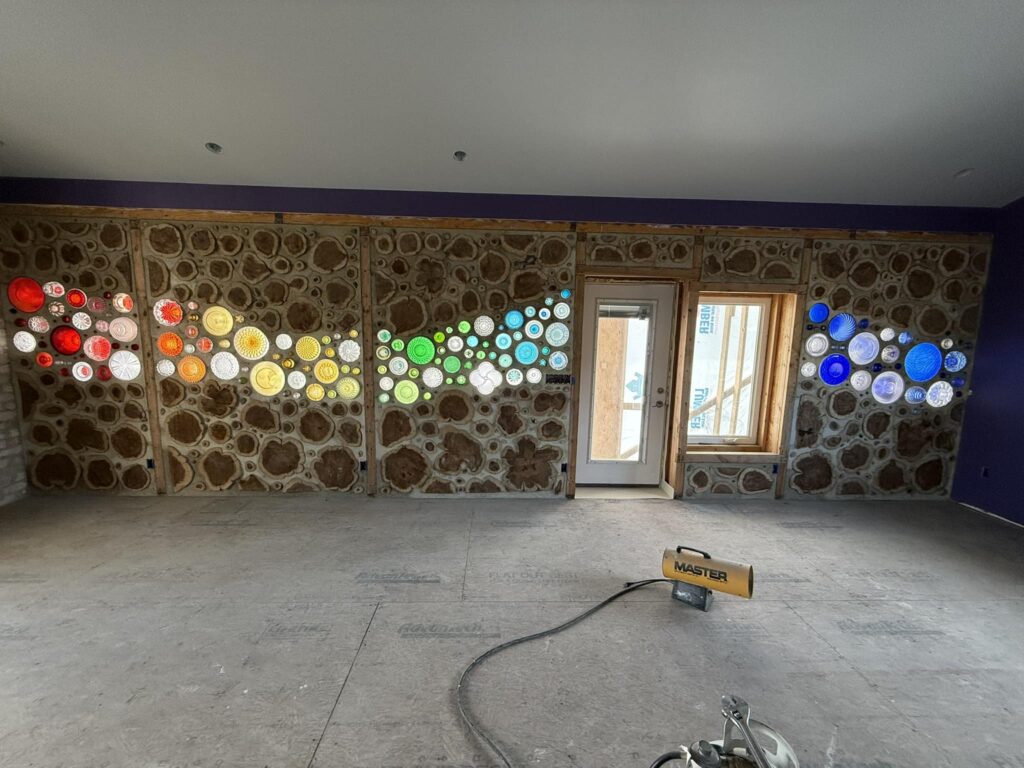
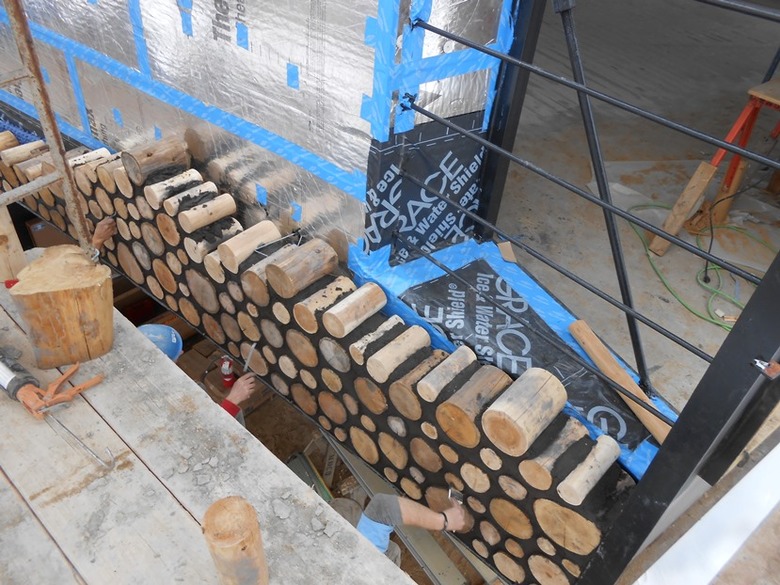
The mortar is the heart of the system. It must bind, resist weathering, and handle freeze-thaw movement. Traditional mixes are often lime-based, sometimes blended with cement, and adjusted with sand for workability and strength. Many builds use a “two-bead” approach: mortar near the inner and outer faces, with an insulated core between them. That core can be sawdust-lime, perlite, mineral wool, or other fill materials. The goal is to reduce thermal bridging through the mortar and keep the wall from behaving like a cold mass in winter climates.
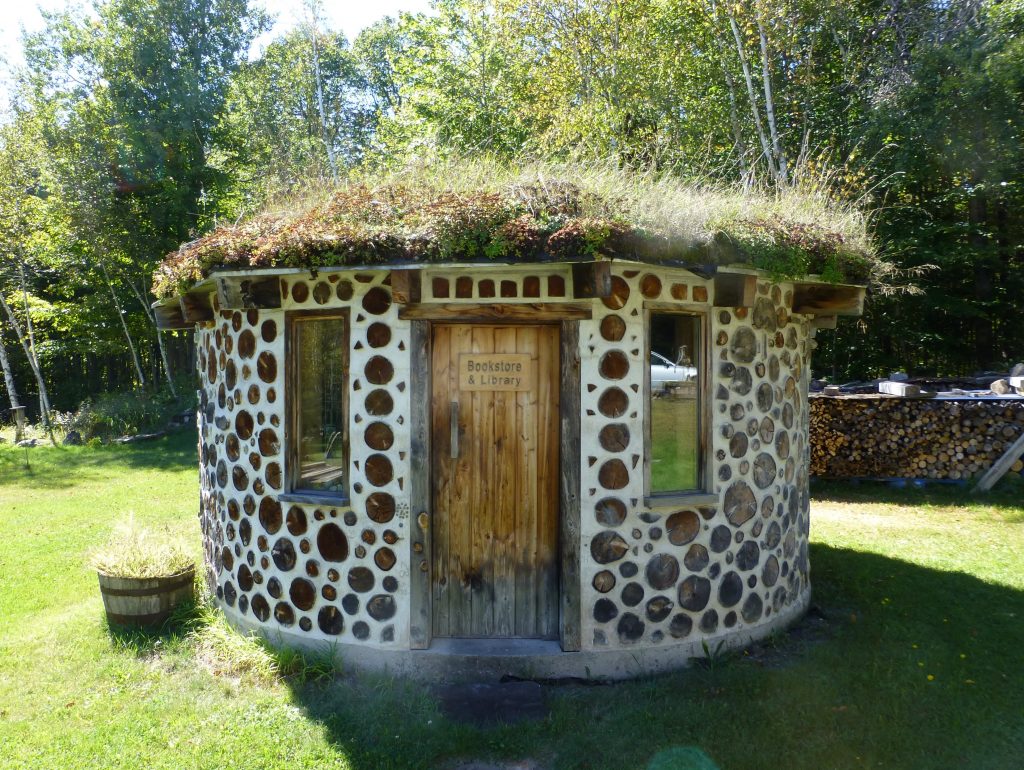
Moisture management decides whether cordwood lasts decades or becomes a repair project. The end grain that makes cordwood so beautiful is also thirsty. Good designs start with a high, well-drained foundation, generous roof overhangs, and careful flashing around openings. Breathable exterior finishes are often favored so incidental moisture can escape rather than being trapped behind a hard, sealed coating.
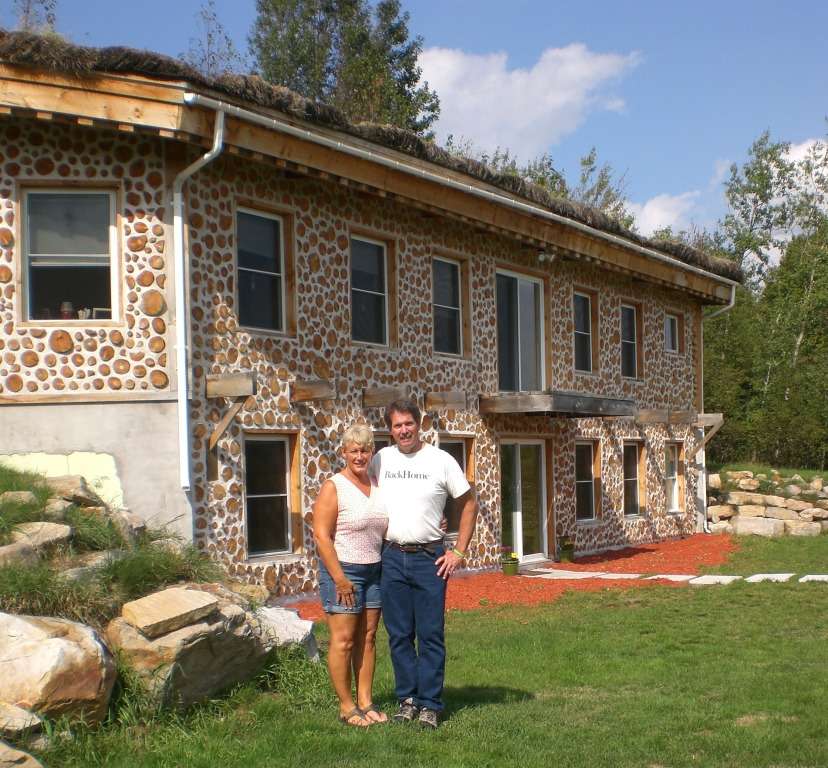
Cordwood’s advantages are clear. It can use offcuts, thinnings, and storm-fallen timber. It produces thick walls that feel solid and dampen sound. The aesthetic is hard to fake. The downsides are just as real. It is labor-intensive. Drying and storing wood takes time and space. Detailing around windows, doors, and corners requires patience. Building codes may not explicitly cover it, so approval can depend on local officials and an engineer’s willingness to document performance.
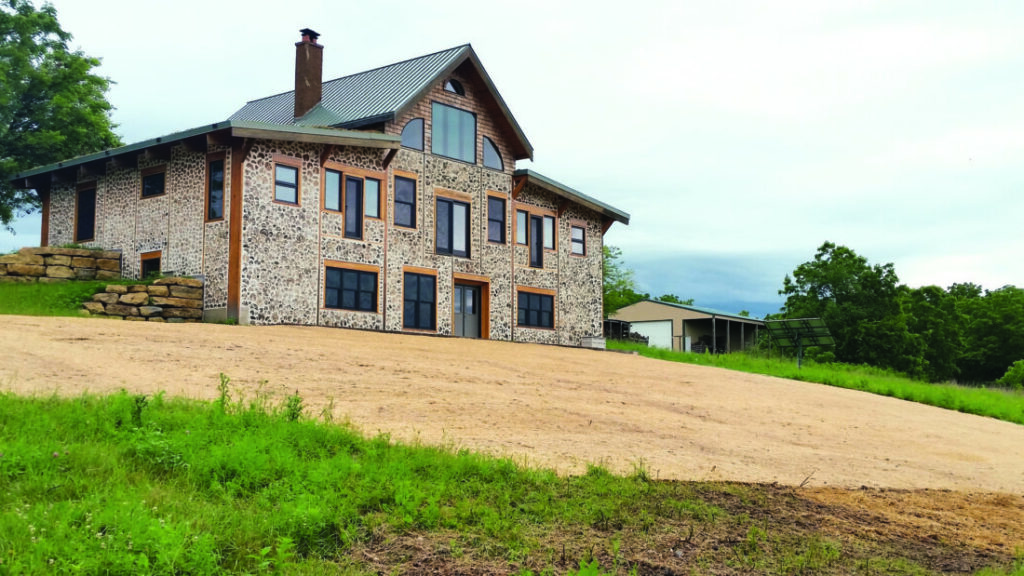
Today, cordwood is most often seen in small cabins, studios, workshops, and hybrid homes where a conventional frame is paired with cordwood infill. Done well, it is a practical way to turn modest wood into real architecture, with a finish that celebrates the material instead of hiding it.
Reply