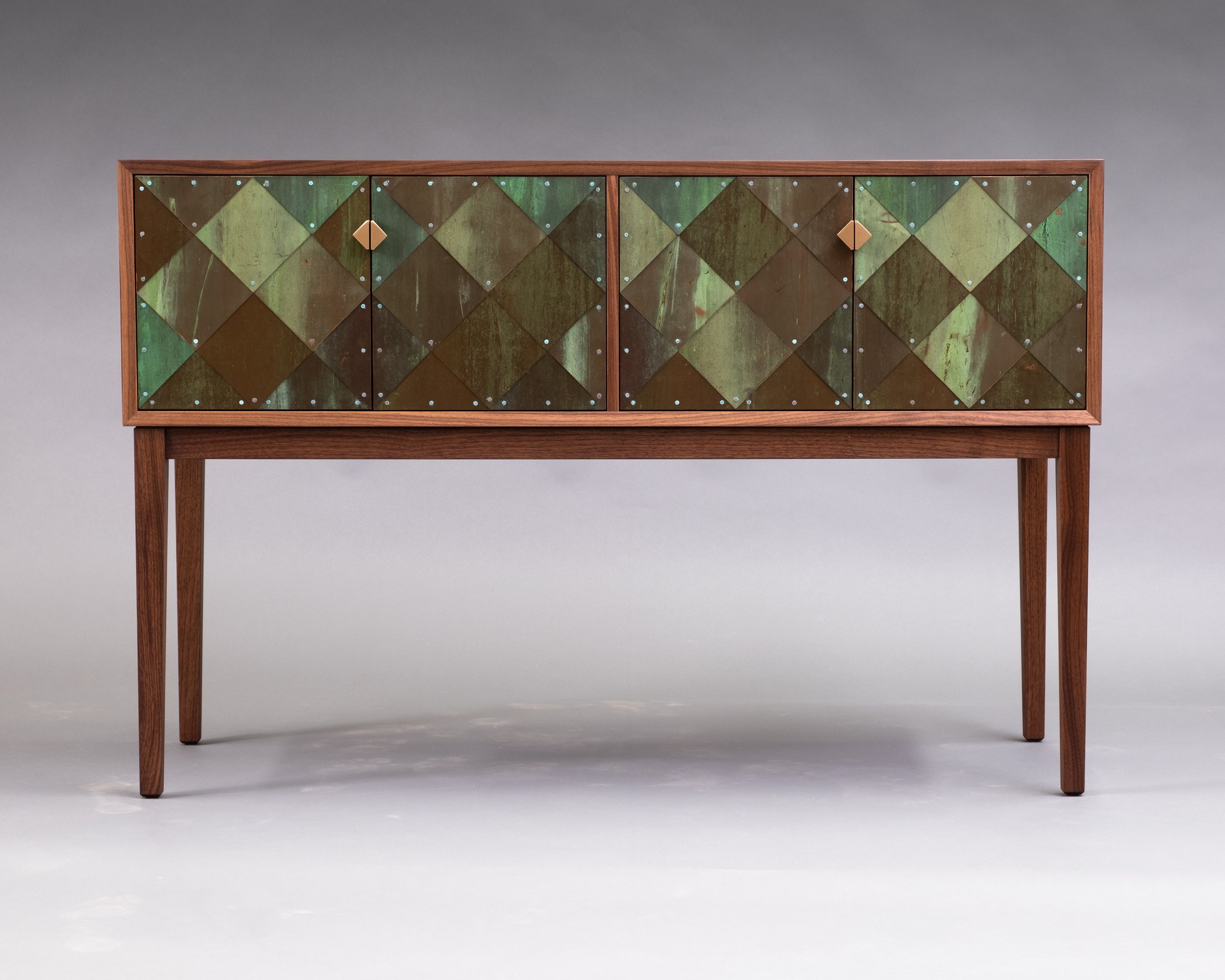
Christopher Solar is an Ottawa-based designer-maker whose work sits in that sweet spot between clean modern furniture and the kind of craftsmanship that rewards a closer look. Through Christopher Solar Design, he produces made-to-order pieces alongside one-off commissions, building everything by hand in his Ottawa studio.
Solar’s route into furniture was not the typical apprenticeship-to-workshop pipeline. He started woodworking while working in tech, and later left a software design role in the telecom industry to pursue making full time. Early on, he sought formal grounding through courses at Rosewood Studios, then continued building his skills through years of hands-on practice and self-directed design work.
That background still shows up, not as gimmickry, but as method. In a 2016 interview, Solar described designing his pieces in 3D on a computer from early mockups through to final decisions, then using CNC for practical support work like patterns and templates rather than pushing the fabrication itself into automation. He is running a small operation, a sole proprietor who has at times brought in a co-op student and shared workspace with other makers, which fits the studio-scale feel of his output.
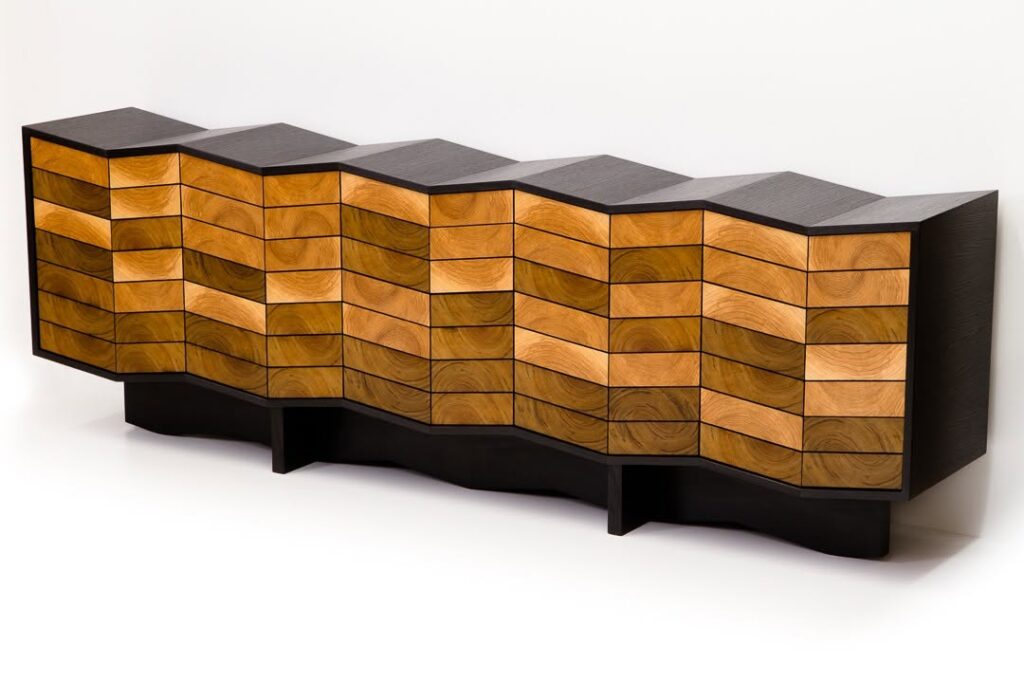
What makes the work memorable is how it balances restraint with personality. One profile summed up his look as “restrained exuberance,” a phrase that lands because his forms read as calm at first glance, then reveal subtle curves, crisp transitions, and quietly playful details. In the same piece, Solar framed furniture as both sculptural and problem-solving, the “left- and right-brain” collision that keeps a chair from becoming a gallery object and keeps a cabinet from becoming a plain box.
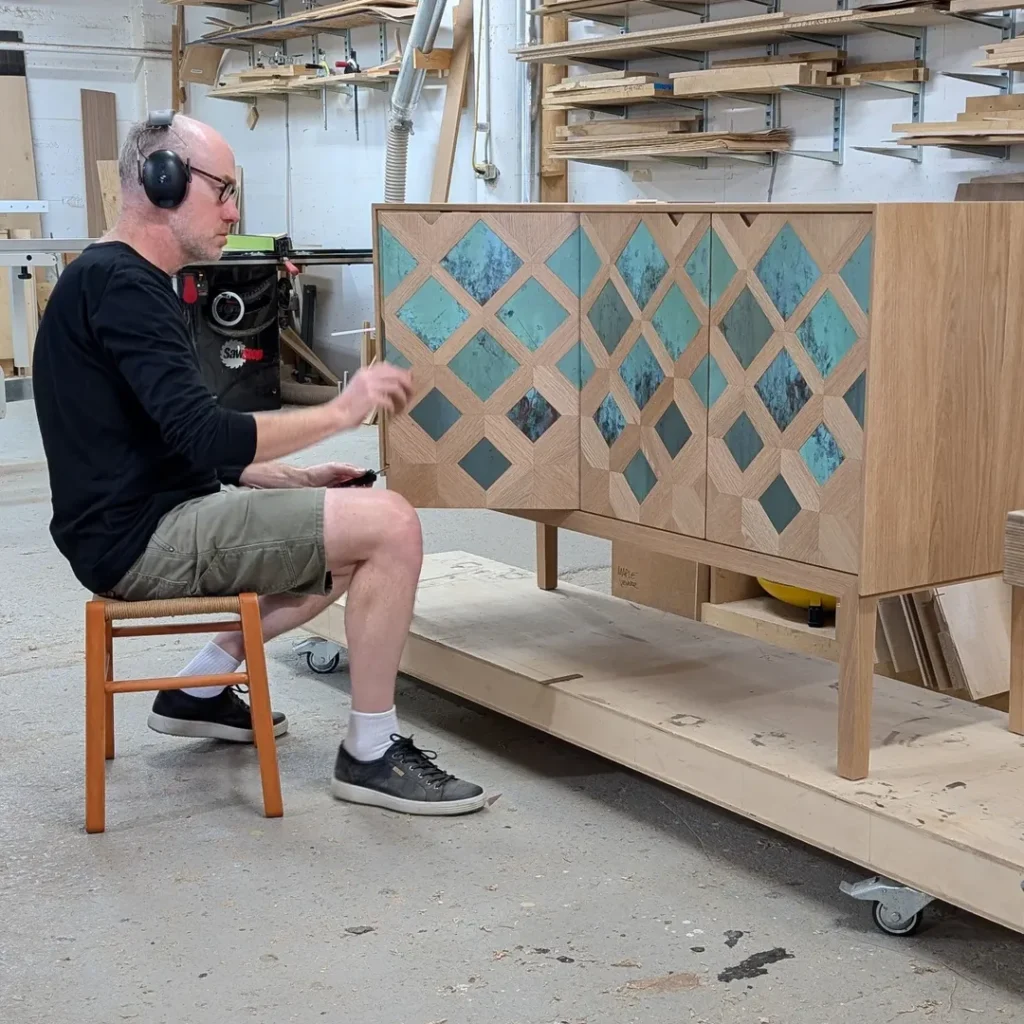
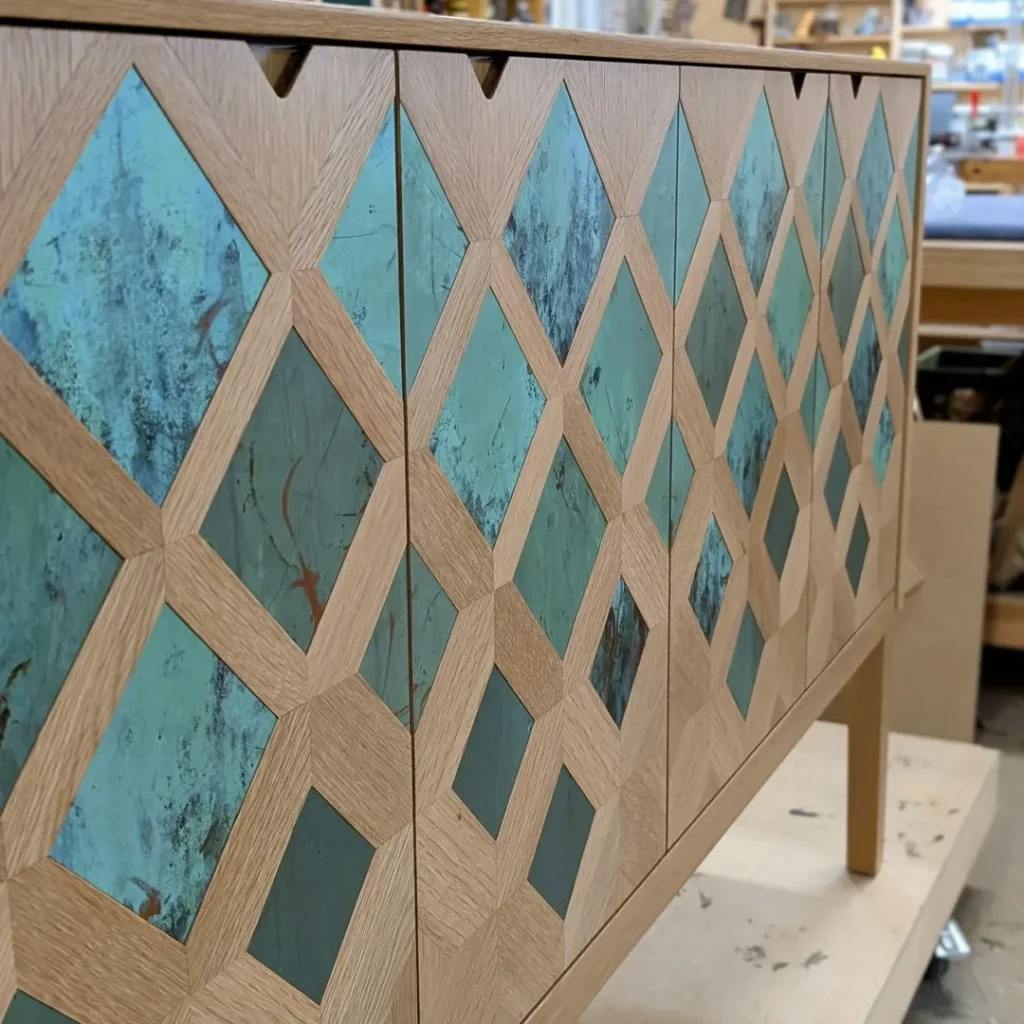
Over time, his business also evolved from highly complex one-off commissions toward a more stable core collection. Solar has spoken candidly about the pitfalls of purely custom studio furniture: it can be thrilling, but it is also unpredictable, and the client pool is smaller. Building a collection gives him a repeatable foundation for the studio while keeping custom work as a parallel track.
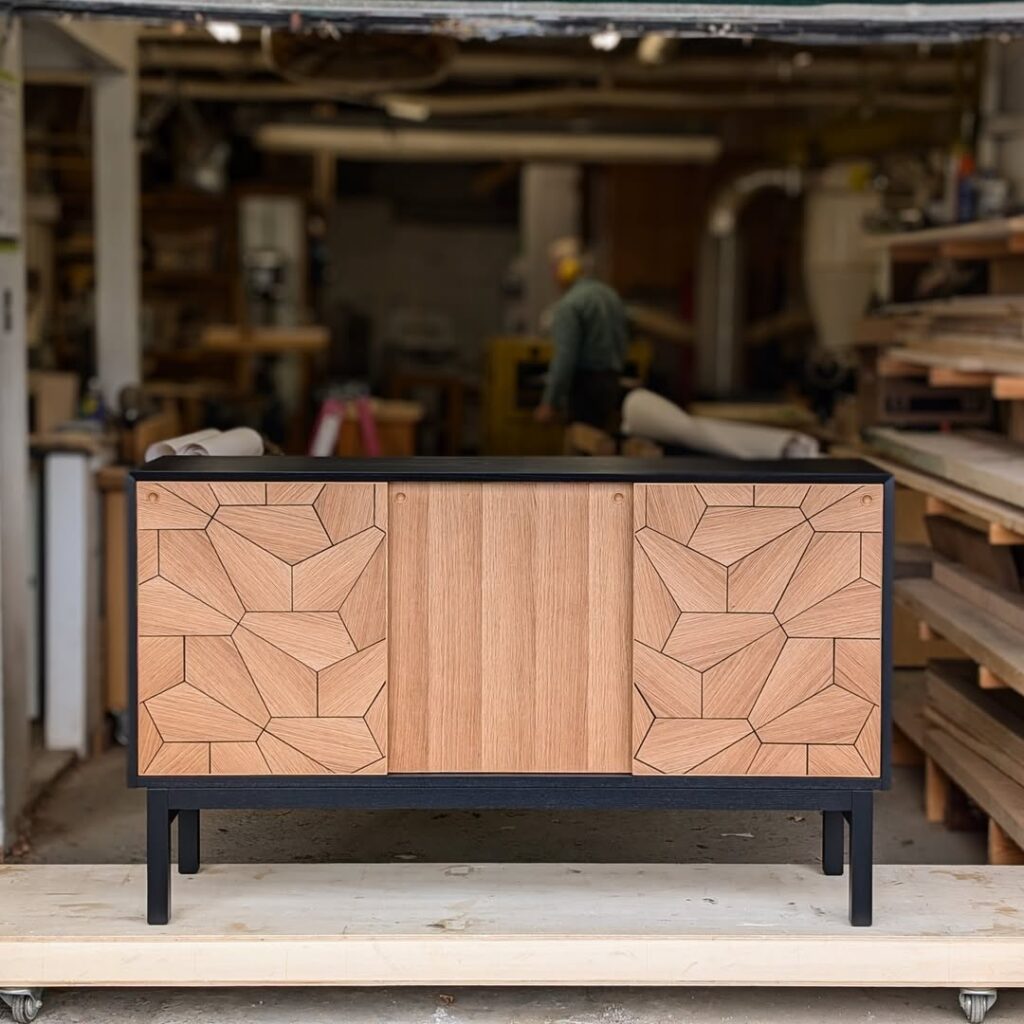
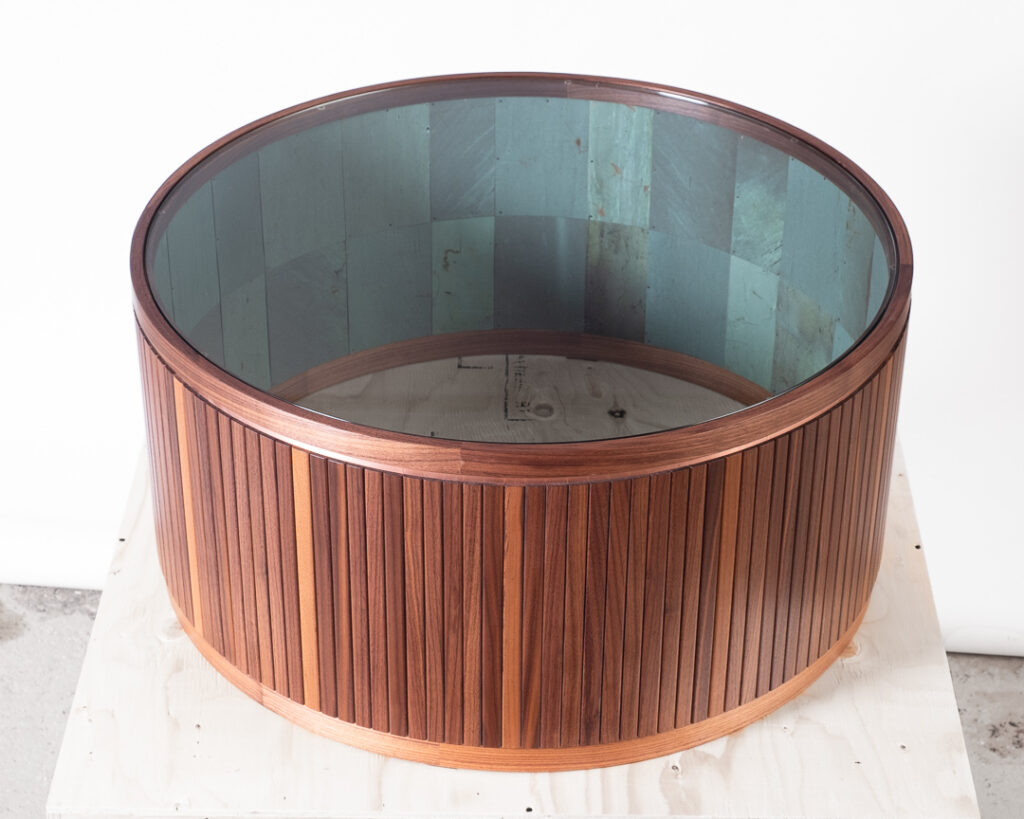
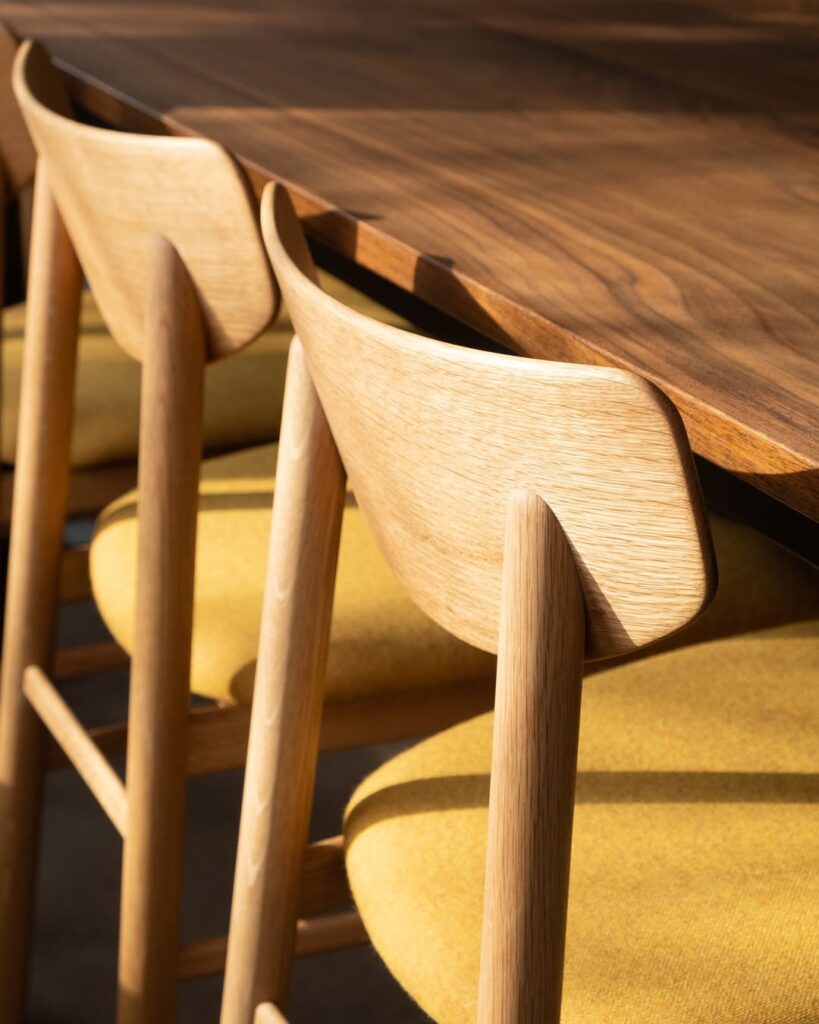
The collection on his site reads like a tight edit rather than a sprawling catalog: pieces such as the Baton Dining Chair, Tambour Table, X2 Table, and the Gladstone chair and stool show a consistent interest in lightness, proportion, and joinery that does not shout. The Baton chair, for example, is built around a solid hardwood frame with gently curved seat and back panels, offered in white oak or blackened oak, with upholstery options spanning fabric and leather. Even the practical touches are considered, down to glide and pad options for the feet.
Solar’s process leans on both machines and hand tools, and he has emphasized the unglamorous first step that separates sharp work from sloppy work: choosing boards, matching grain, and deciding how material gets broken down into parts. He avoids artificial stains, which makes wood selection and consistency more demanding. After milling and cutting, he refines surfaces and joinery with hand tools like chisels and planes, and typically finishes with a hand-applied non-toxic oil.
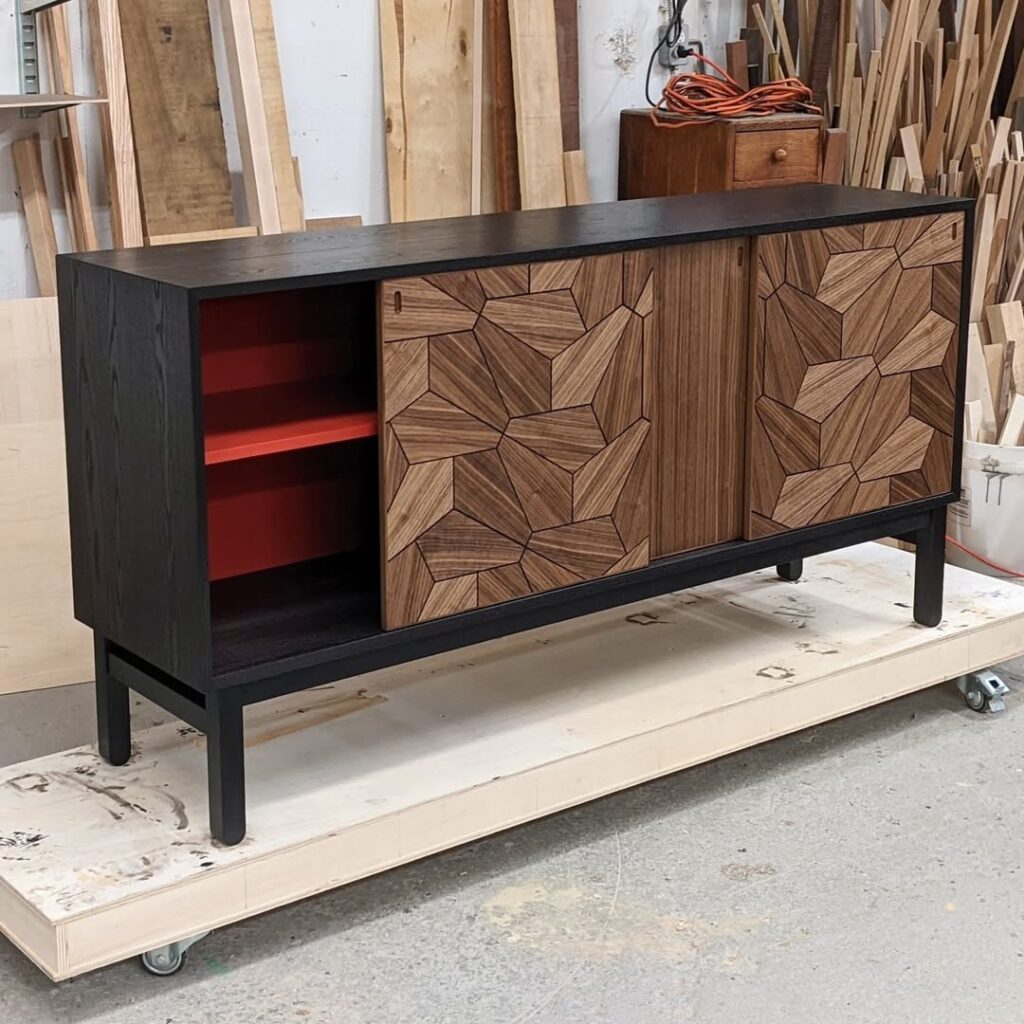
Pattern and geometry are a recurring thread, and they help explain why his furniture photographs so well. One standout example is a sideboard built for the Canadian ambassador’s residence in Hanoi, where Solar focused attention on the doors through a pentagon tiling pattern. Instead of relying on dramatic grain, he used repeating geometric shapes in walnut veneer, outlined with pigmented epoxy resin, drawing inspiration from the mathematical challenge of tiling and from the story of Marjorie Rice, who discovered new pentagon tilings as an amateur mathematician.

He applies that same appetite for systems and repetition to smaller objects, too. In describing a mosaic mirror, Solar explained how it grew from two instincts: fascination with texture created by repetition, and a dislike of waste. The frame is built from uniform offcuts set on end and bound in dark resin, turning scraps into a deliberate composite material rather than a guilty pile in the corner of the shop.
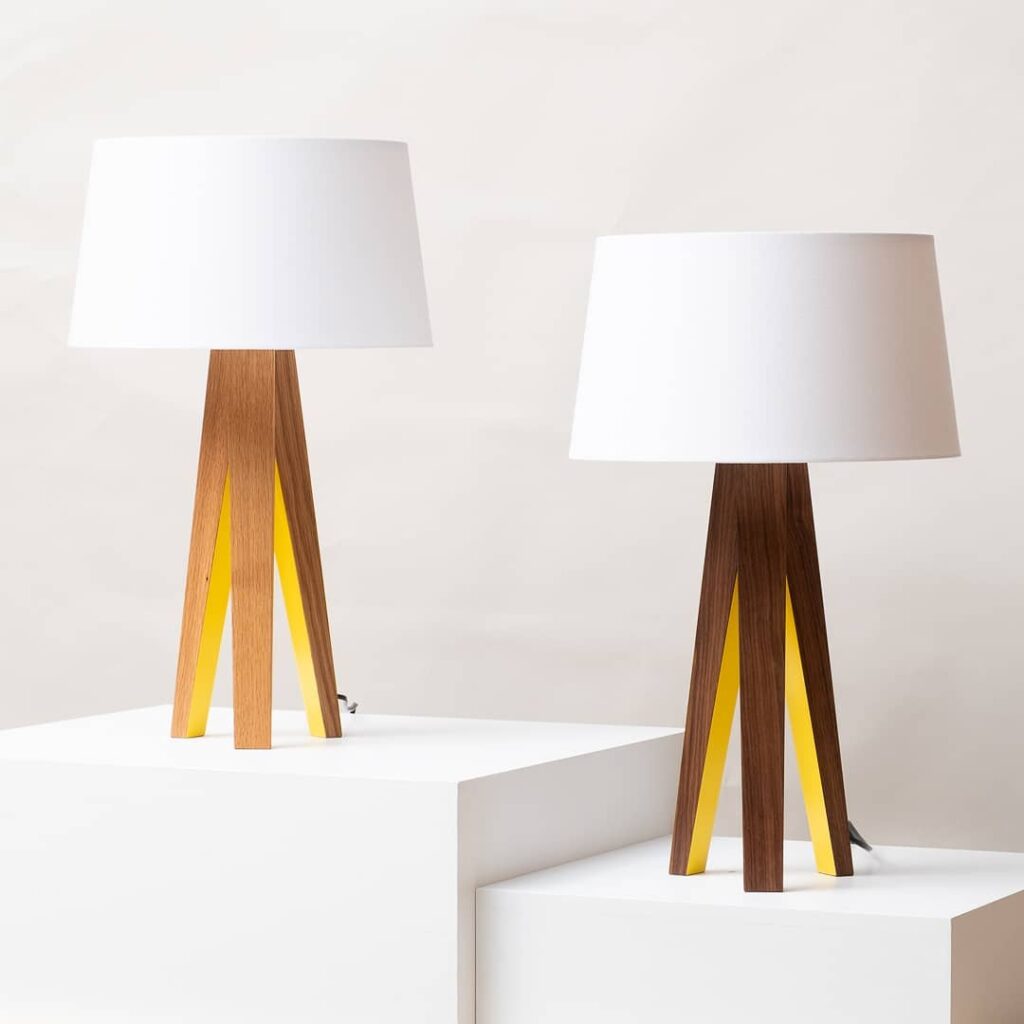
Taken together, Solar’s furniture reads as contemporary Canadian design with a practical spine: made to order, built for long use, and designed with the kind of clarity that comes from caring about both the idea and the execution.
Reply