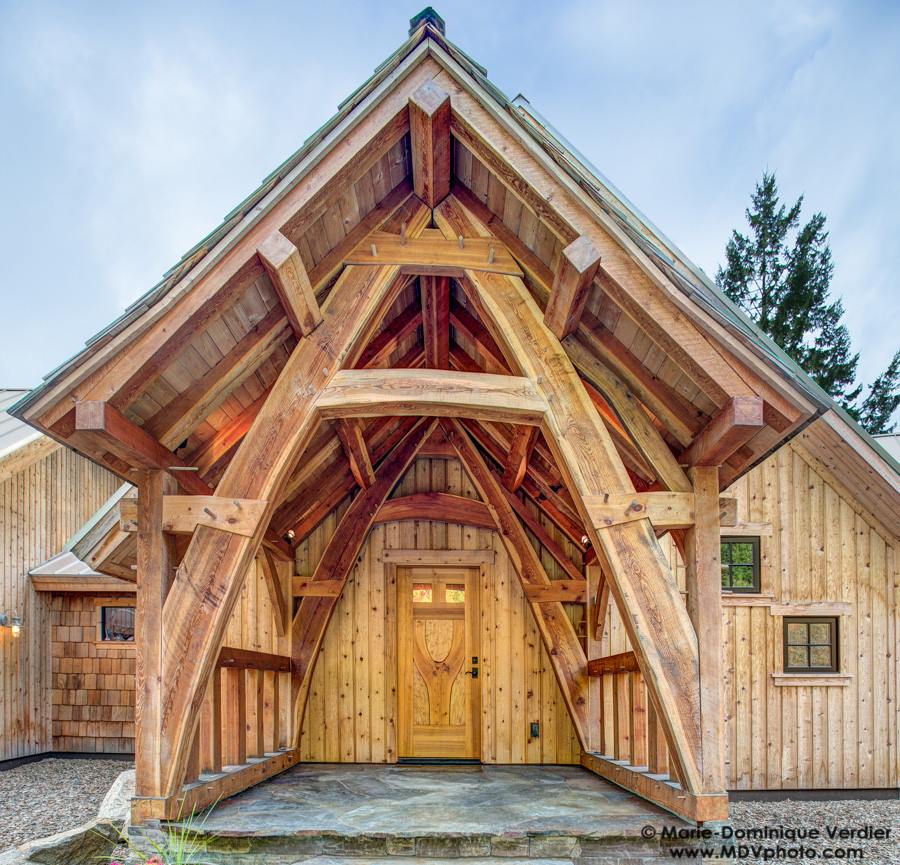
Collin Beggs Timber Framing sits in that sweet spot where architecture, craft, and wood culture overlap. Based out of a studio and workshop in Sandpoint, Idaho, the firm works nationally and positions timber framing as more than structure – it is the visual language of the building.

A design-build studio shaped by place
Collin Beggs describes his practice as growing from North Idaho’s crossroads of landscapes, with the Pacific Northwest on one side and the Rocky Mountain West on the other. That mix shows up in the work as a blend of regional familiarity and restless curiosity. Instead of chasing a single “signature look,” the studio leans into an eclectic approach, pulling from ancient pattern languages and local vernacular forms, then reworking them into contemporary homes and spaces.

The company has operated since 2003, pairing design and building under one roof. On the front end, their design services are described as technology-guided but grounded in craft. On the back end, timber framing and custom woodworking are treated as the core deliverable, where accuracy and artistry have to land on the same line.
Building for permanence, not disposal
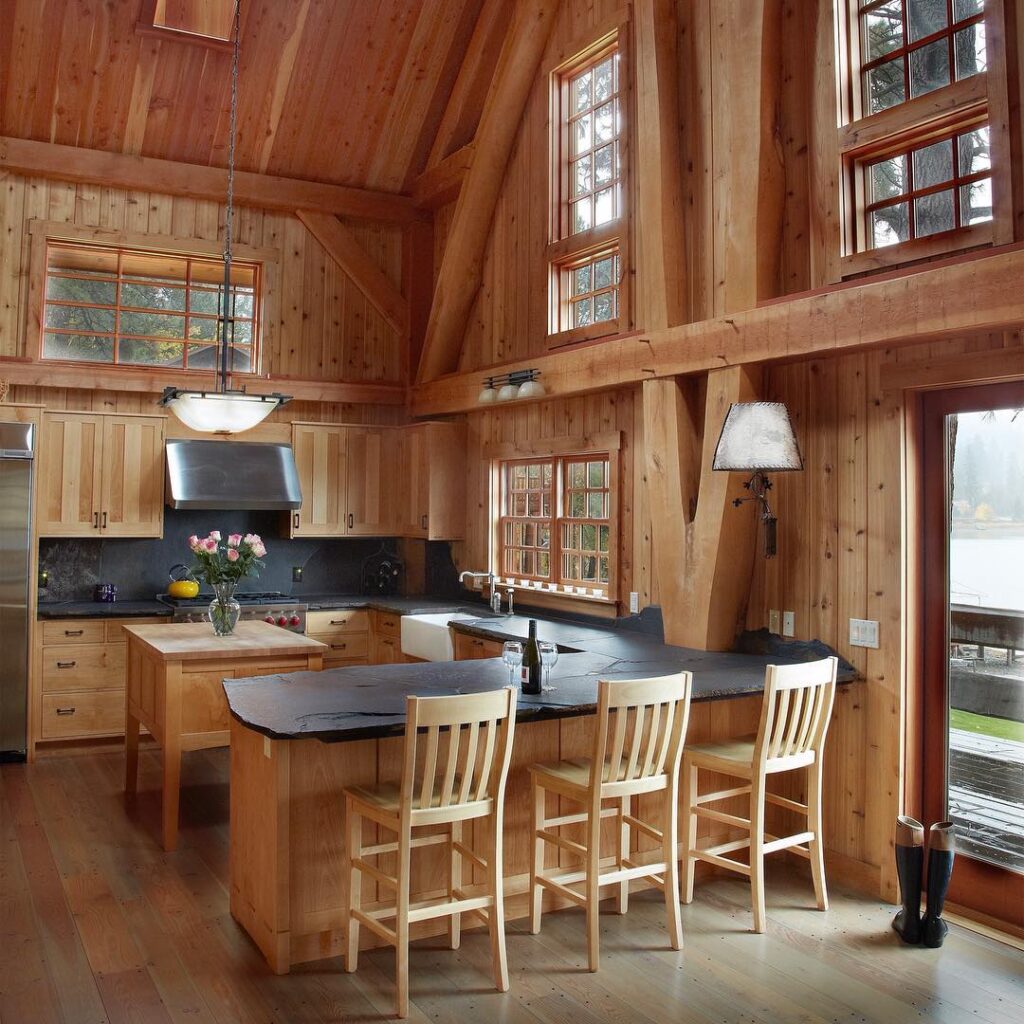
A recurring theme in Beggs’ writing is longevity – not as marketing garnish, but as a guiding principle. In a blog post focused on conservation, he argues that conservation in timber framing goes beyond trees. It includes resisting short-lived architectural trends, prioritizing local materials, and avoiding construction choices that are destined for the dumpster in a few decades. The aim is post-and-beam buildings that can be maintained, remodeled, and renewed over time, carrying value forward rather than expiring.

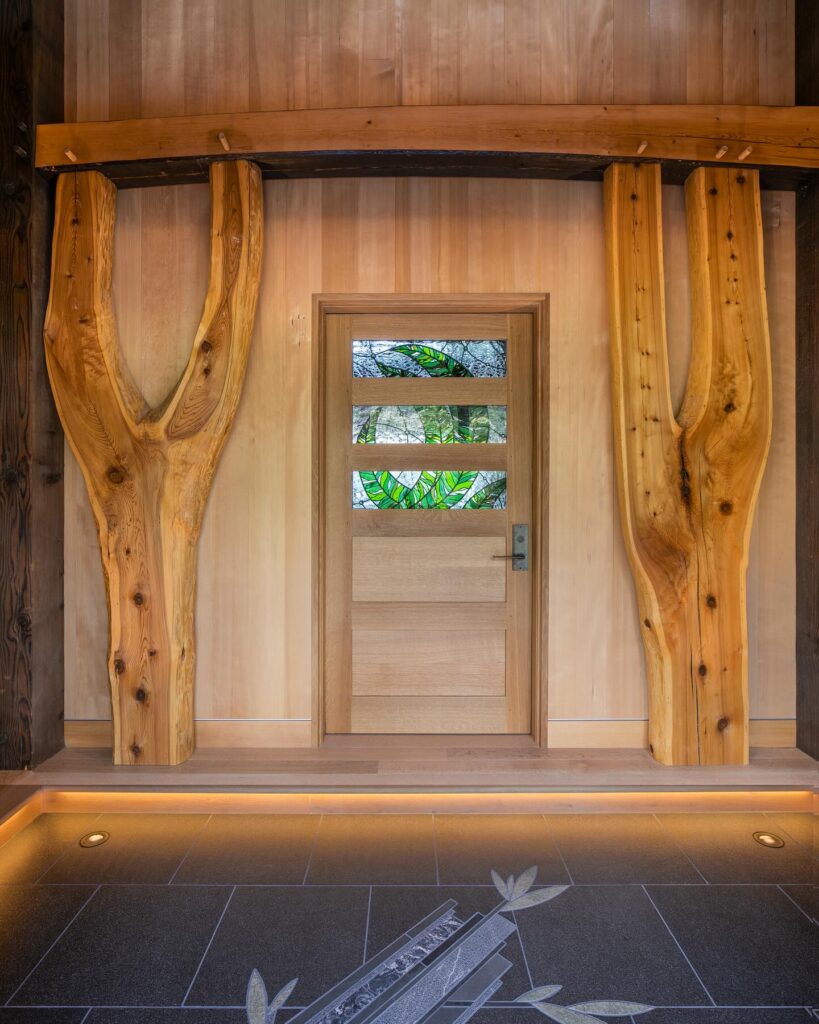
That long view also shapes how material is judged. Instead of treating “perfect” lumber as the only acceptable option, the studio highlights the potential of overlooked timber – including crooked pieces that are often sidelined. In Beggs’ framing, those irregularities are not defects to hide, but opportunities to make the structure feel more alive and specific to its place.

Frames that celebrate imperfection
One portfolio story that makes this attitude tangible is “From Fire,” a project inspired by Northwest mining camps and fire towers. The team used fire and carbonization as a protective timber finish, turning charring into both a practical skin and a narrative layer. Curved timbers were selected, scribed, and joined in a way that keeps natural form in the spotlight, pushing the idea that imperfection can be part of the beauty rather than something to plane out of existence.
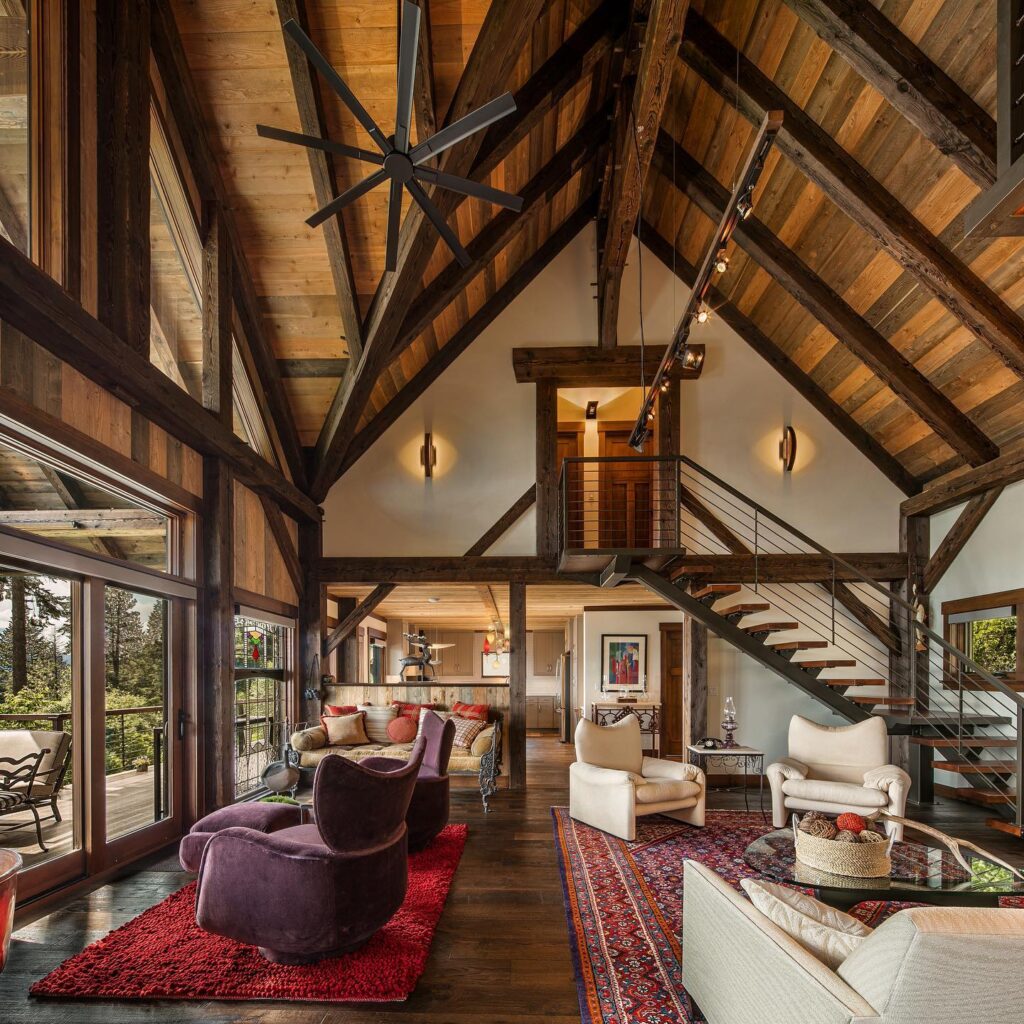
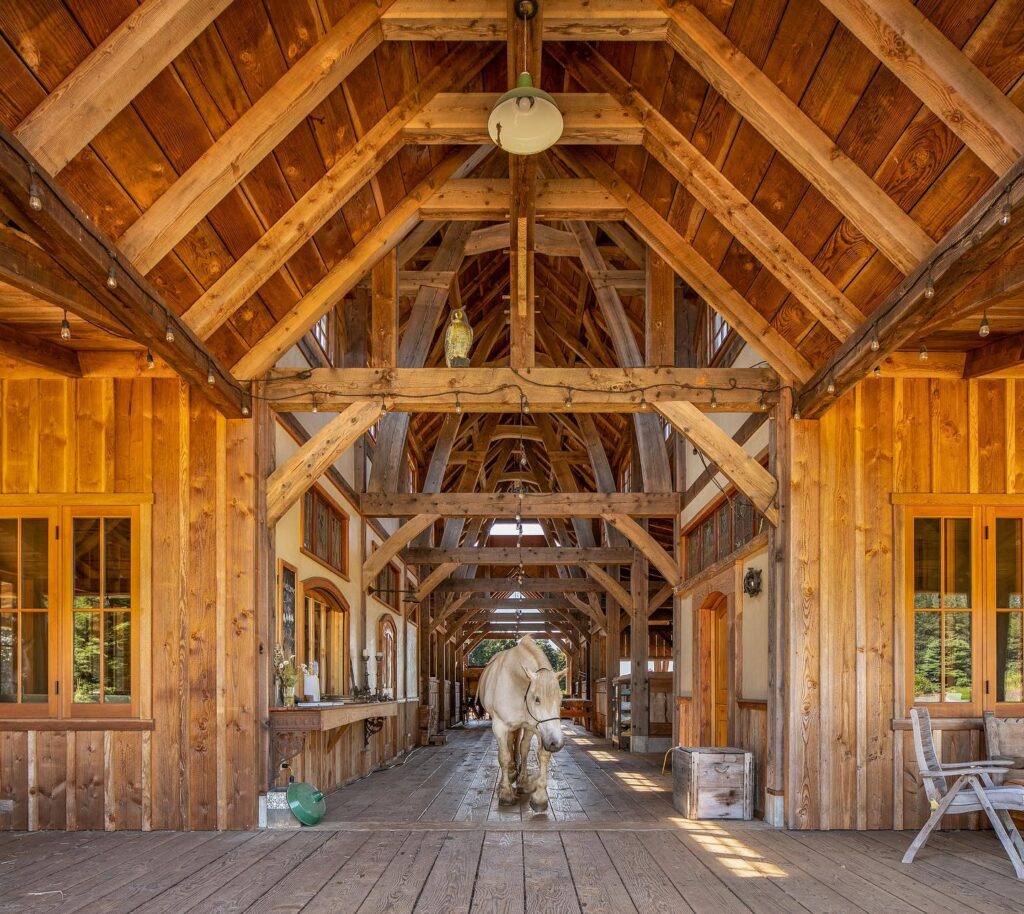
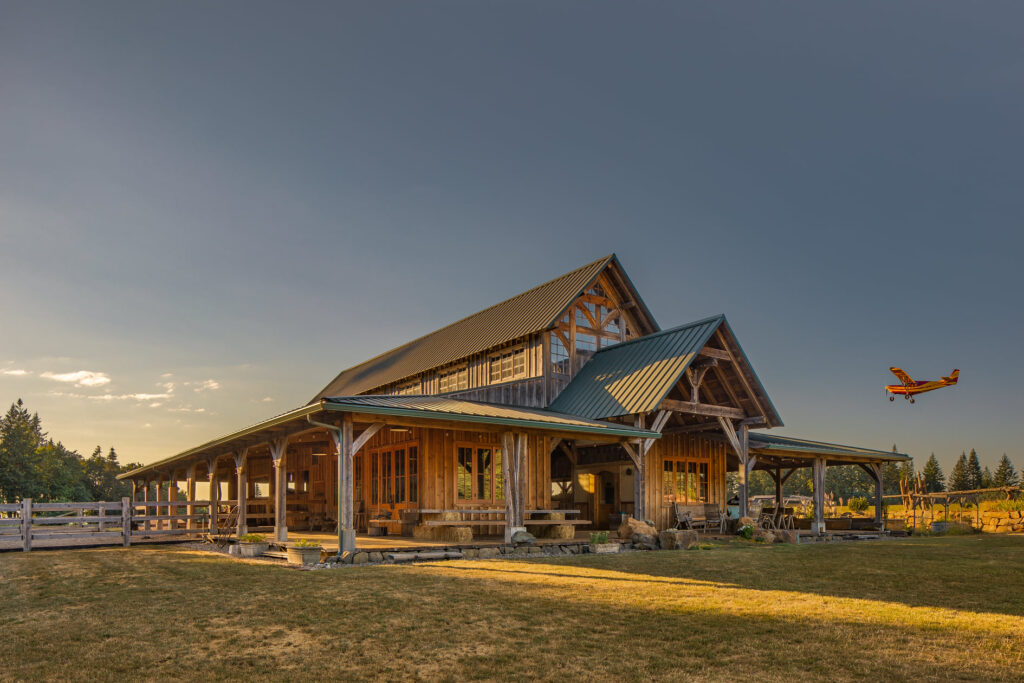
Across the broader portfolio, the project titles read like short poems, but they also hint at real references: forests, mountains, barns, and regional building memory. Pieces like Forms That Remember nod to European barn traditions, while Becoming Home is explicitly tied to the landscape around Lake Pend Oreille.

Reply