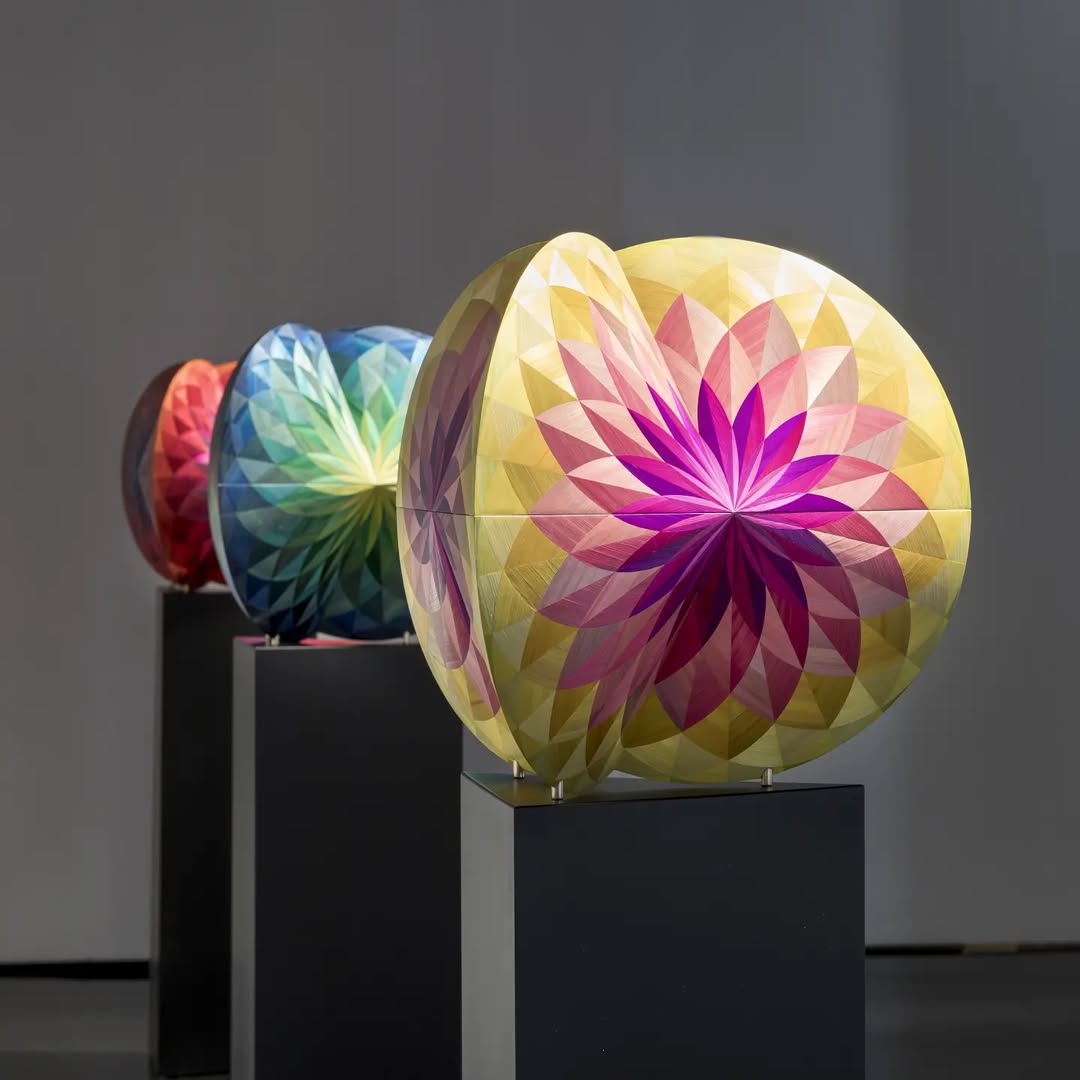
Adam&Arthur, often shortened to A&A, is the collaboration between Australian industrial designer Adam Goodrum and French straw marquetry artisan Arthur Seigneur. Their furniture lives where object and image overlap. A cabinet door is not simply a panel, it is a field of light. As the angle shifts, bands sharpen, soften, and flicker into contrast. The effect feels contemporary, but it is built with an old craft pushed to its limits.
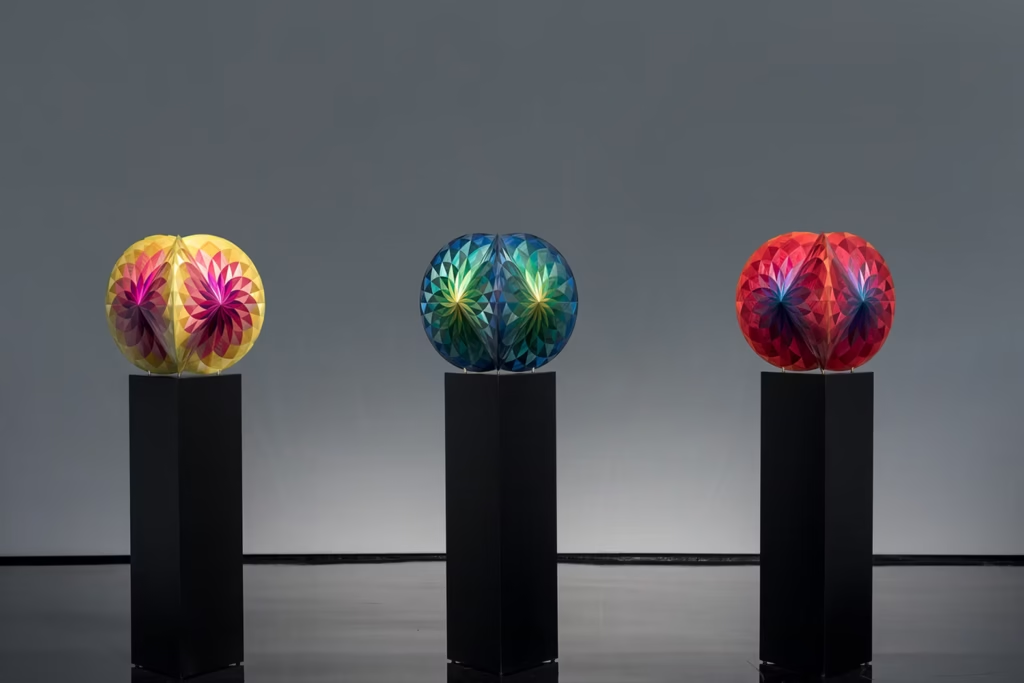
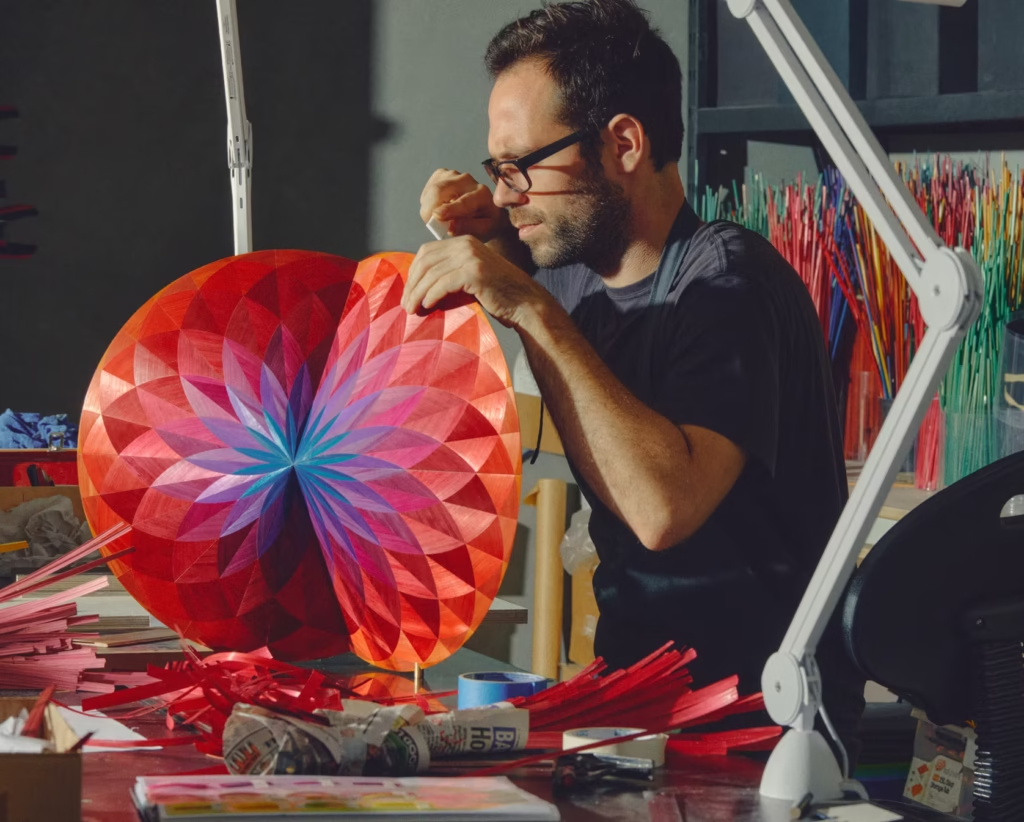
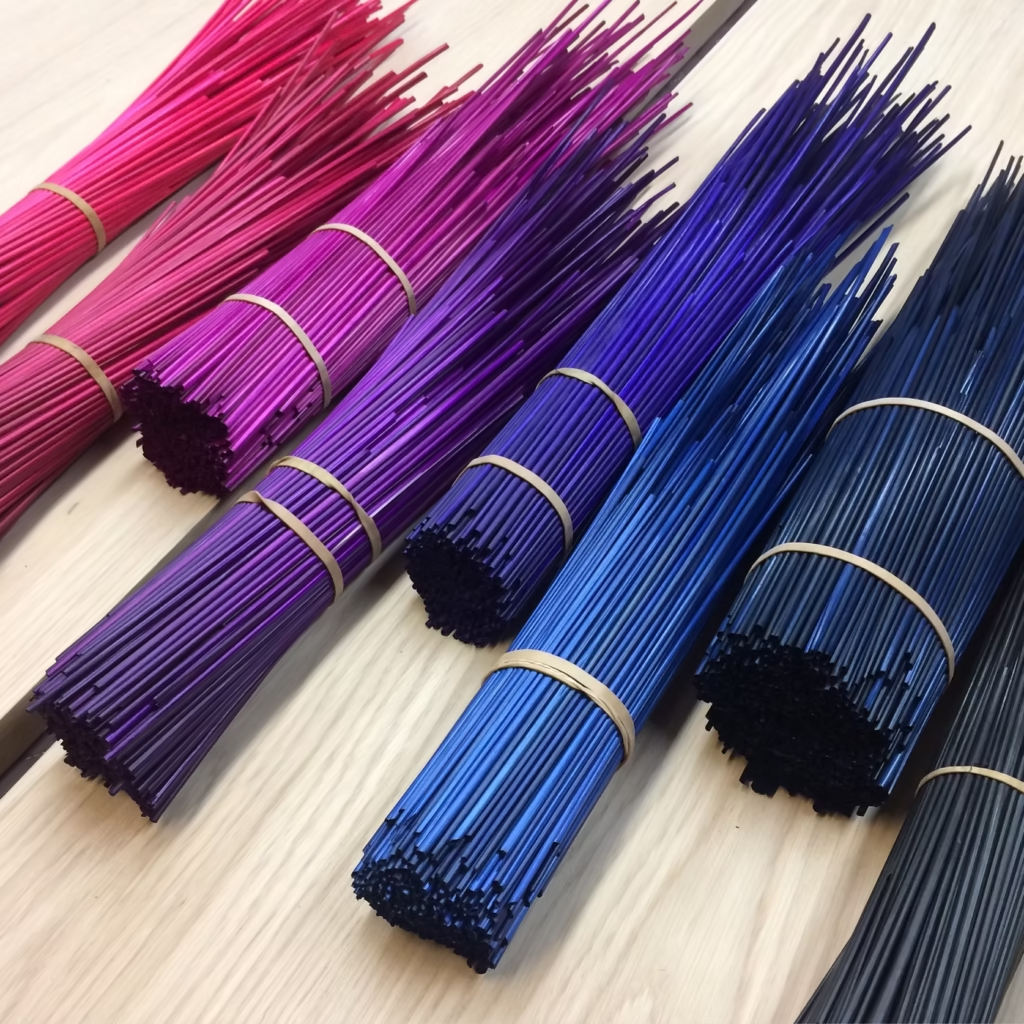
Straw marquetry, often described as a 17th-century decorative technique, uses rye straw that is dyed, opened, and flattened into ribbon-thin strips. Adam&Arthur import straw stems from France in small batches, then prepare each stem before laying the strips edge to edge on paper or wood until a full surface is covered. Pattern is created through direction changes in the straw, which catches light differently and produces natural gradients and shimmer that sit somewhere between textile and veneer.
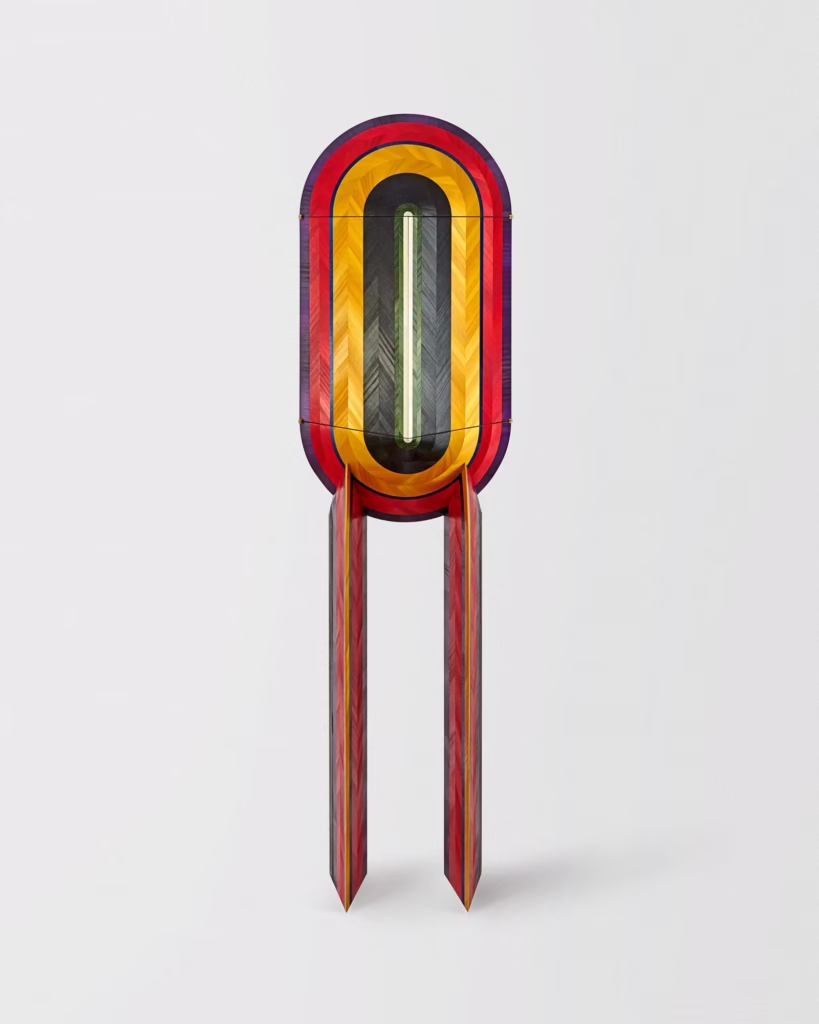
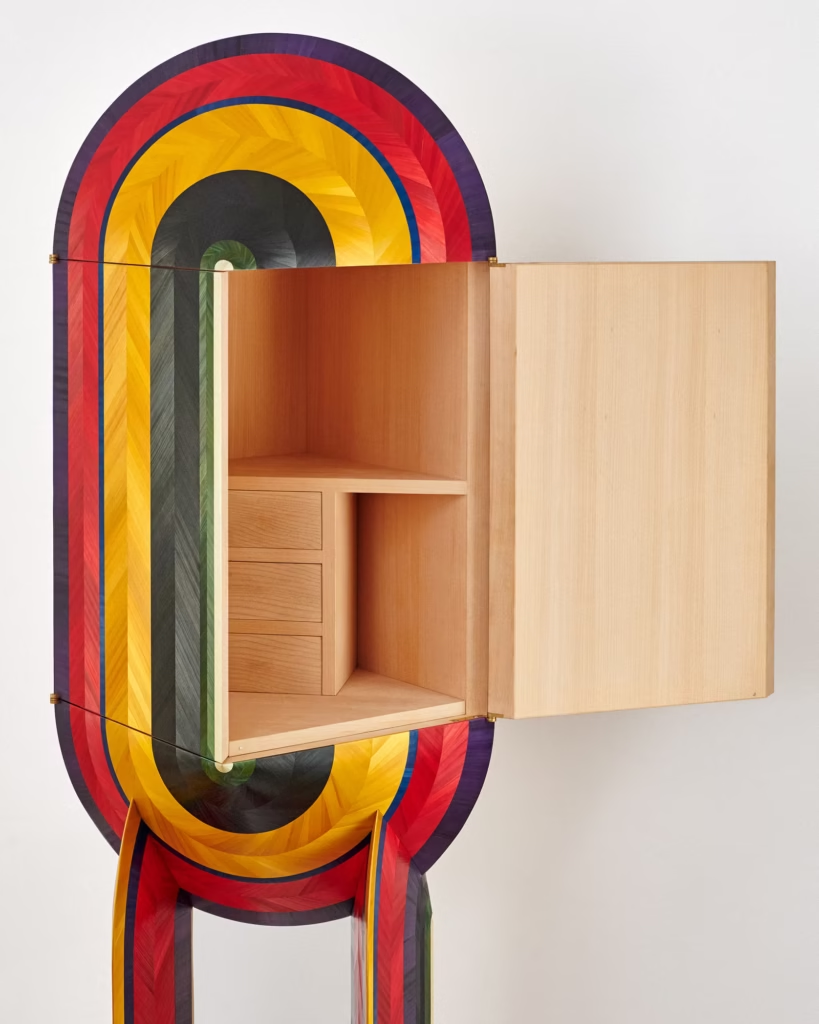
Goodrum and Seigneur first connected soon after Seigneur arrived in Australia in early 2015. Seigneur trained in Paris under straw marquetry specialist Lison de Caunes, then brought that expertise into a modern design context. In 2018 they established a dedicated practice called Adam and Arthur, focused on unique, fully bespoke pieces that combine design innovation with traditional craftsmanship. The studio’s aim is simple – make straw behave like a contemporary material with real optical bite.
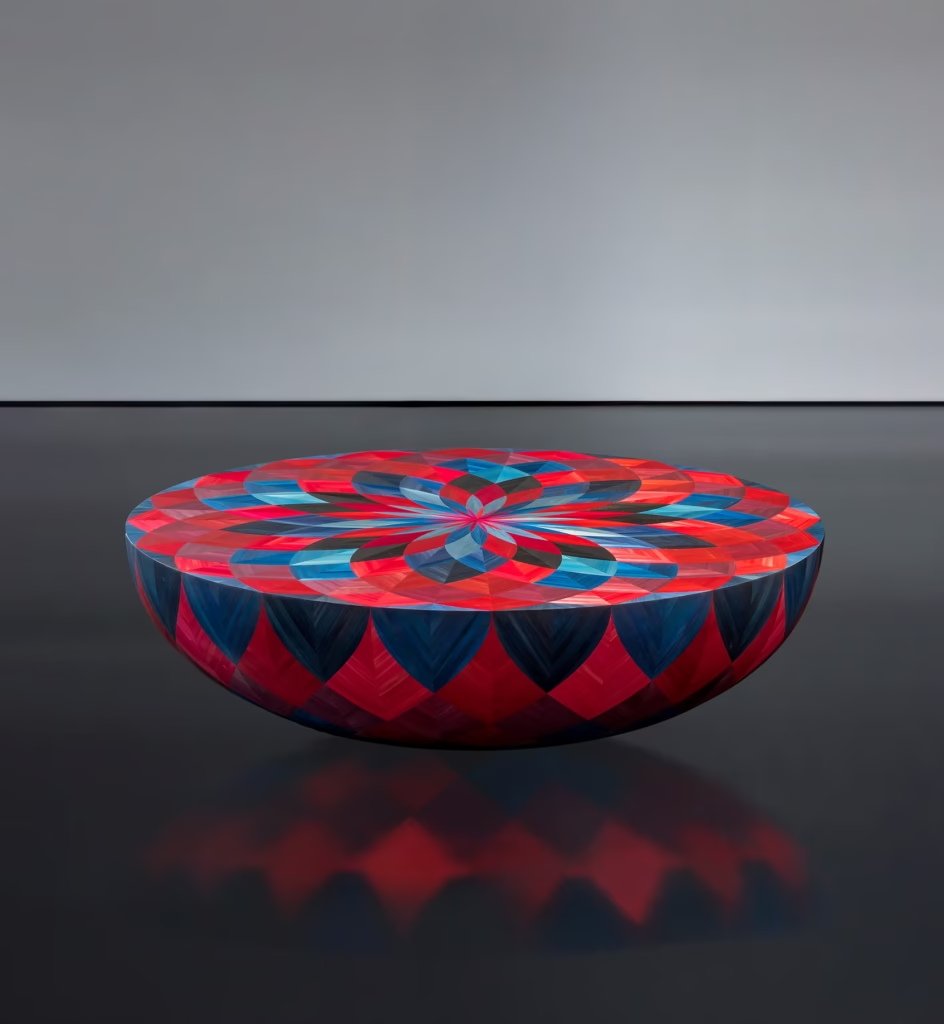
A key early statement is Bloom, a cabinet whose facade is built from thousands of sections of premium rye straw imported from specialist growers in Burgundy, France. The decorative front conceals a more conventional timber wardrobe behind it, which makes the contrast part of the point. The cabinet’s proportions stay relatively orthodox, while the surface performs, shifting from flat graphic to dimensional relief as the viewer moves.
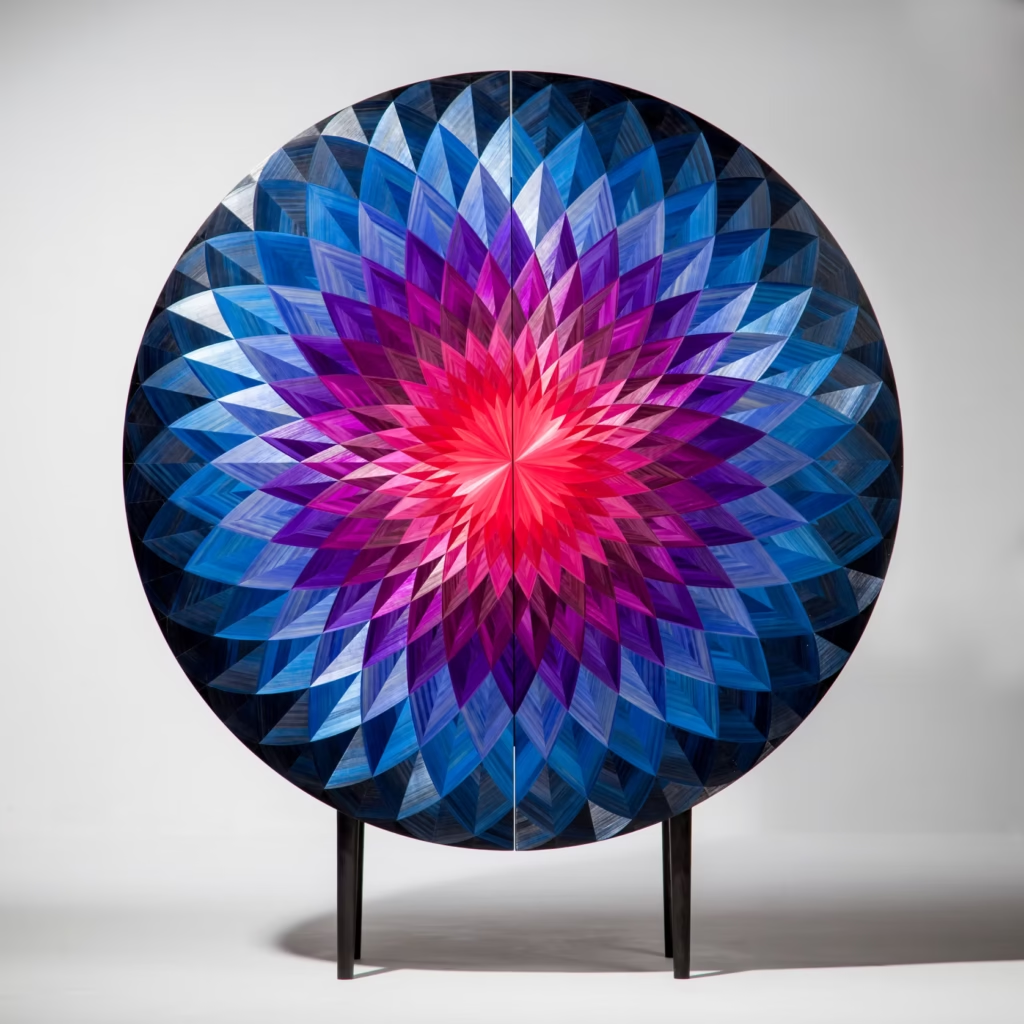
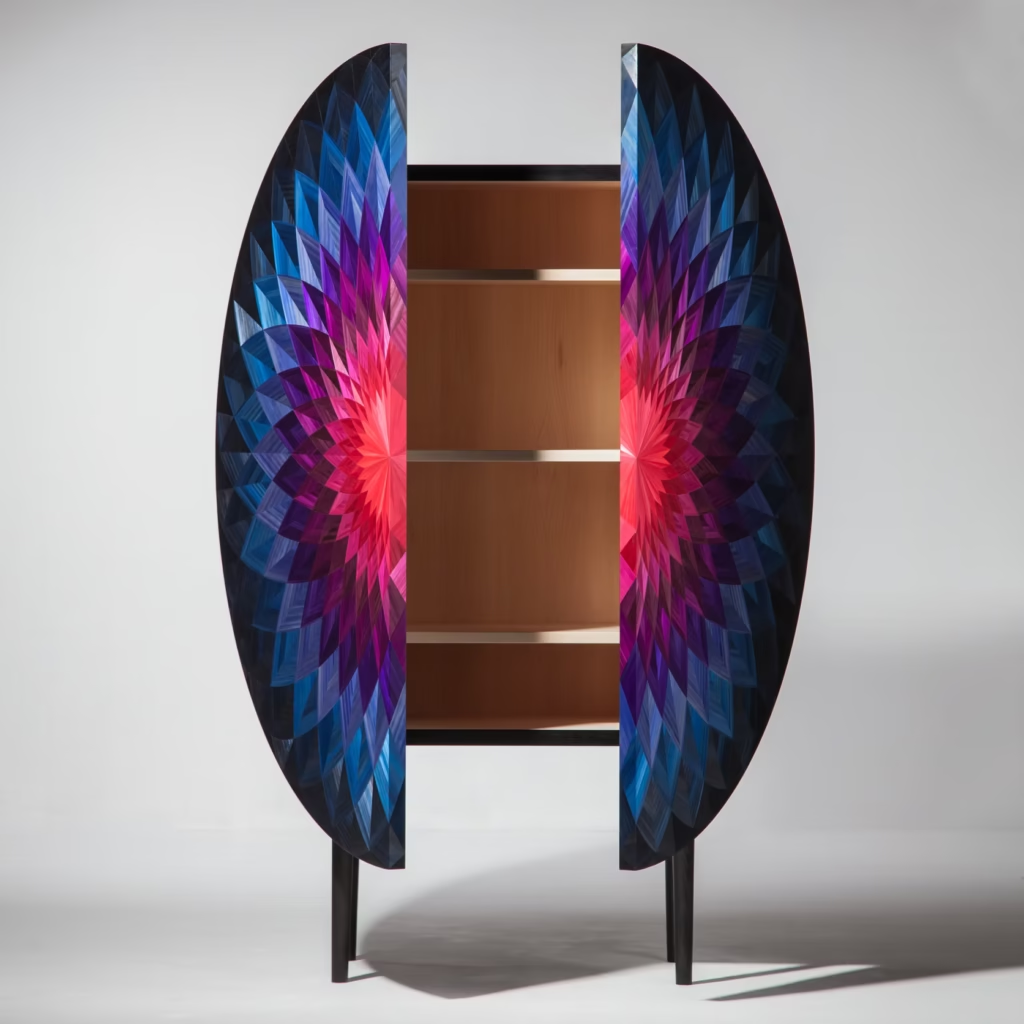
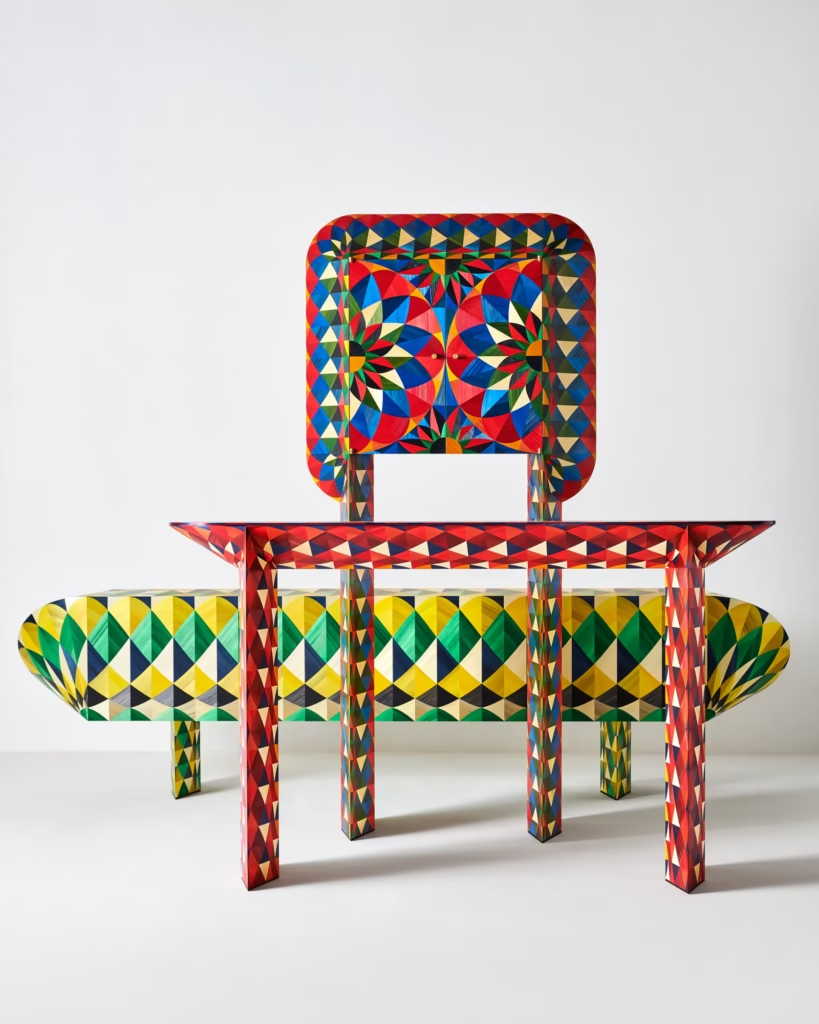
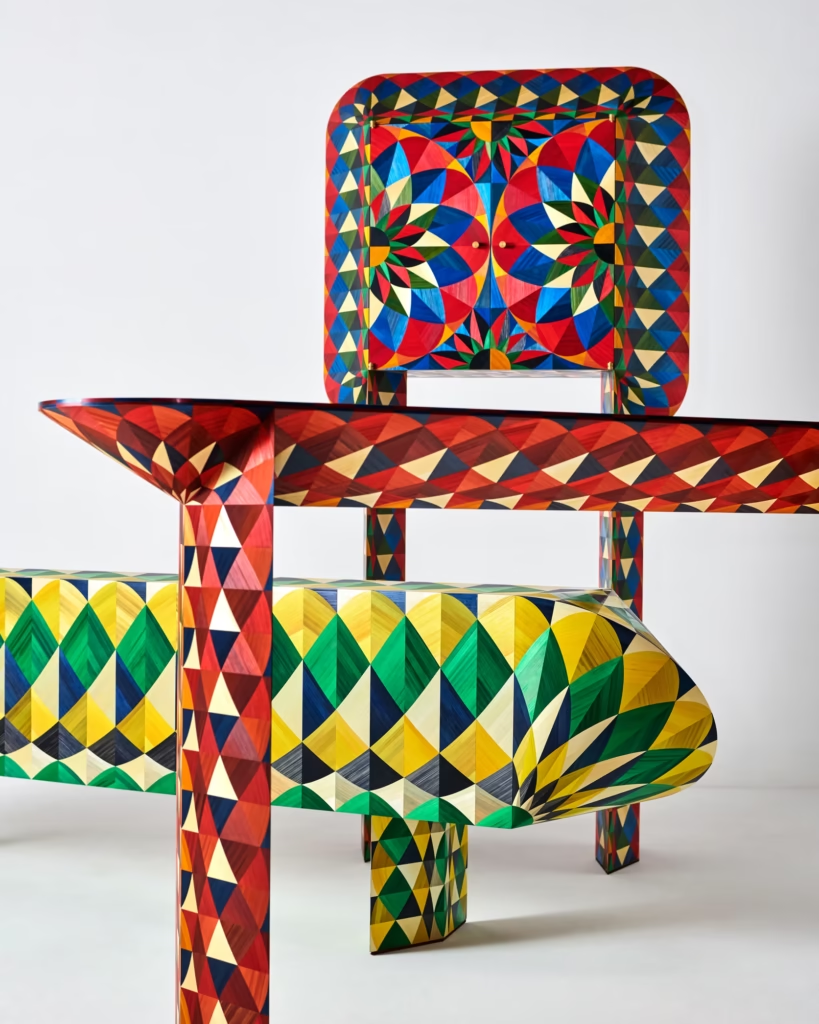
Their Exquisite Corpse collection pushed the collaboration into a wider spotlight. The series includes pieces such as Talleo (tallboy), Archant (console), and Longbow (credenza). The title nods to the surrealist parlour game “exquisite corpse,” and the reference fits – patterns evolve through dialogue rather than a single authorial hand. In these works, kaleidoscopic geometry and concentric symmetry create a sense of motion. Straw grain runs in opposing directions, producing depth and a kind of flicker effect, so flat planes read as faceted.
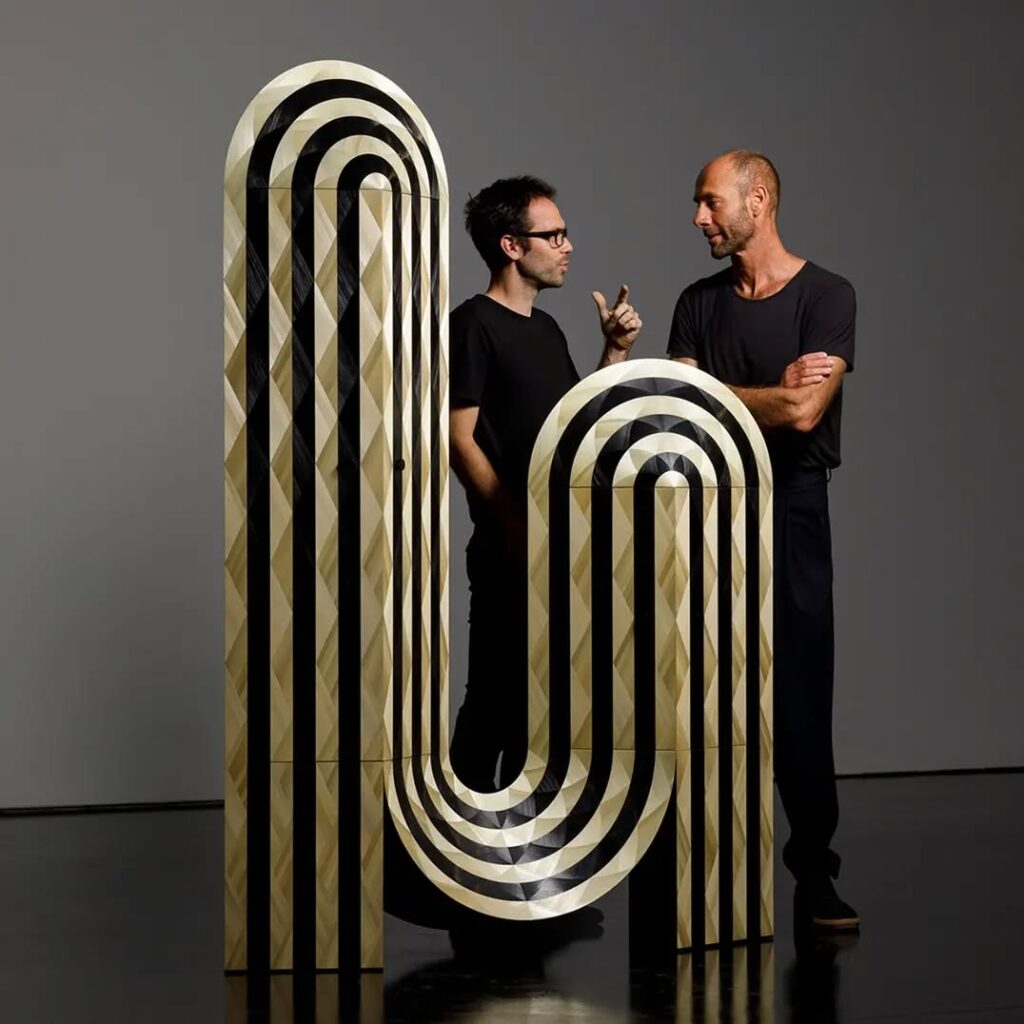
More recent work shows a turn toward restraint. Mother and Child, a cabinet produced in the early 2020s, pairs with the Continuum table and uses custom dyed rye straw over birch ply in black and white. The reduced palette amplifies the linework and the tonal spectrum created by straw direction alone. It is a reminder that the studio’s biggest trick is not colour, but control. Light does the decorating, and the craft simply tells it where to land.
What ties Adam&Arthur together is clarity. Forms stay legible, even when surfaces turn electric. The collaboration also avoids the usual craft revival storyline. Instead of “saving” a tradition, the duo treats it as a platform for new visual language, built from humble material and serious discipline. In their best pieces, straw is not a garnish. It is the architecture of the object’s mood.
Reply