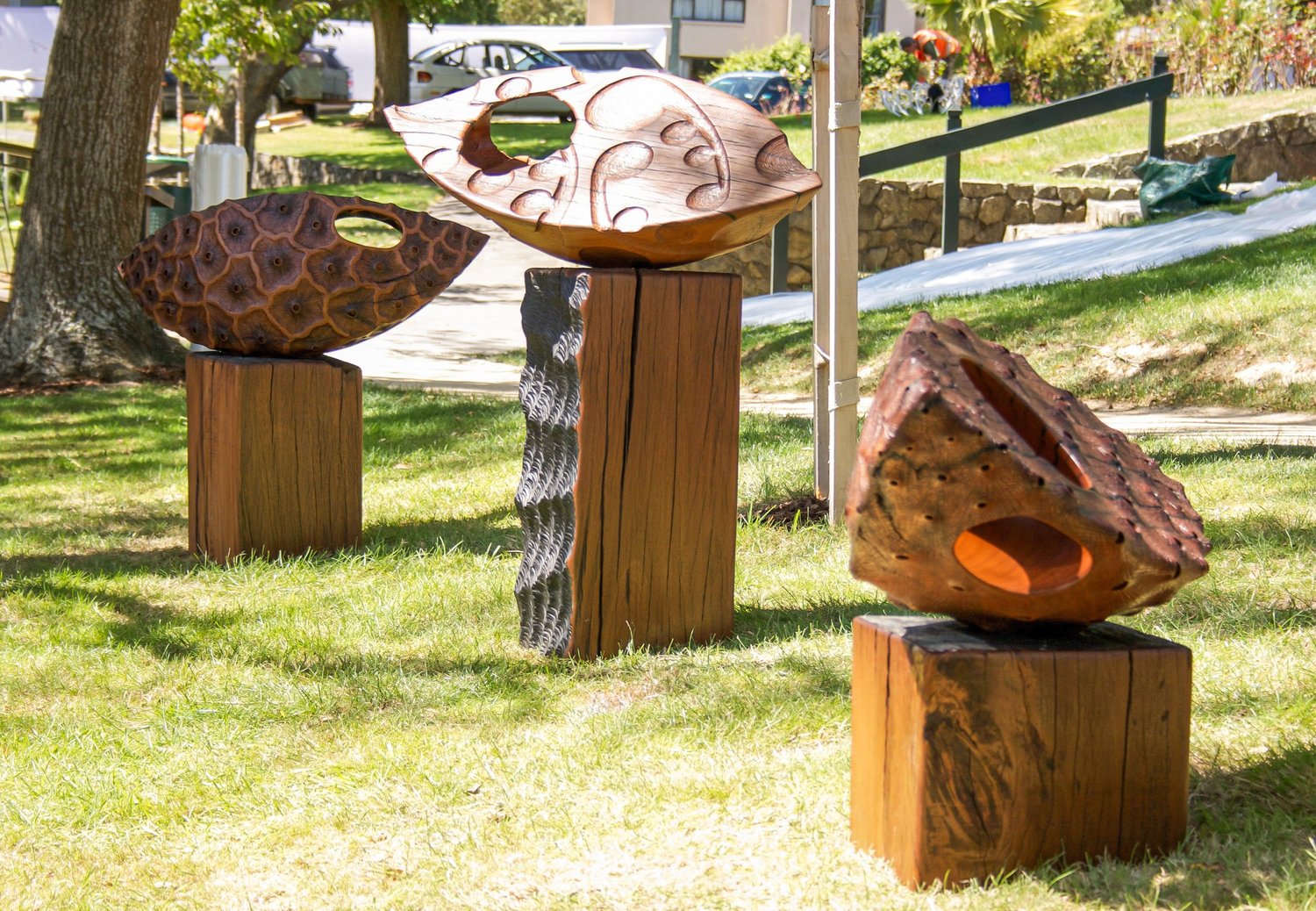
Graeme Priddle is a New Zealand born woodturner and sculptor known for pieces that feel both crafted and lived-in. He has worked in wood for more than three decades, building a reputation for sculptural forms that connect to landscape, travel, and coastal life. Much of his practice grew out of time in Northland, New Zealand, where the environment becomes more than a backdrop. It shows up in shape, surface, and rhythm.
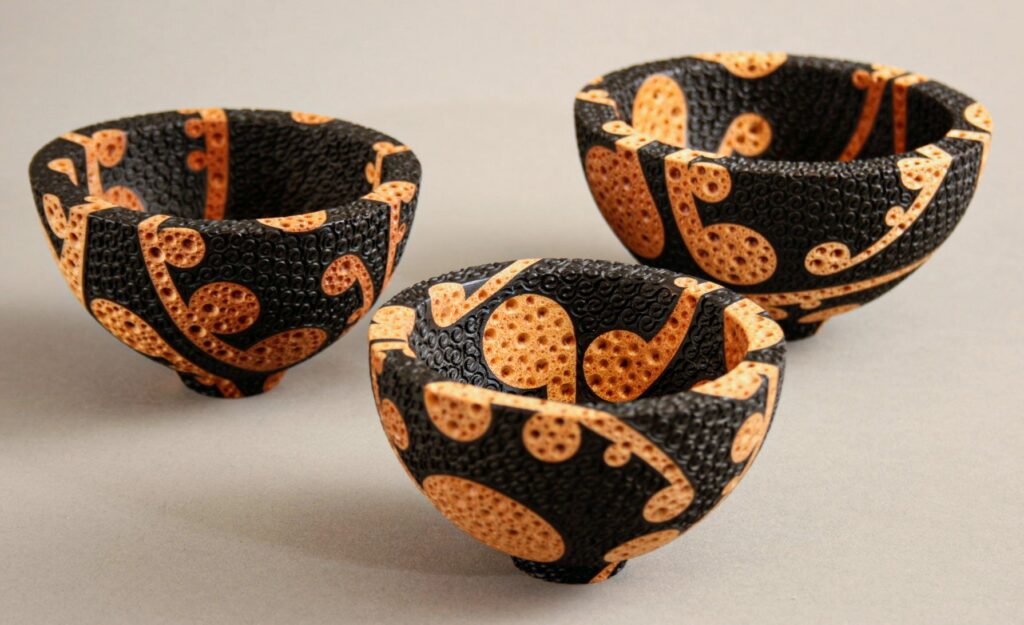
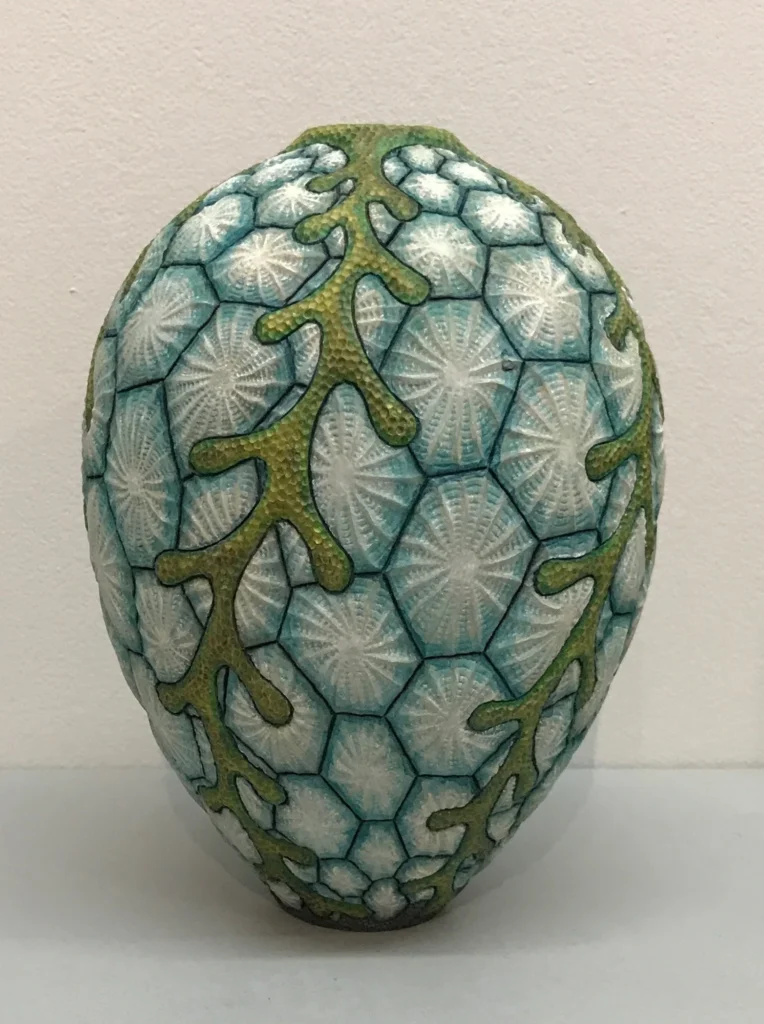
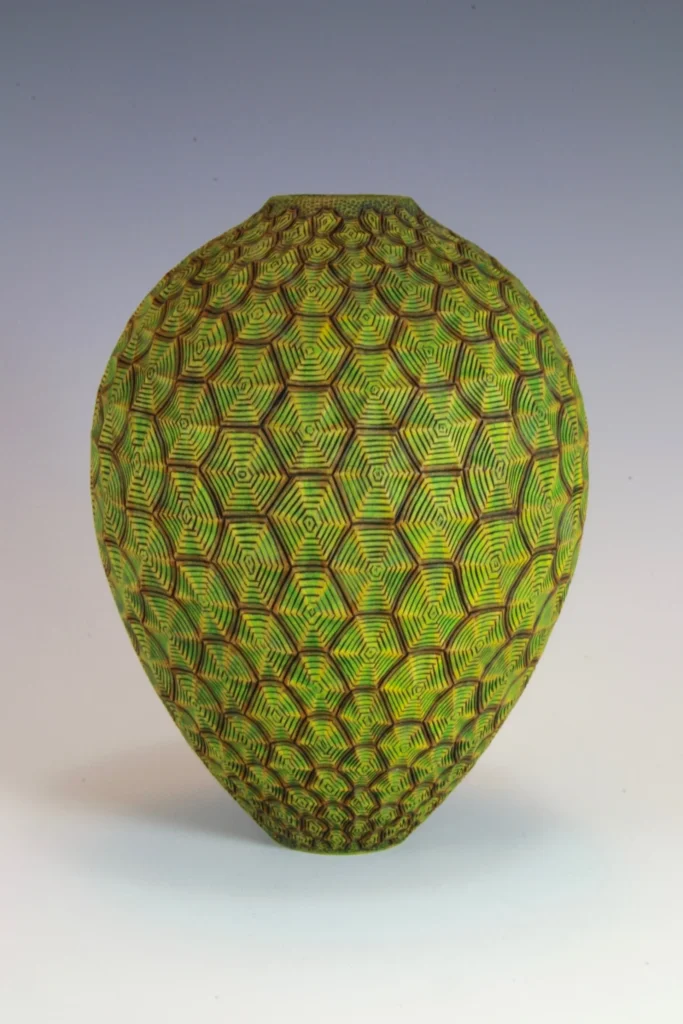
At the core is turning, but Priddle rarely stops at the clean, perfect lathe line. He turns forms, then pushes them further with carving, texture, and colour. Vessels are a recurring starting point. Some read like bowls at first glance, yet they carry the presence of sculpture, with edges that shift, walls that fold, and surfaces that suggest weathering, navigation, and memory. Paint appears often, not as a simple finish but as a way to sharpen contrast and add visual tempo.
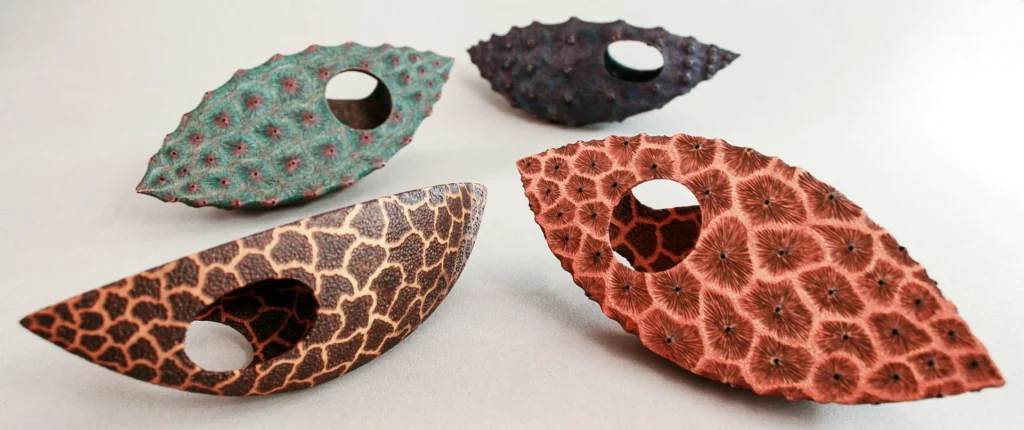
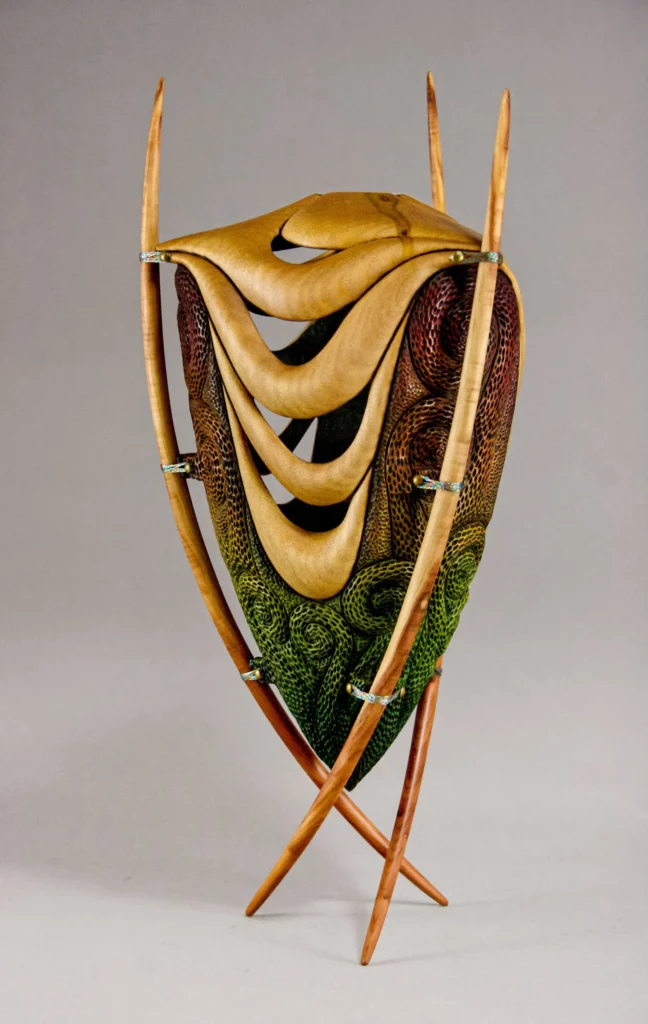
A major thread in his work is the Waka series, named after the Māori canoe. These pieces are tied to a long-running fascination with boats and sailing, and Priddle has written about them as objects that hold stories of voyaging, homesickness, and friendships formed on the road. The canoe-like silhouette gives the series its spine, while the details – carved marks, darkened areas, and patterned sections – carry the emotion.
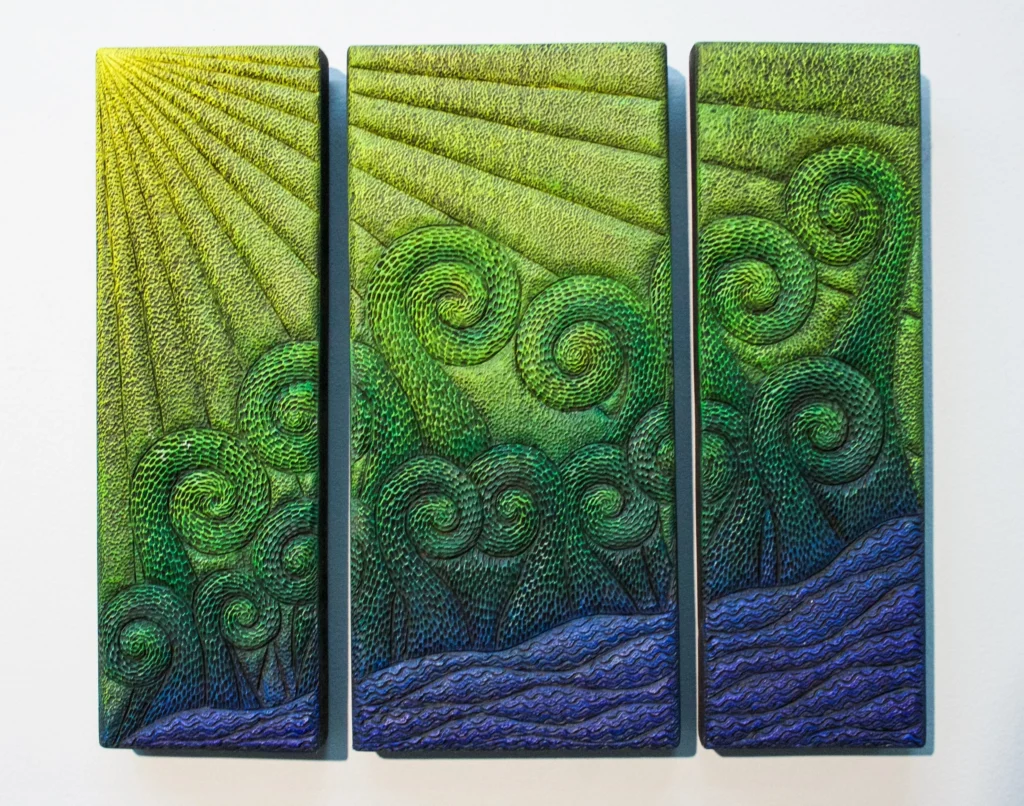
That mix of personal narrative and cultural reference is also visible in how he uses pattern. Priddle has produced wall works and vessel forms that borrow the logic of traditional Māori motifs. In pieces like “Lineage,” he points to Niho Taniwha, a pattern associated with the taniwha of Māori mythology, and links it to themes like guardianship, strength, and family lines. Rather than treating pattern as decoration, the work treats it as content. The surface tells the viewer how to read the object.

Priddle’s international recognition is backed by institutional collecting. A well-known example is Reflection (2006), a pair of turned and carved sculptures in the Smithsonian American Art Museum. The forms echo a waka, and the dark surface is described as an allusion to New Zealand tree ferns. It is a clear snapshot of what he does best: a traditional making process, a refined sculptural silhouette, and a finish that points straight back to place.

Alongside studio work, Priddle has been deeply involved in the woodturning community. He served on the committee of the New Zealand National Association of Woodturners and played a key role in establishing the CollaboratioNZ conferences in 1998. Teaching has also been a constant. For decades he has demonstrated and taught at woodworking events and schools in multiple countries, while exhibiting widely across New Zealand, Australia, Europe, Asia, and North America.

Since 2015, Priddle has been based in Asheville, North Carolina, where he works in collaboration with artist Melissa Engler as Half Feral Studio at Grovewood Village. The move did not dilute the New Zealand DNA in his work. If anything, distance seems to sharpen it, turning boats, coastlines, and carved pattern into a language that keeps travelling.
Reply