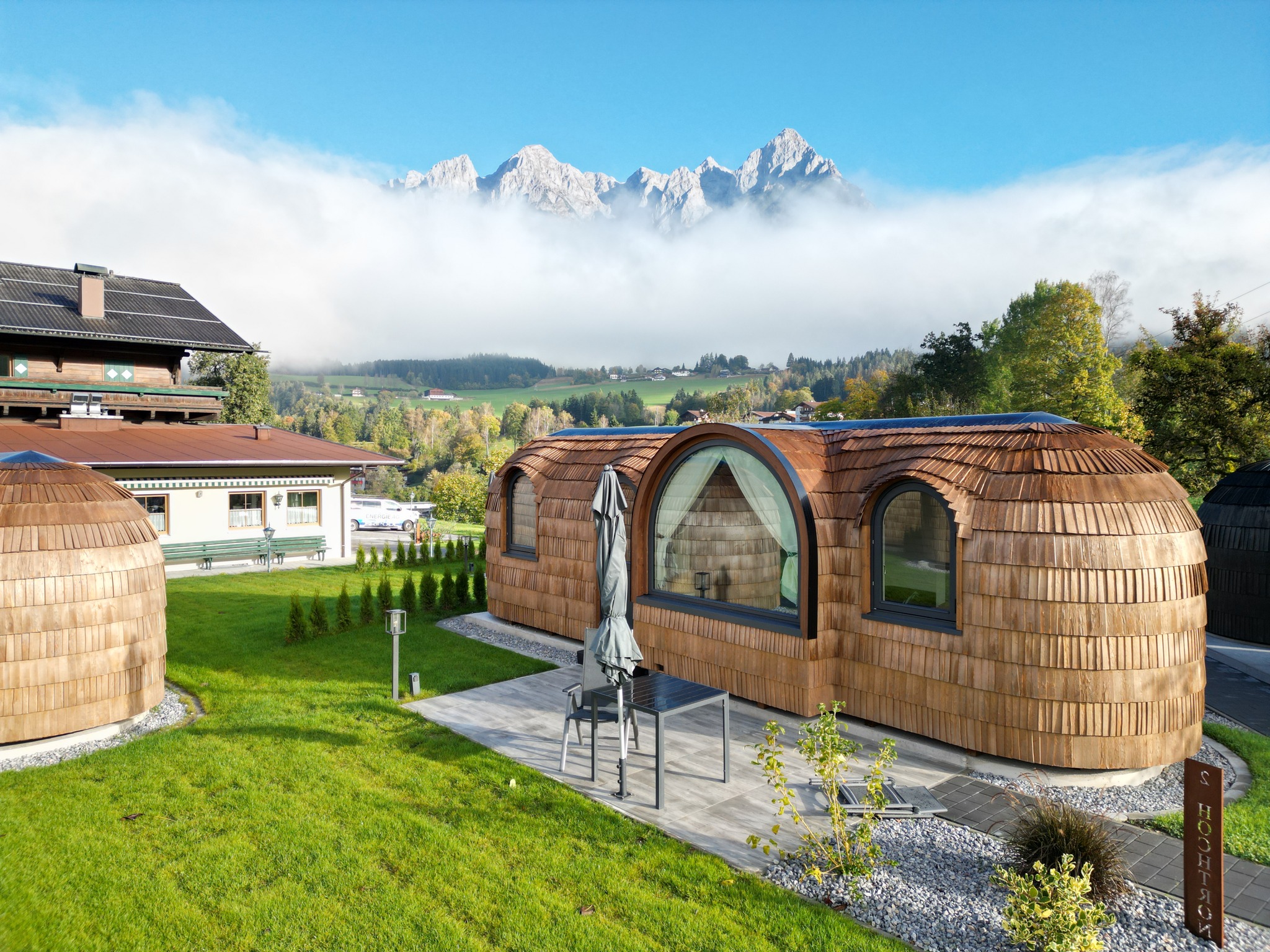
Iglucraft is one of those companies that look like they quietly stepped out of a fairy tale, then plugged straight into the modern prefab world. From a workshop in Estonia, the brand builds small cabins and saunas with curved silhouettes and thick coats of wooden shingles, mixing old shingle craft with clean Nordic interiors and plug-and-play practicality.
Estonian roots and shingle craft
At the heart of Iglucraft is a very traditional skill set. The company works with craftsmen who have revived a historic shingle production technique once used on barns, farm buildings and rural saunas in the region. Instead of flat cladding or industrial siding, each structure is wrapped in overlapping spruce shingles, laid by hand in multiple layers. This gives the huts their textured, almost storybook appearance, but it is also a serious weather skin designed to shed rain, snow and wind for years.
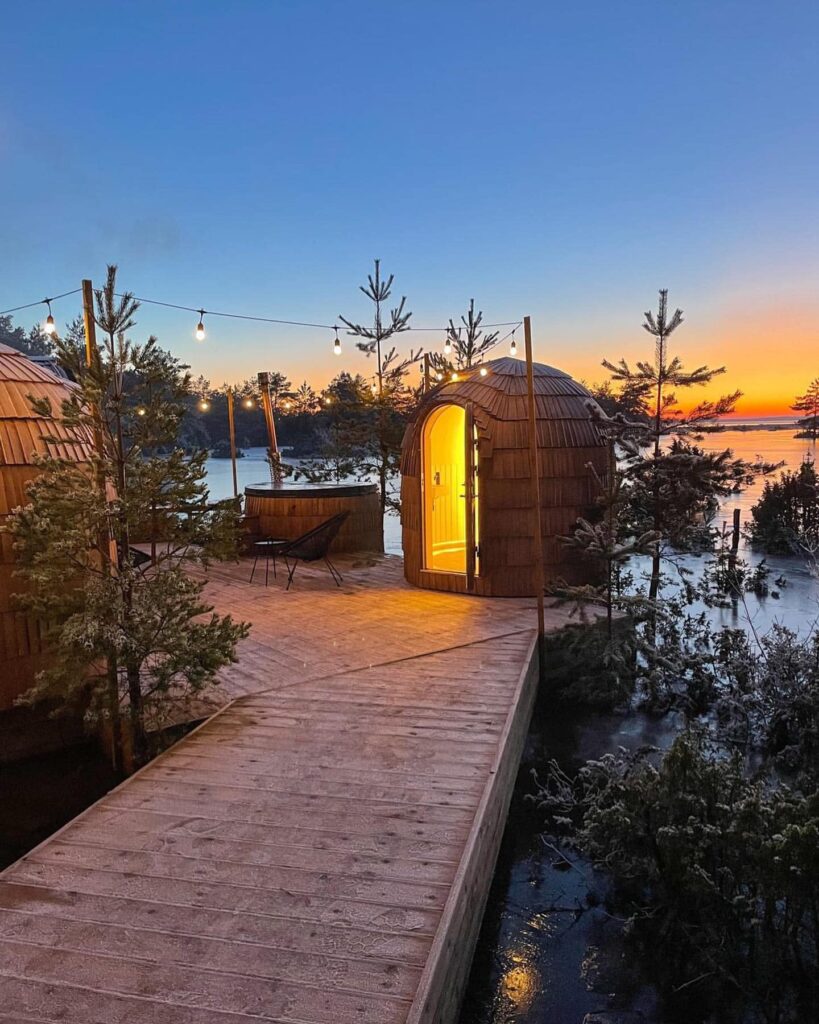
The idea is simple: use methods that worked for farmers centuries ago, then apply them to tiny houses, guest cabins and saunas that match modern expectations for comfort. The brand talks a lot about roundness and the absence of sharp corners, tying the igloo-like shape to a more natural, flowing way of inhabiting space than in typical boxy buildings.
Rounded silhouettes, natural materials
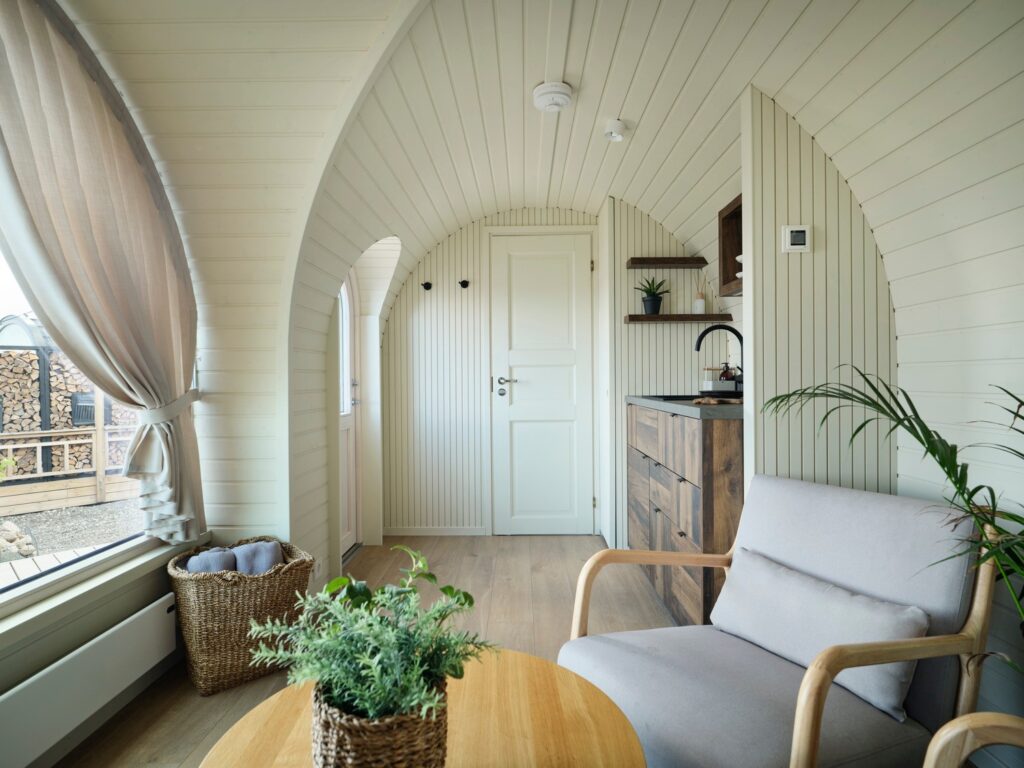
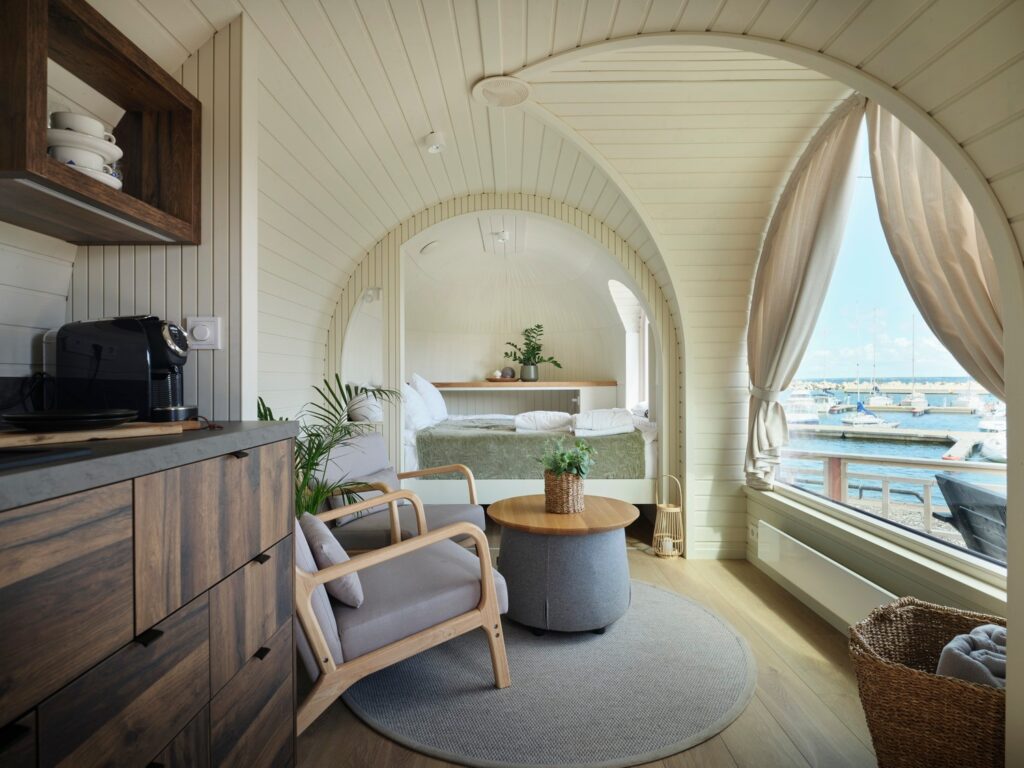
Every Iglucraft unit starts with a timber frame, then gets that distinctive arched roof and curved body. Outside, spruce shingles form a protective shell that can be finished in different tones, from warmer wood stains to darker, more dramatic shades. Inside, the mood flips to light and calm, with interiors usually lined in aspen or other pale woods, simple built-in furniture and discreet lighting.
The cabins are compact but carefully planned. Models generally fall into the small-space range, roughly from a bit over 10 square meters to around 20 square meters, depending on the configuration and number of segments. Several layouts combine sleeping space, a small kitchen, bathroom and a flexible living area in one flowing volume. The curved ceiling and continuous cladding mean there are no hard breaks between zones, which gives these tiny floor plans a softer, more unified feeling than many rectangular micro homes.
Iglusaunas: steam in a wooden shell
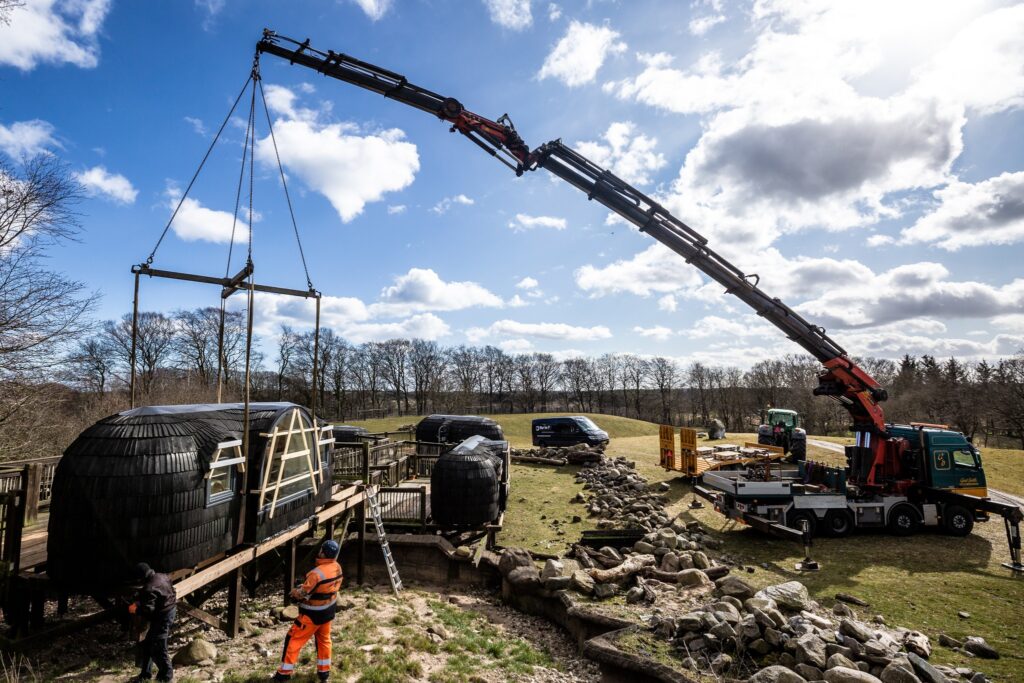
Iglucraft actually started with saunas before expanding into cabins and offices, and the sauna range still feels like the core of the brand. The Iglusauna line comes in several sizes, from compact models for four people to larger versions that can include a steam room, washroom and changing room in one combined pod. All are prefabricated, shipped as finished units and craned into place ready for connection.
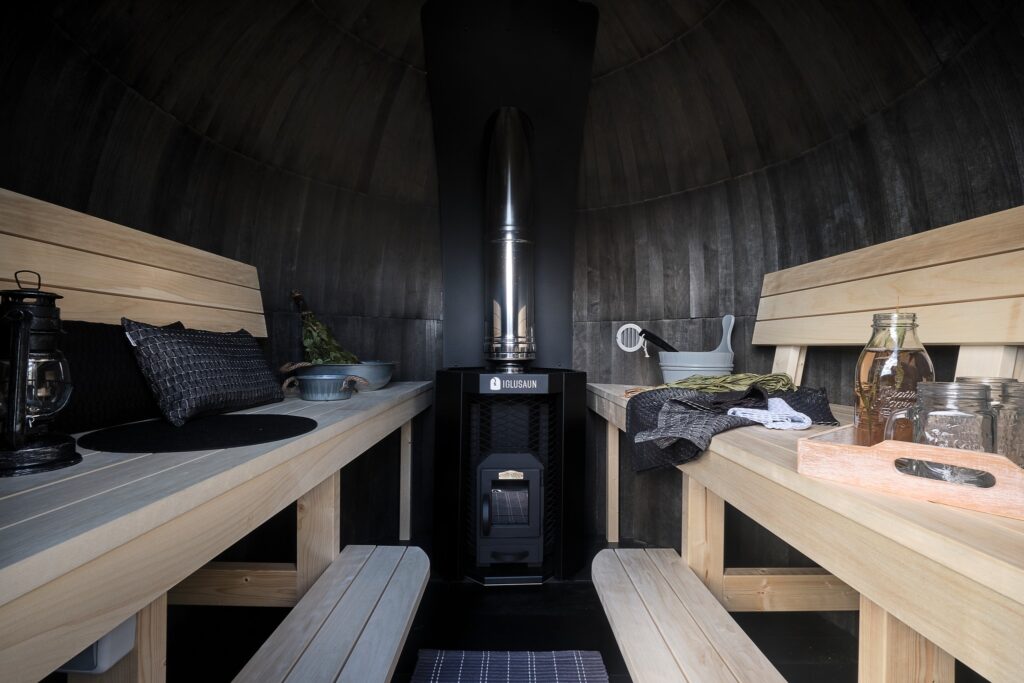
The round form is not just a visual trick. Steam behaves differently in a curved room than in a standard rectangular box. In a flat-walled sauna, hot steam tends to hit corners and bounce back in a single, harsh wave. In Iglusaunas, the domed ceiling and continuous curve help the steam roll and circulate more evenly, which creates a softer, more enveloping heat. Customers can usually choose between a wood-fired stove and electric heater, keeping the traditional ritual or opting for a more straightforward plug-in solution.
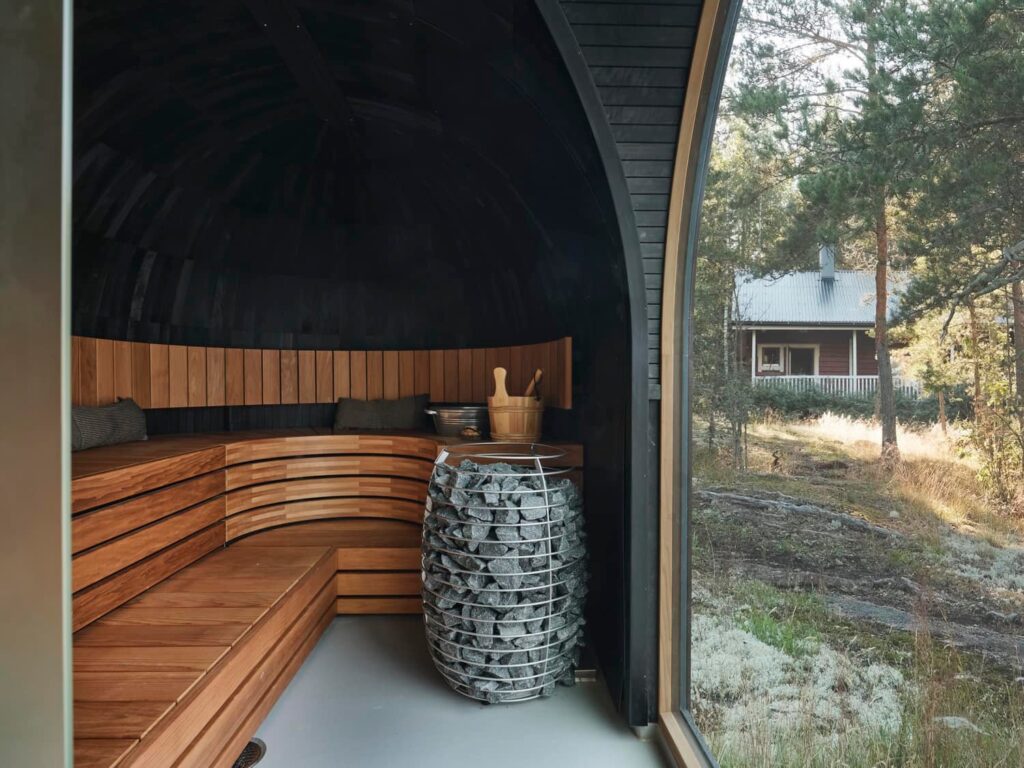
Over the years, these pods have ended up in private gardens, lakeside retreats and high-end hospitality projects. The same design appears in campsites and small spa resorts that want a strong visual focal point with minimal building work on site.
Cabins for tiny living, work and glamping
On the cabin side, the Igluhut range follows the same language: curved shape, shingle coat, timber interior. The huts are modular, their names often reflecting how many segments are linked together and whether a large panoramic window is included. Some models serve as simple sleeping cabins. Others function as small houses, with a kitchenette, bathroom and a sitting area that doubles as extra sleeping space.
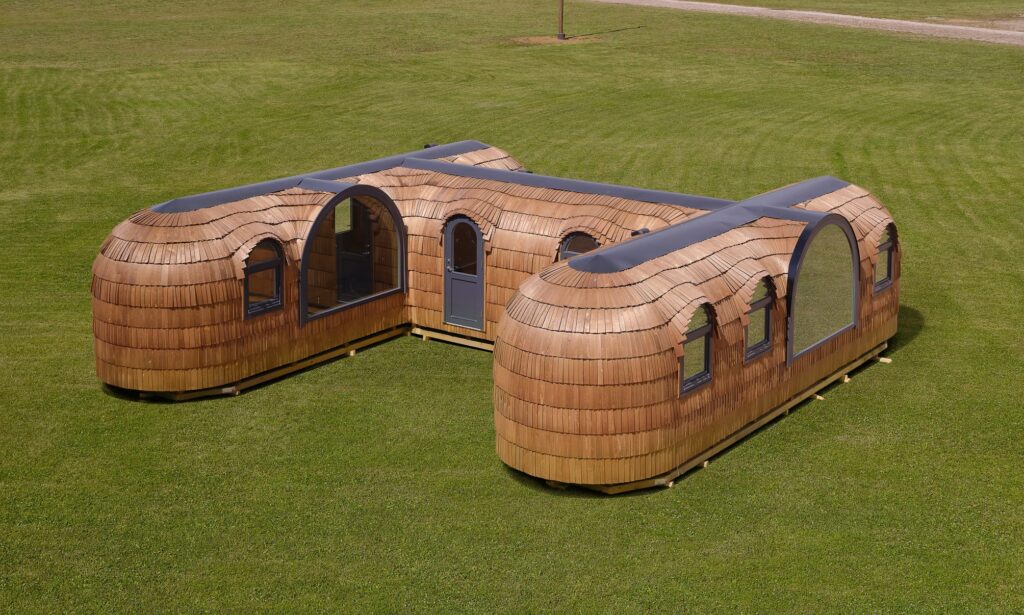
Because each unit leaves the factory fully assembled, the cabins sit in a flexible zone between architecture and product. They can be installed in a back garden as a guest house or home office, lined up as a small glamping village, or placed in more remote landscapes as stand-alone hideaways. The aesthetic helps in all those scenarios: the shingle texture is rustic enough for countryside sites, while the clean interior and consistent exterior geometry also work in tighter, more urban plots.

Climate is not much of a limitation either. The combination of layered shingles, insulation and compact volume makes the pods suitable for very different conditions. Finished Iglucraft projects are found in windy coastal sites, cold northern settings and sunnier regions further south in Europe, all using the same basic building logic.
From niche hut to recognizable silhouette
In a crowded prefab market, Iglucraft has carved out a clear niche. The brand does not chase radical experimentation or ultra-minimal cubes. Instead, it doubles down on a strong, instantly recognizable silhouette, a specific traditional craft and a controlled material palette. There is a bit of fantasy in the curved roofs and heavy shingle coats, but there is also a very grounded focus on function, durability and straightforward installation.
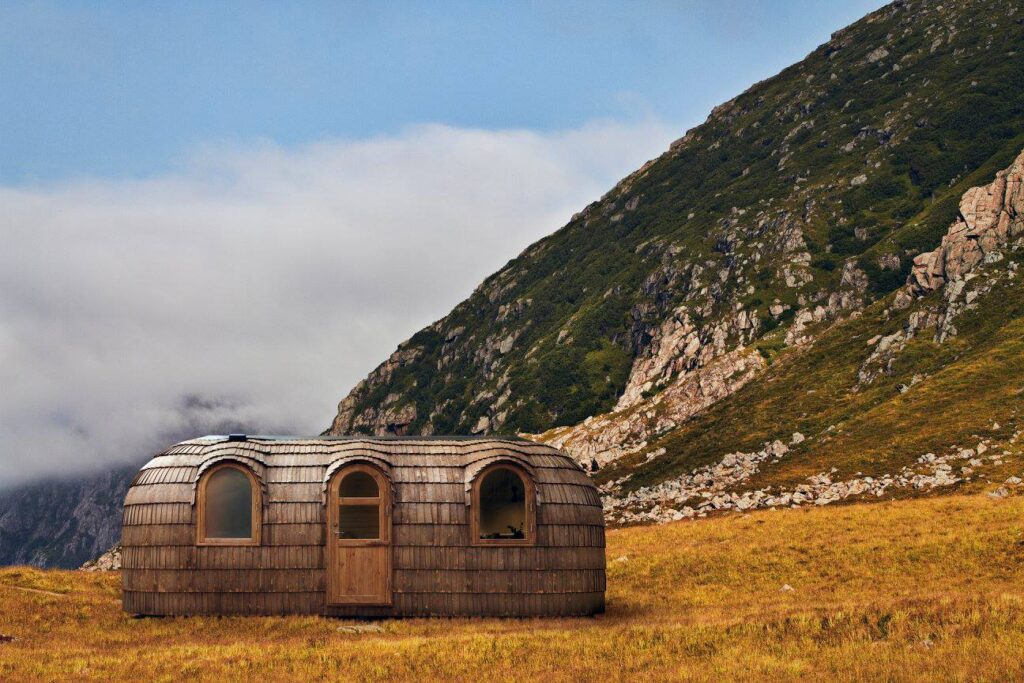
As glamping, small hospitality concepts and compact living continue to grow, these cabins and saunas keep showing up in new contexts. Whether used as a quiet sauna pod beside a lake or as a cluster of tiny houses on a hillside, Iglucraft’s combination of handwork, round geometry and Nordic practicality has turned a simple hut into a distinct micro-architecture brand.
Reply