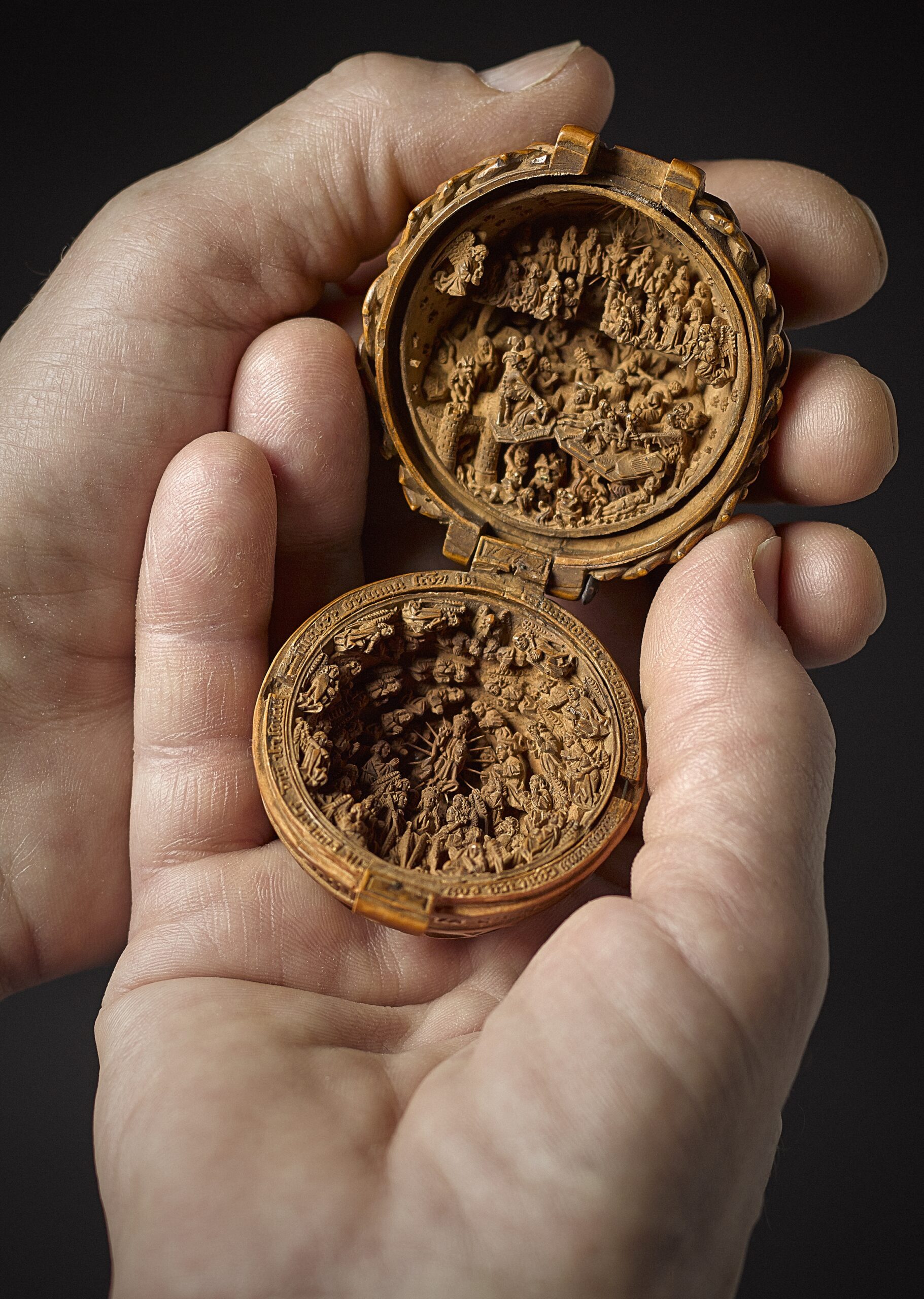
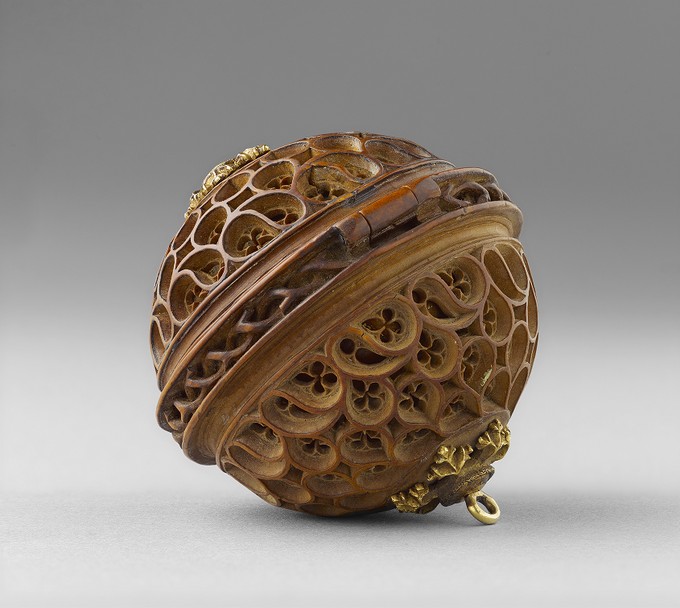
Sixteenth century Europe produced many forms of devotion, but the finest expressions were often small enough to fit in a closed hand. Boxwood miniatures from this period remain some of the most astonishing examples of technical skill in the entire history of woodcarving. These pieces were not simply decorative objects. They were engineered universes packed into spheres, beads, and tiny altarpieces that invited viewers to lean in and discover entire worlds hidden inside the grain.
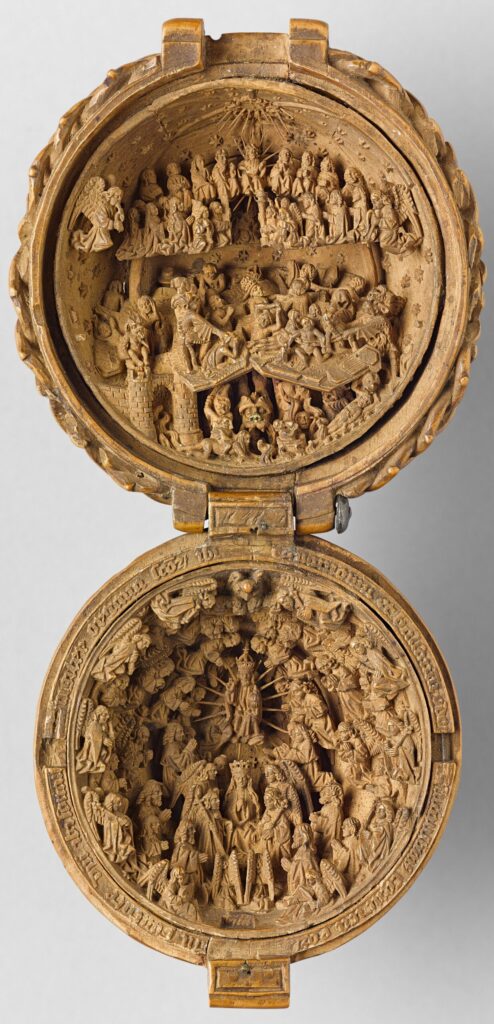
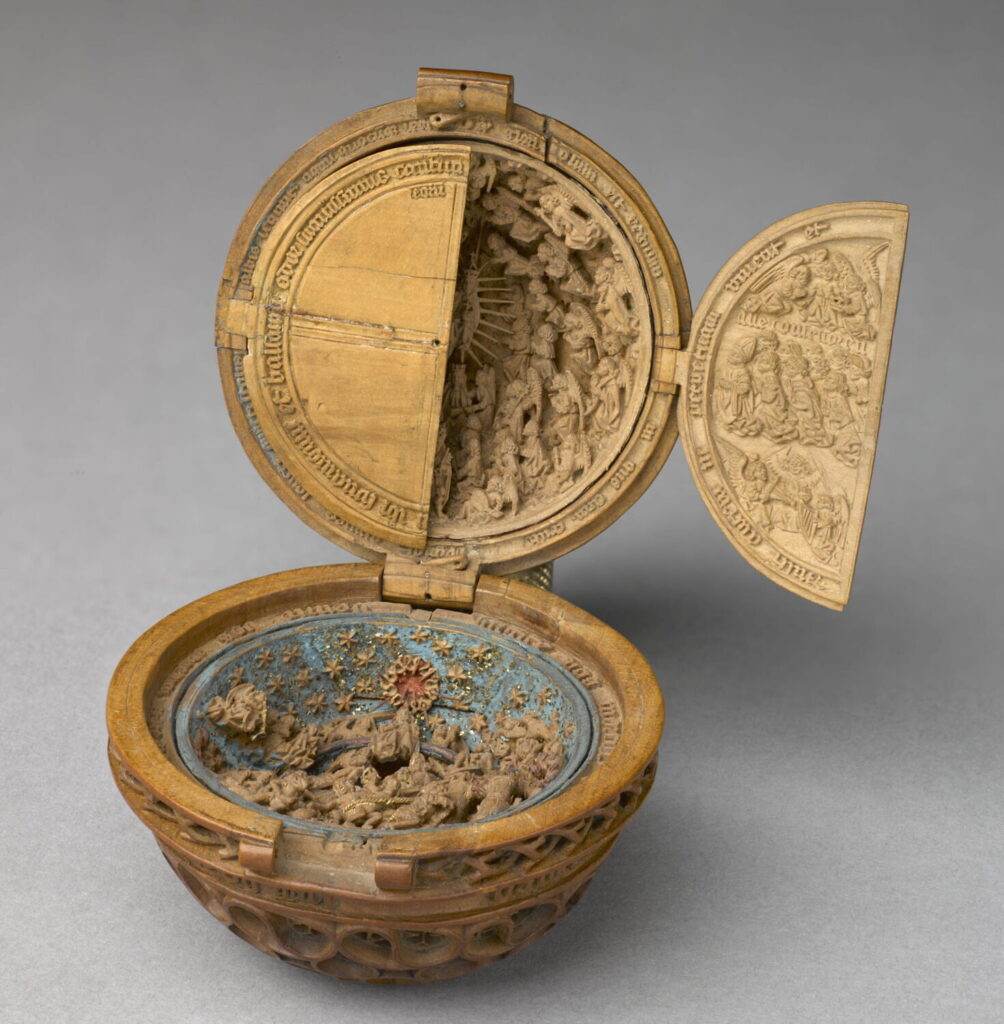
The appeal begins with the material itself. Boxwood grows slowly, forming a dense, smooth structure that can hold microscopic detail without crumbling. Medieval and Renaissance artisans valued it for its stability, but the carvers who flourished during the early sixteenth century pushed its potential to an extreme. They sliced the wood into layers that were almost paper thin, carved each slice by hand, and then reassembled the layers with such precision that seams seemed to vanish. This method allowed them to build deep spatial scenes inside impossibly small cavities.
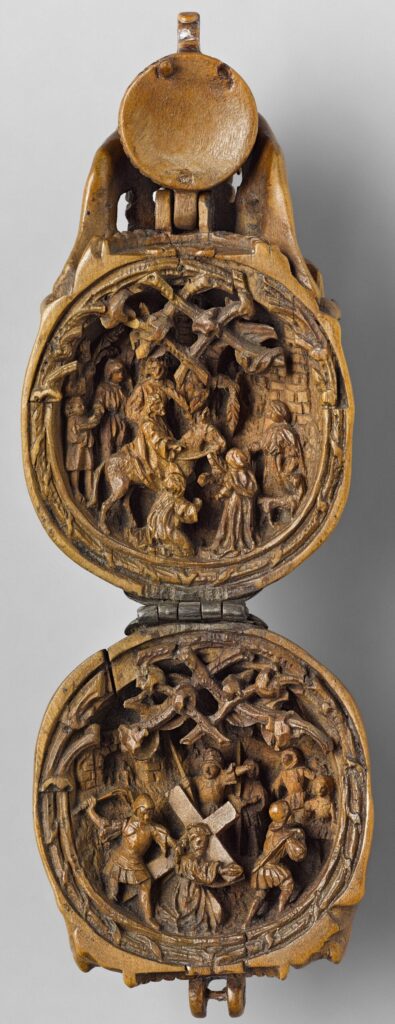
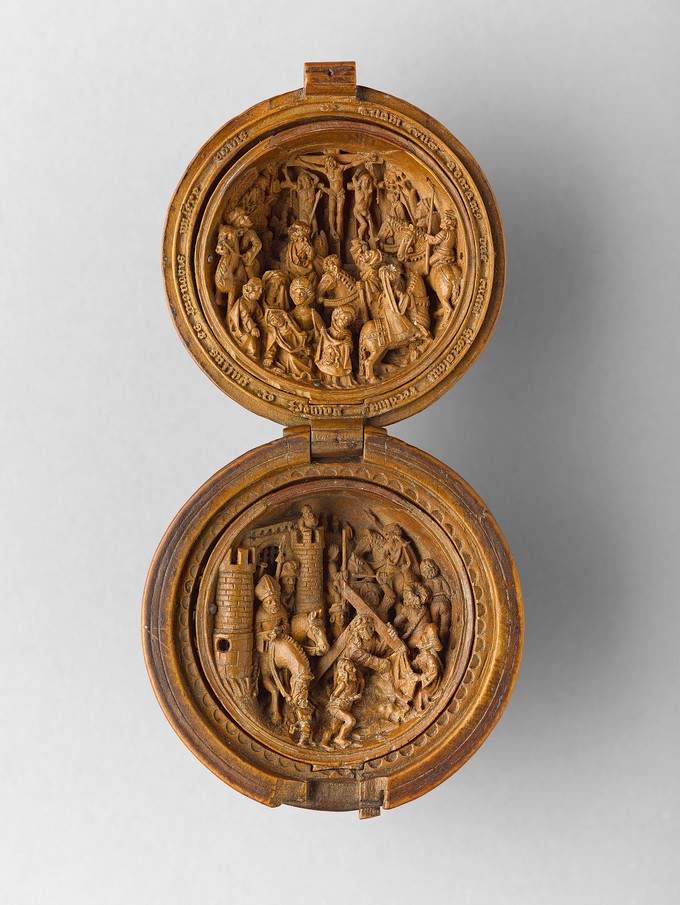
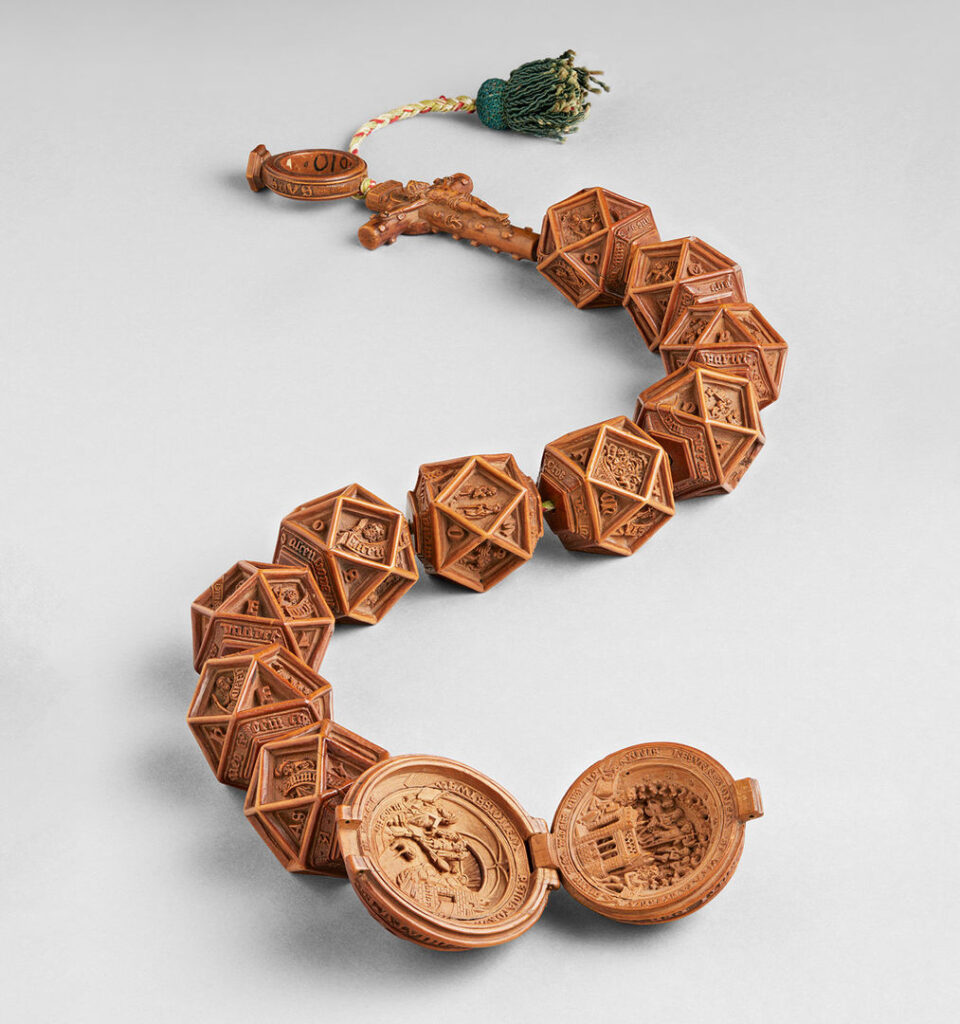
Because these objects were devotional, they often depicted familiar Christian narratives. Yet familiarity did not limit their ambition. Scenes of the Crucifixion, the Nativity, or the Adoration of the Magi were recreated with dozens of individual figures, each one expressive, each one in proportion. Portals opened into additional chambers. Curtains, gates, pillars, and staircases appeared with architectural clarity. Some pieces even included pivoting elements and closures that let the owner interact with the work and explore it like a tiny cathedral.
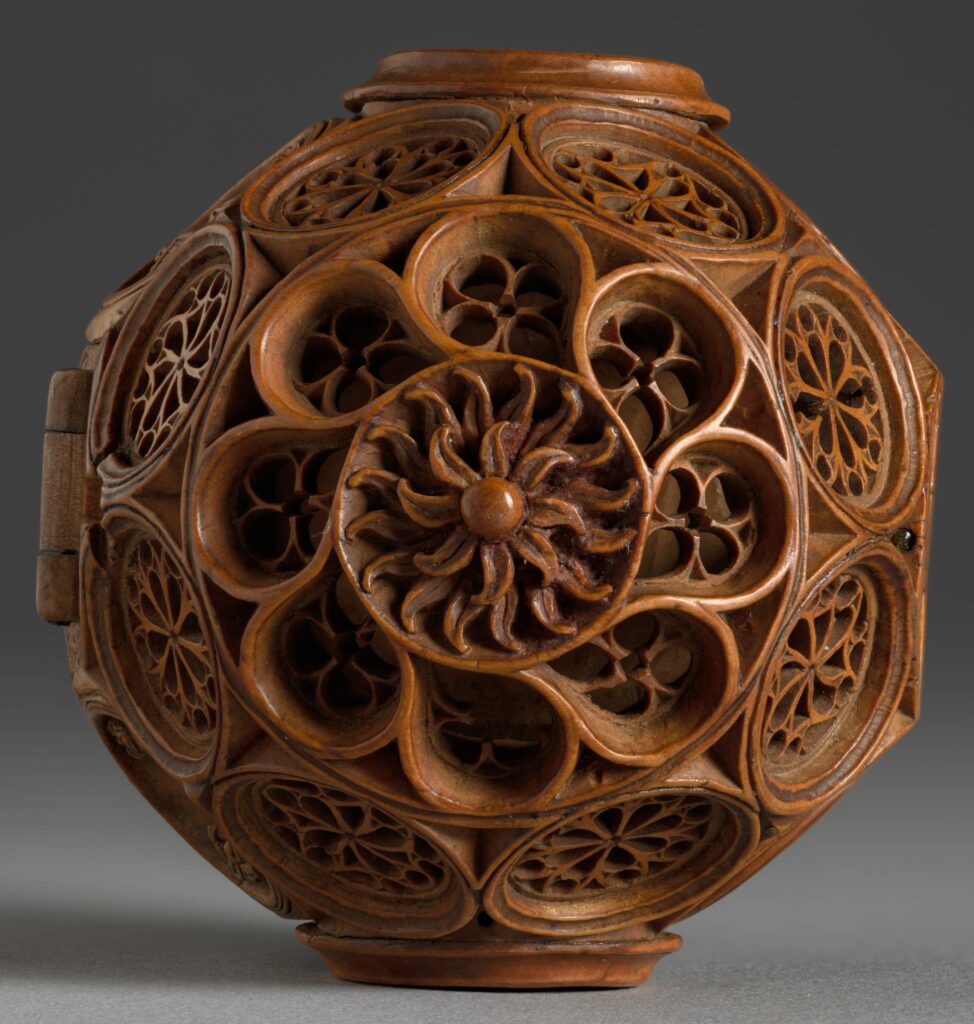
What makes these carvings even more remarkable is the mystery around their makers. A few names appear in records, but the best surviving works suggest a small cluster of virtuoso artisans probably working in the Low Countries. Their tools were custom made, often more like surgical instruments than woodworking knives. Their eyesight and control had to be exceptional. Modern conservators studying these pieces under microscopes still struggle to understand how such consistency was possible without magnification.
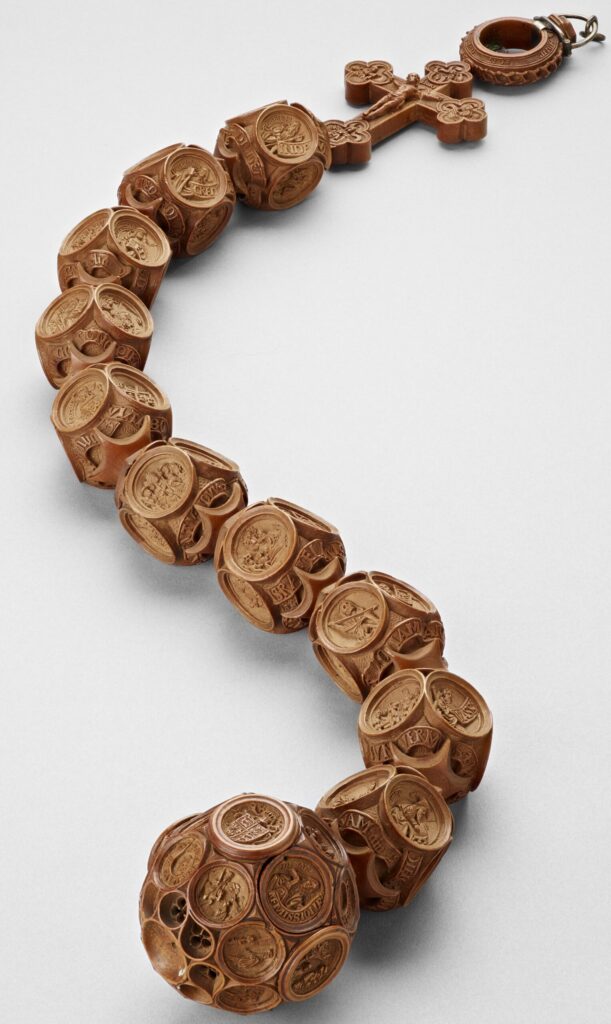
The complexity inside these carvings reflects more than skill. It also mirrors the culture of the time. Wealthy patrons wanted portable objects that expressed religious devotion in a personal way. A boxwood miniature could hang from a rosary or rest in a private prayer corner. When opened, it created an intimate space that encouraged contemplation. These objects were private worlds crafted to guide the mind inward.
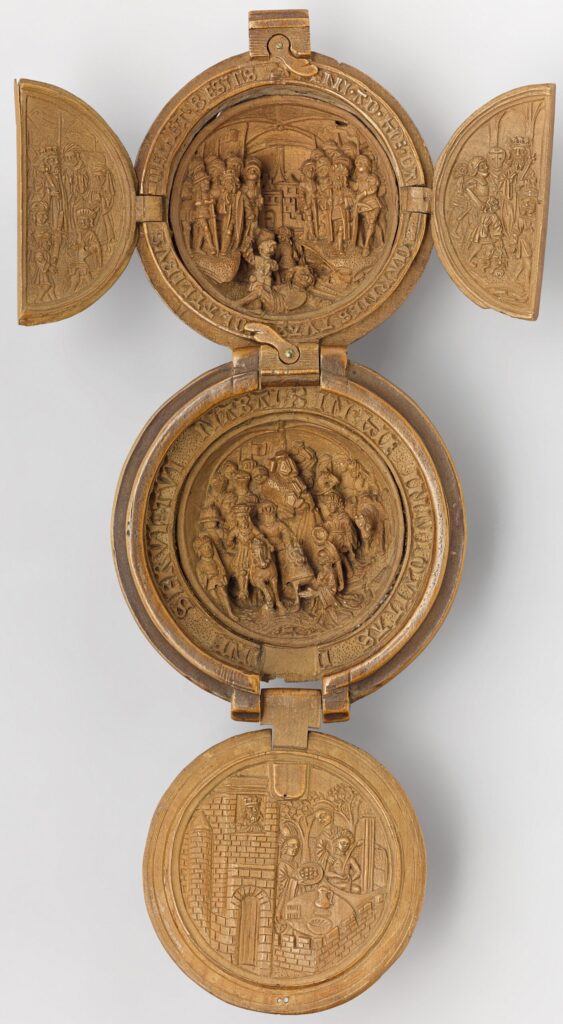
Today, only a few dozen complete examples survive, largely because the work was so delicate. Museums treasure them as rare intersections of art, engineering, and spiritual practice. Their survival is a reminder that innovation did not begin with modern machinery. Centuries ago, artisans used patience and precision to bend one of the hardest woods into chambers filled with life, story, and structure.

They remain among the most captivating carvings ever created. Not because they are small, but because their smallness holds so much.
Reply