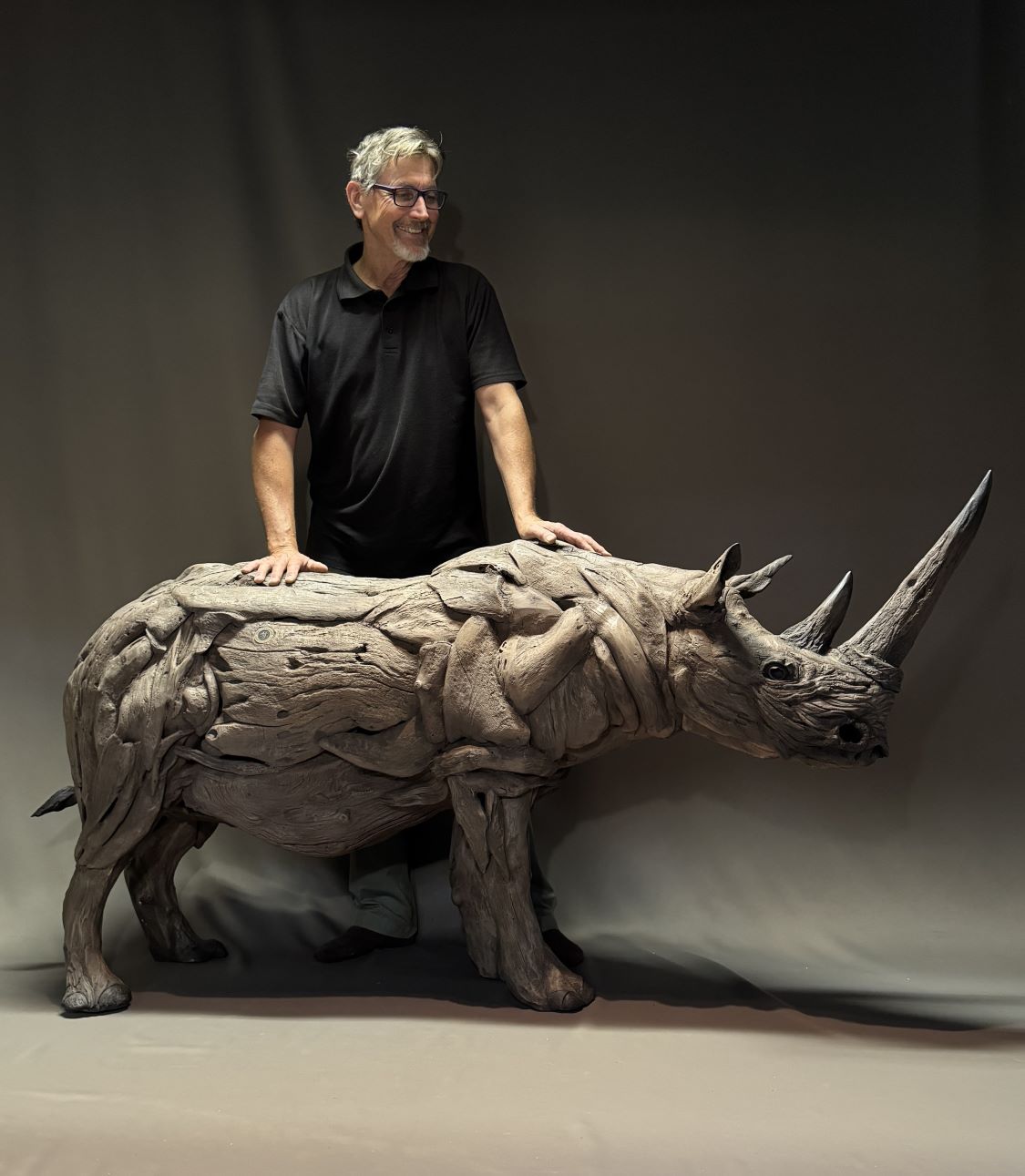
South African artist Tony Fredriksson has built a reputation for turning discarded driftwood into expressive, lifelike sculptures. Born in Harare on 8 July 1959, he studied at Eastbourne College of Art and Design in the UK before eventually settling in South Africa. Over the years he moved through graphic arts, fish illustration and even taxidermy, yet driftwood became the material that defined his artistic identity.
How driftwood became his medium
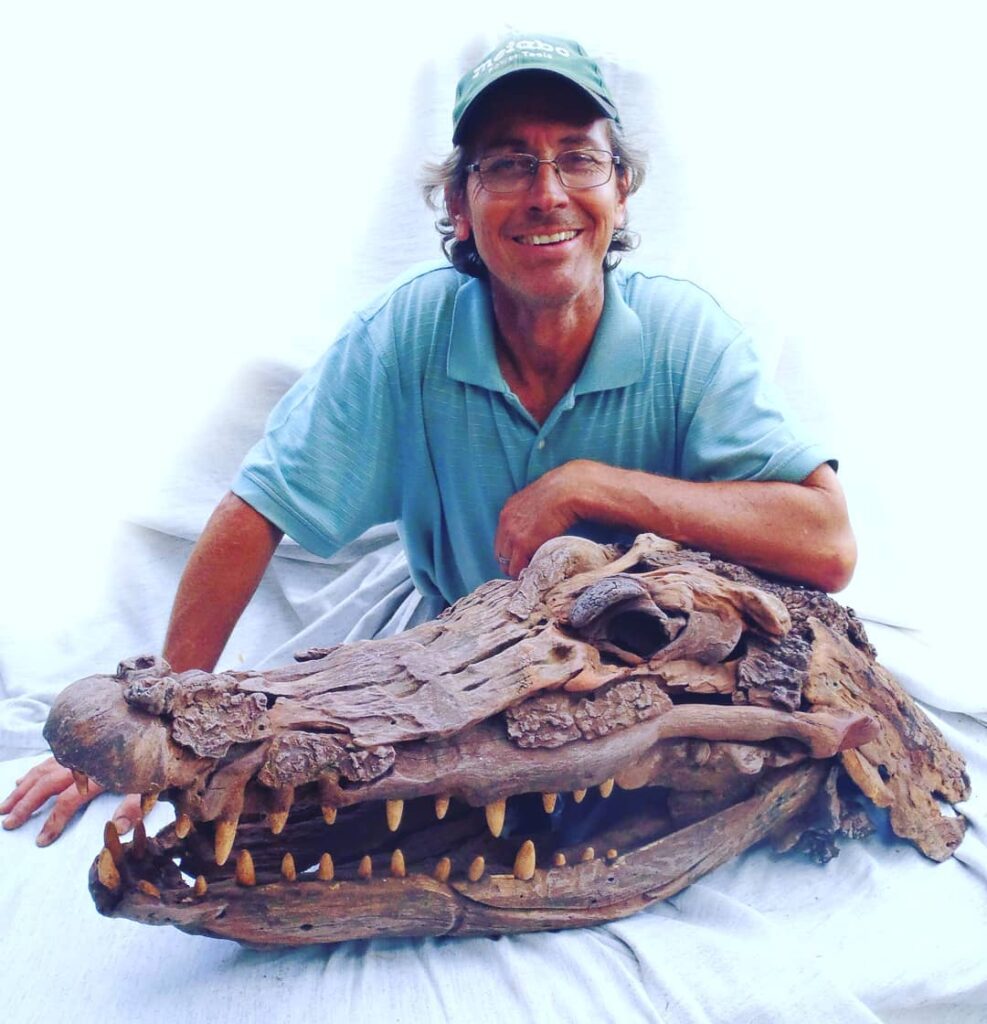
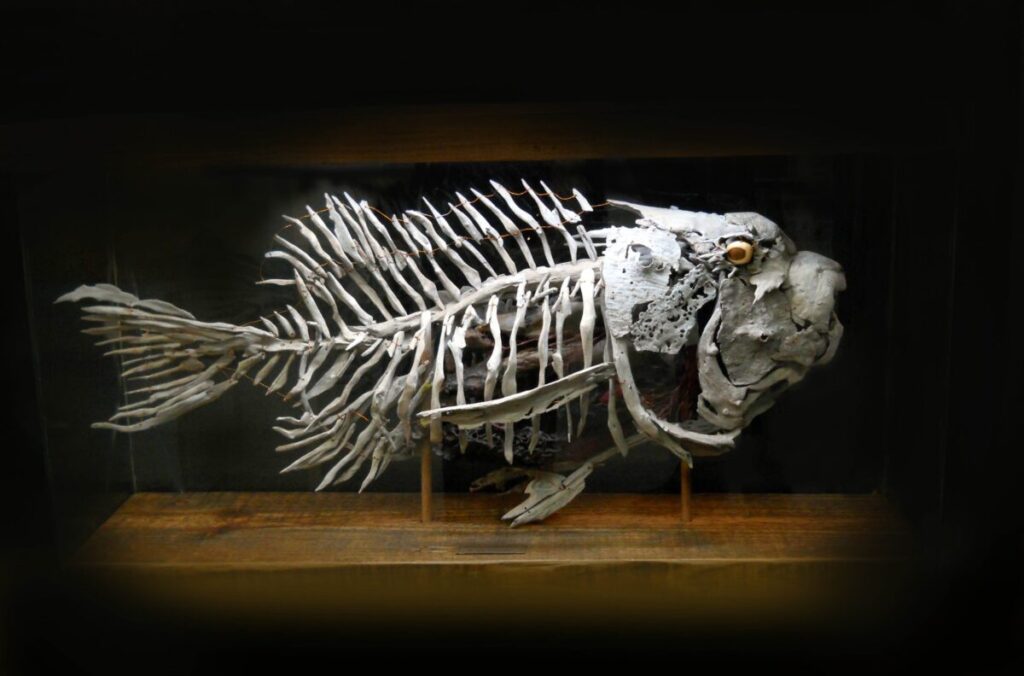
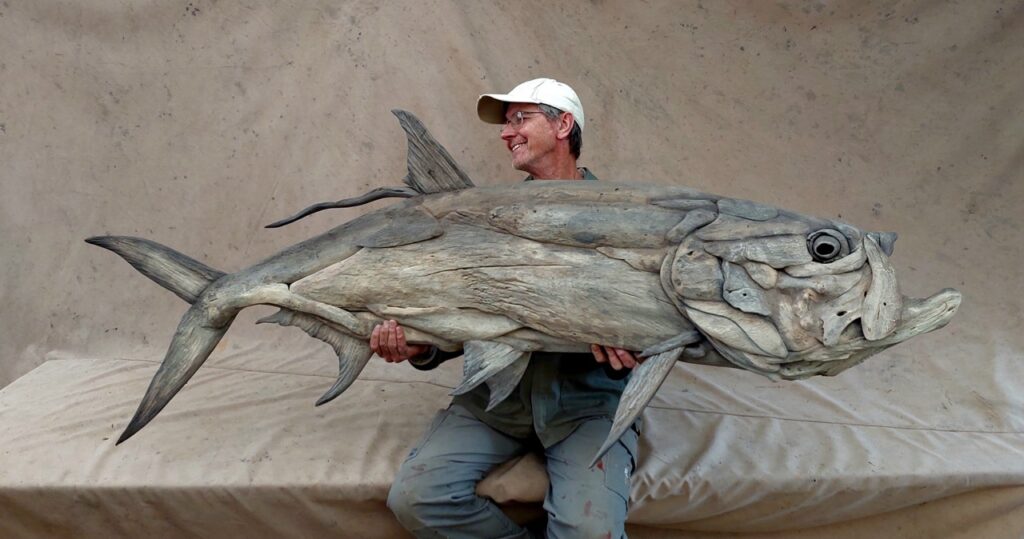
Fredriksson’s shift toward driftwood began almost by accident. While experimenting with weathered wood offcuts, he created a lionfish sculpture that opened the door to a new creative direction. The piece captured the attention of galleries, and by 2010 he held a solo exhibition featuring a full collection of driftwood fish. The show sold out, marking a clear turning point in his career.
Driftwood appealed to him not only for its texture but also for the way time and weather shape it. He has described the material as endlessly surprising, since every branch or root carries its own natural form. Instead of carving a shape from a solid block, he works with what nature already produced. This approach gives each sculpture a sense of movement and character straight from the shoreline.
The process behind the sculptures
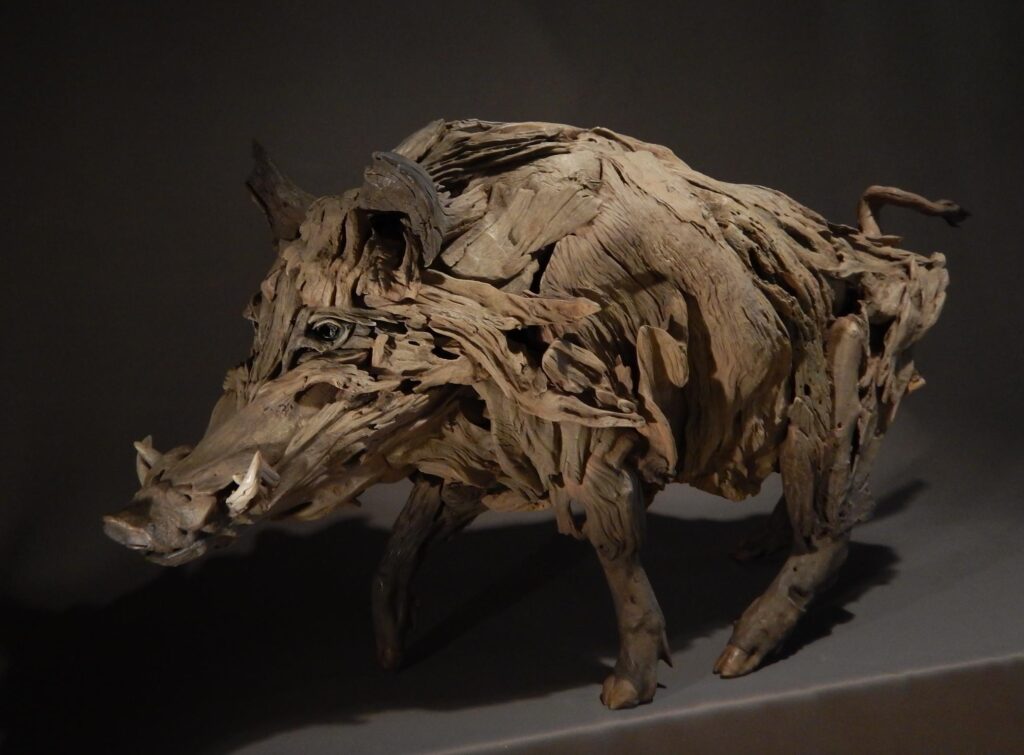
Fredriksson starts by searching beaches, riverbeds and bushland for pieces with unusual bends, knots or grain. A branch might become part of a fin, while a twisted root can resemble the curve of a spine. After selecting the components, he sketches the intended subject and then assembles the structure using screws, wire or glue.
He uses only dead and discarded wood. Nothing is taken from living trees, which reflects a practical and environmentally conscious workflow. Once a sculpture is shaped, he sands or wire brushes the surface and often adds a matte finish. Before shipping, he freezes the wood for several days at around minus 25 degrees to neutralize insects that may still be inside. This step is crucial, especially for international buyers, since many countries require the material to be fully treated.
Subjects and inspiration
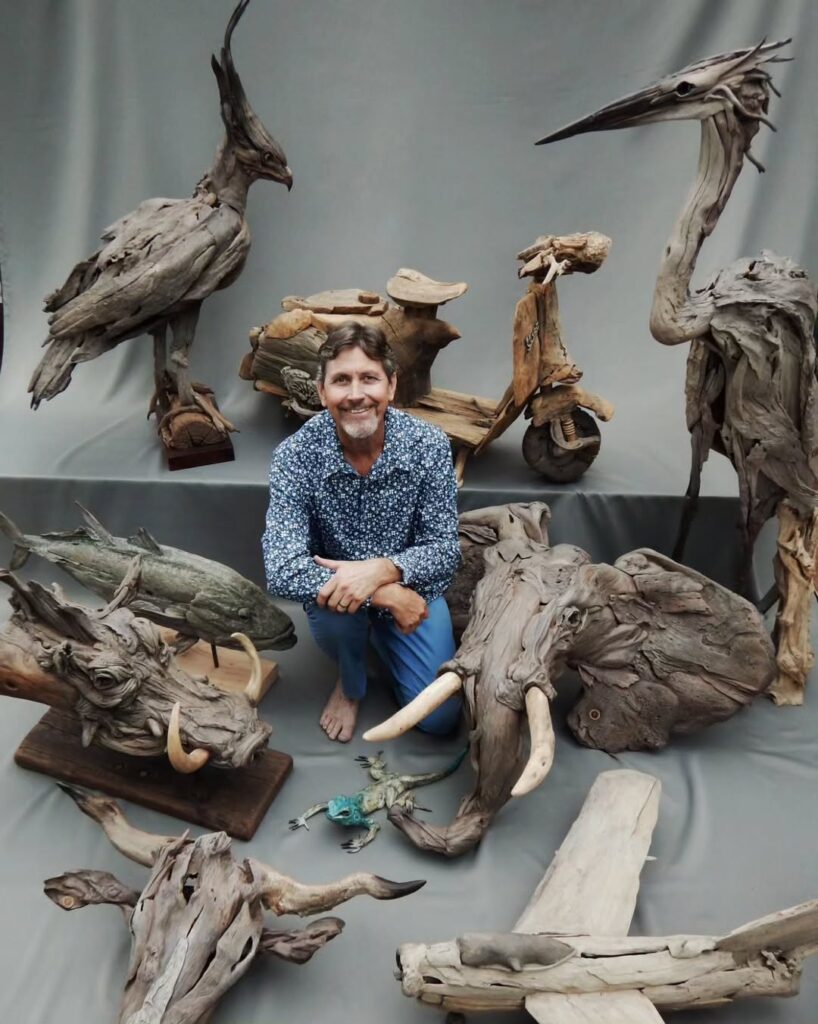
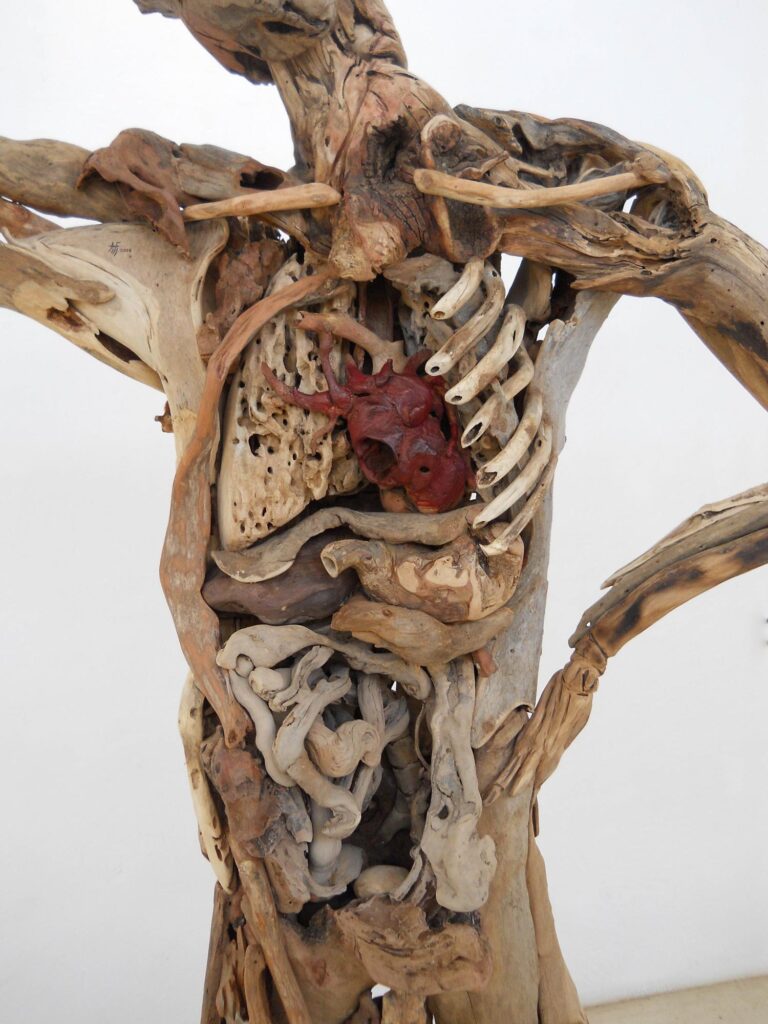
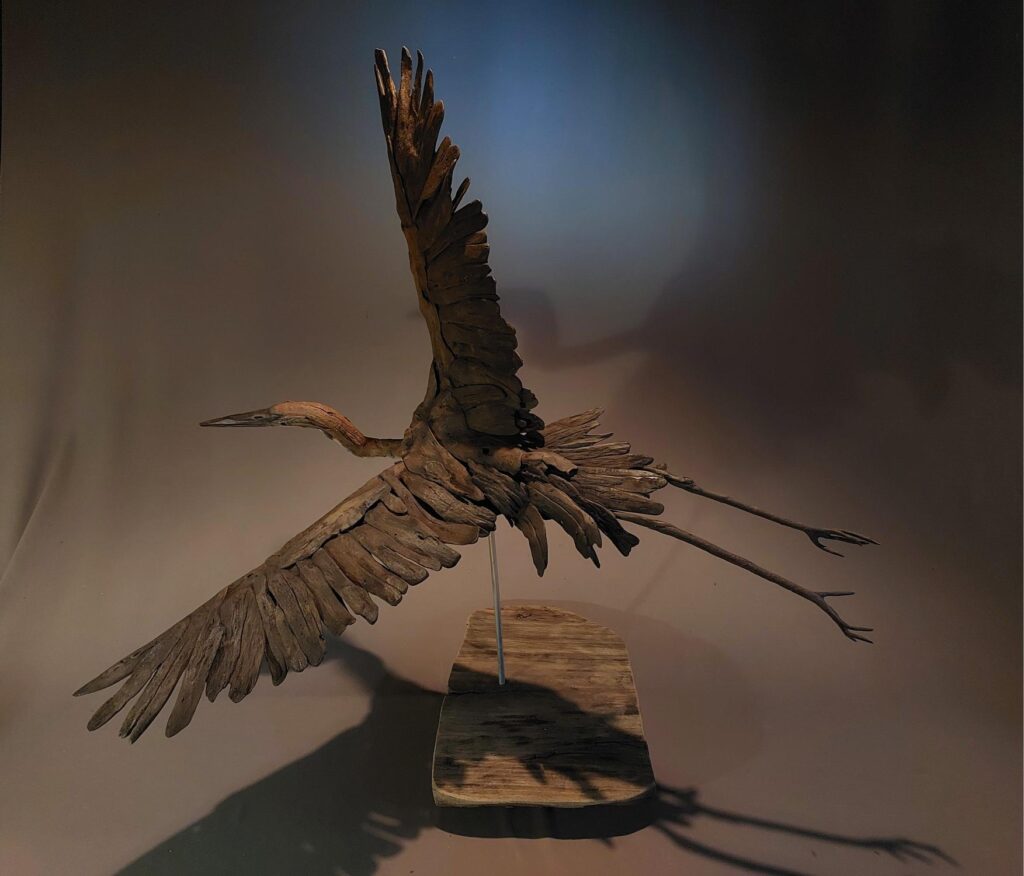
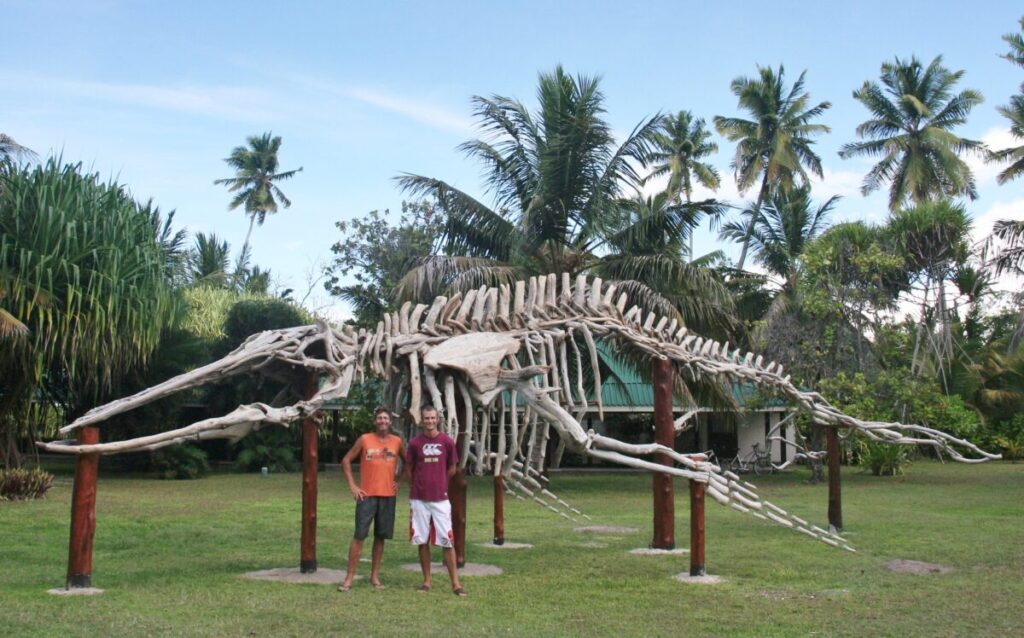
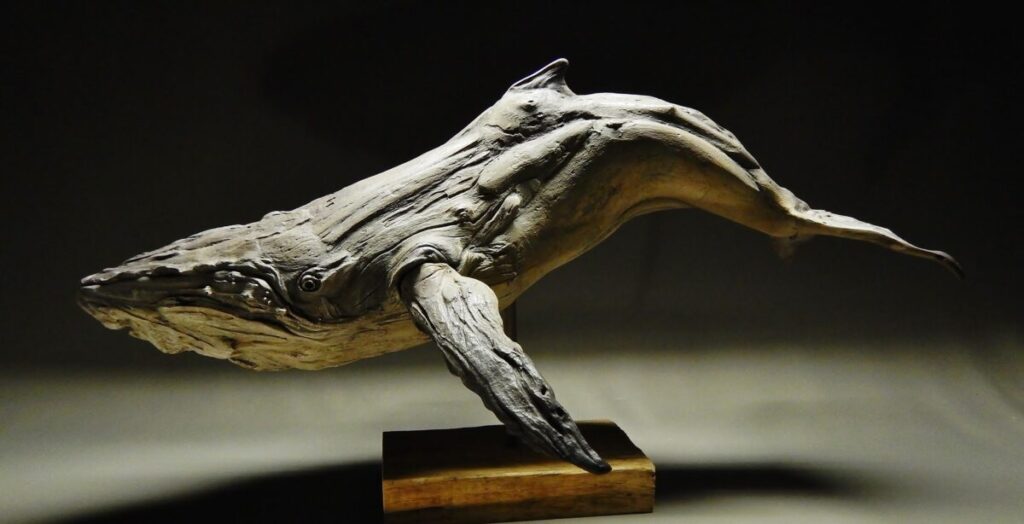
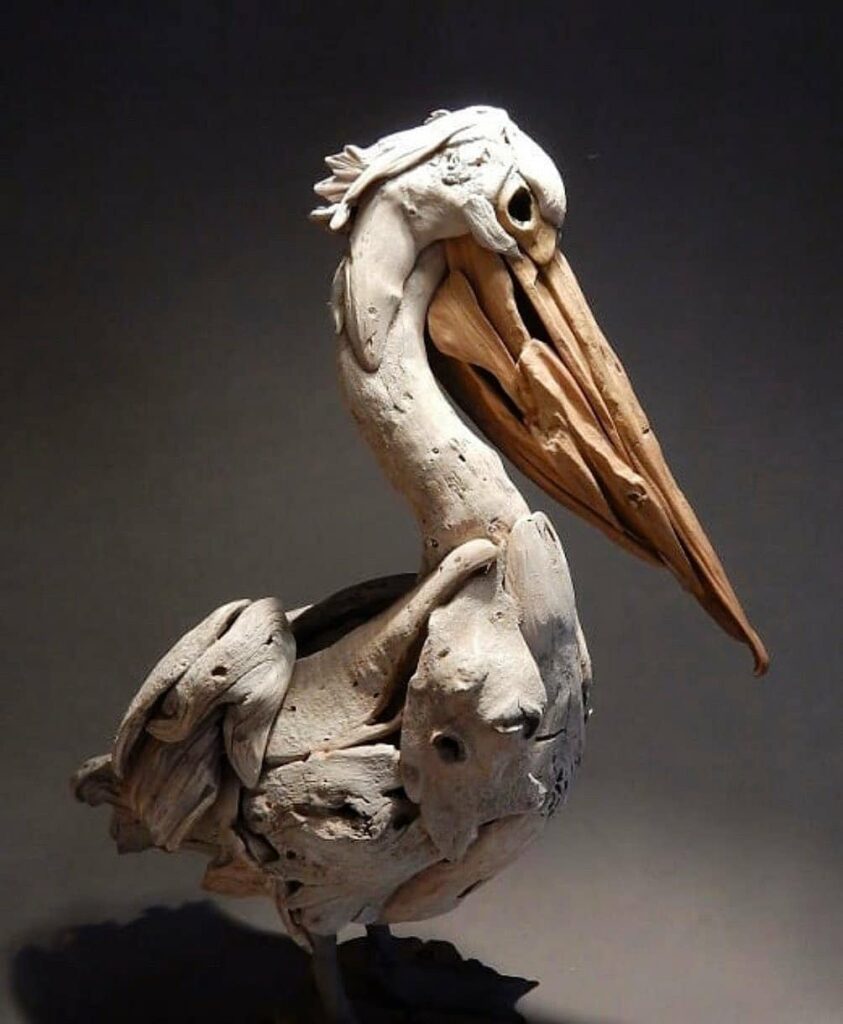
Although his earliest recognition came from his driftwood fish, Fredriksson does not limit himself to marine life. His portfolio includes birds, antelope, insects, mechanical objects and human figures. Still, the sea remains one of his strongest sources of inspiration. Growing up around fishing communities shaped his understanding of movement and anatomy, and he continues to return to those themes again and again.
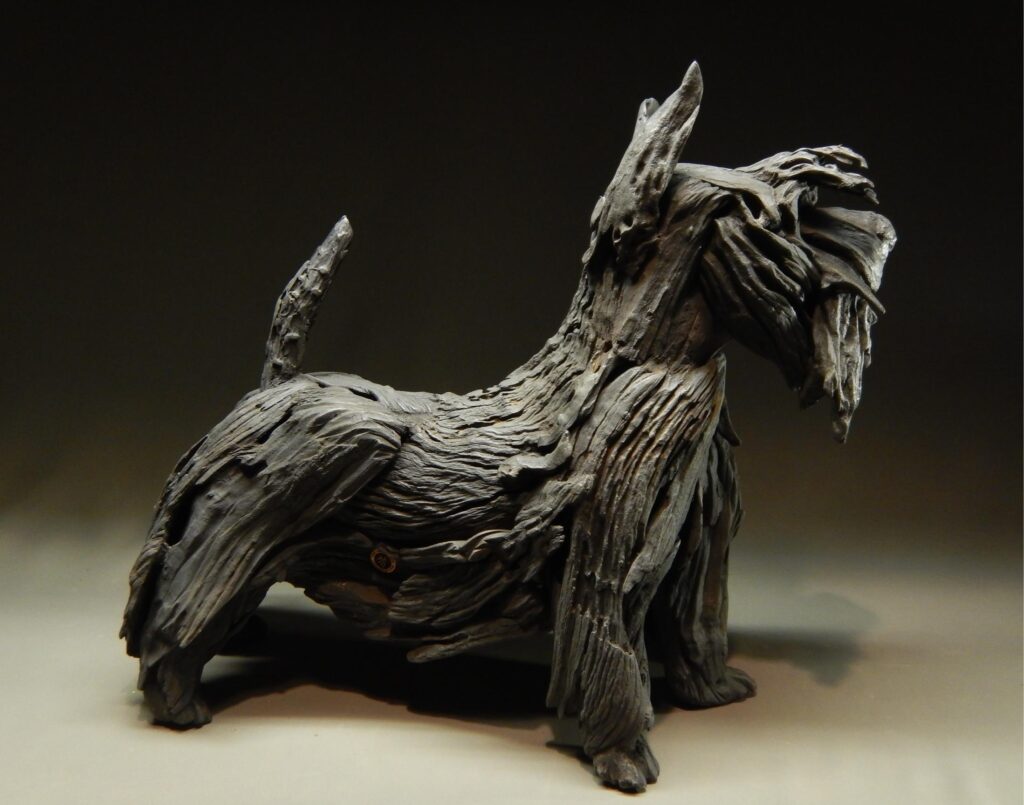
The appeal of driftwood also plays a role in shaping his subjects. The irregular surfaces, scars and textures provide natural starting points. Instead of forcing the material to match a sketch, he lets the wood suggest what it might become. This blend of intention and discovery gives his sculptures a distinctive rhythm.
Artistic significance
Fredriksson’s work stands out because it marries natural erosion with deliberate craftsmanship. Driftwood already holds a story. It might have spent years in the sea, washed downstream through storms or rolled across sand until smooth. By assembling these pieces into animal forms, he brings those stories into a new context.
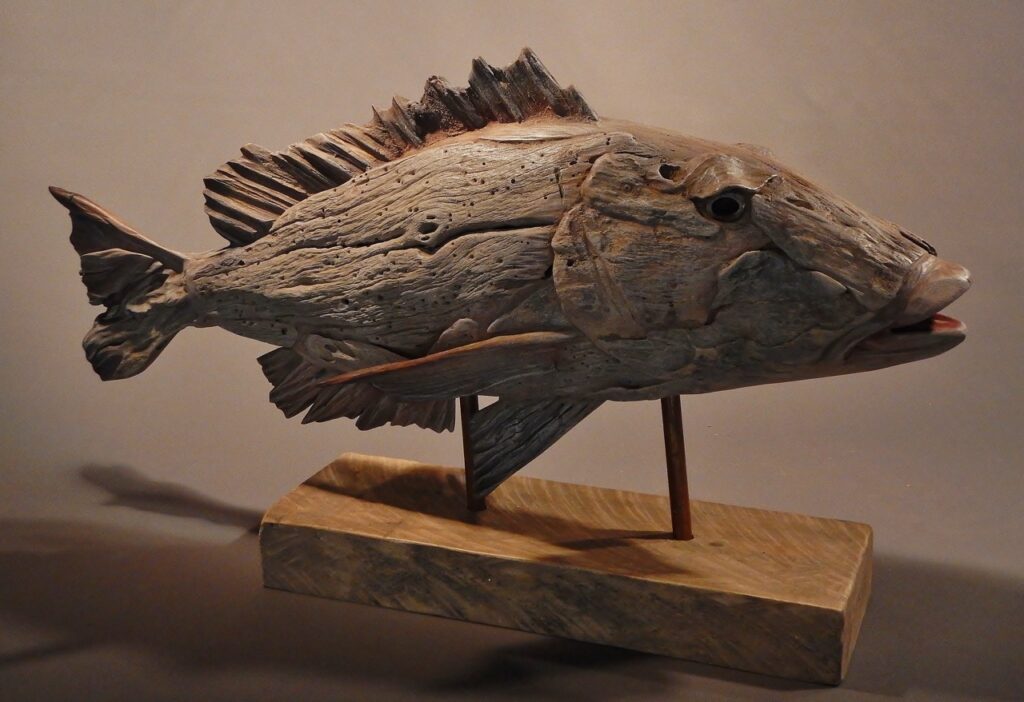
His sculptures also highlight sustainability. Driftwood offers a renewable and reclaimed material, avoiding the need to harvest fresh timber. This approach has earned him attention from collectors and galleries that value environmentally responsible art. His pieces have reached private collections around the world, including island resorts, marine themed spaces and contemporary art venues.
A body of work shaped by nature
Tony Fredriksson’s art is a reminder that remarkable form can come from weathered and overlooked material. He does not treat driftwood as scrap but as a partner in the creative process. Each sculpture balances what nature has shaped with what the artist sees beneath the surface. The result is work that feels alive, textured and quietly powerful.
His driftwood figures continue to attract interest because they are more than decorative pieces. They are compositions built from time, water and patience, interpreted through a steady hand and a sharp eye for detail.
Reply