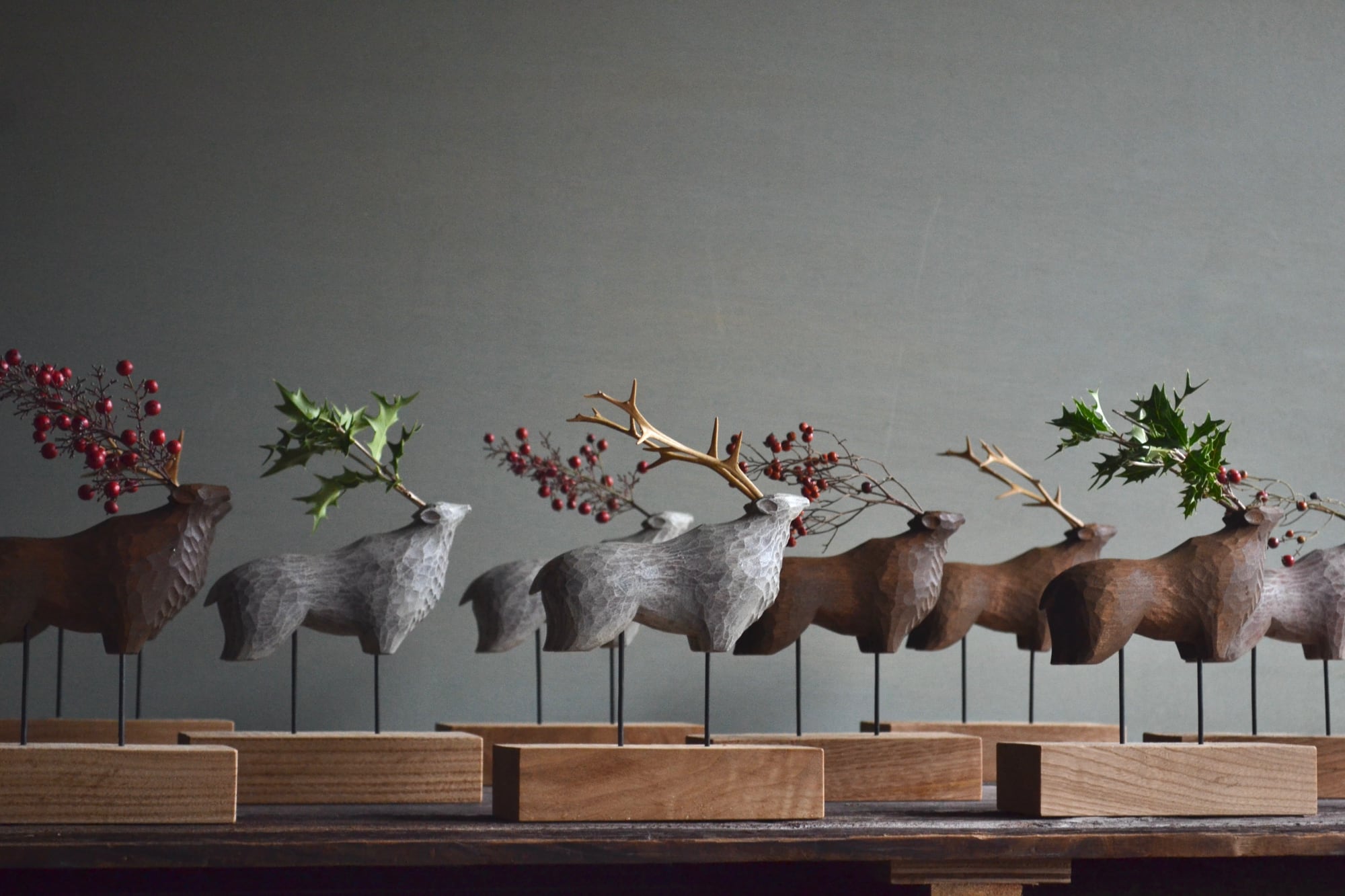
Kokemusu Mokkou is a Japanese woodworking studio led by sculptor Tomohiro Suzuki. Born in 1991 in Shizuoka Prefecture, Suzuki studied at Musashino Art University’s Department of Basic Design and later trained in a furniture workshop before establishing his own practice in 2016. The studio is based in Kyoto and focuses on hand-carved wooden sculptures that balance natural form and abstraction.
Artistic Direction
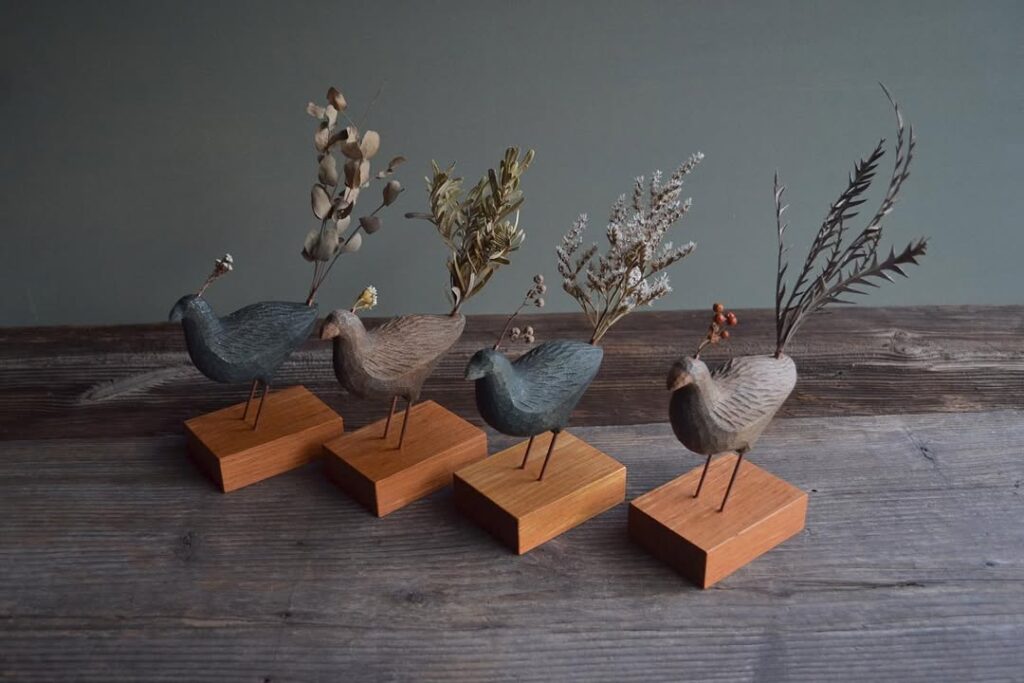
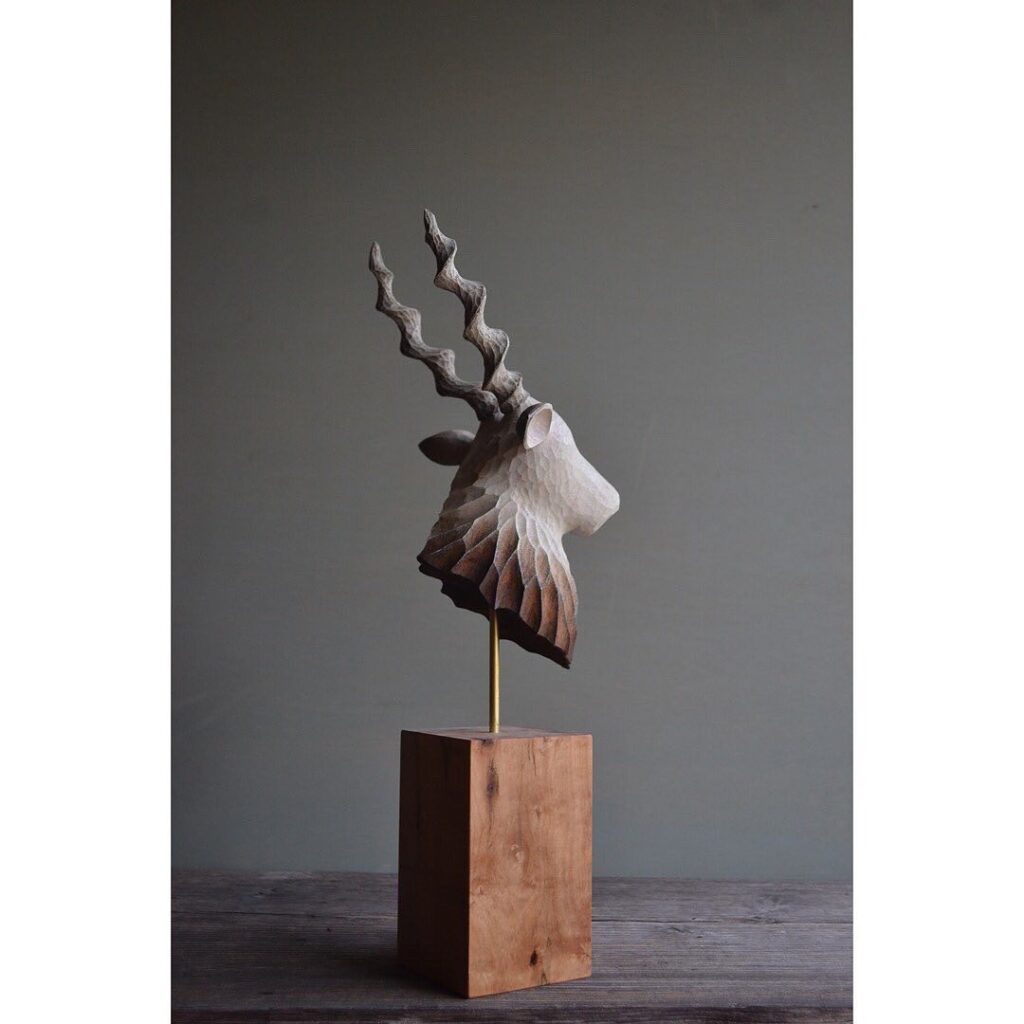
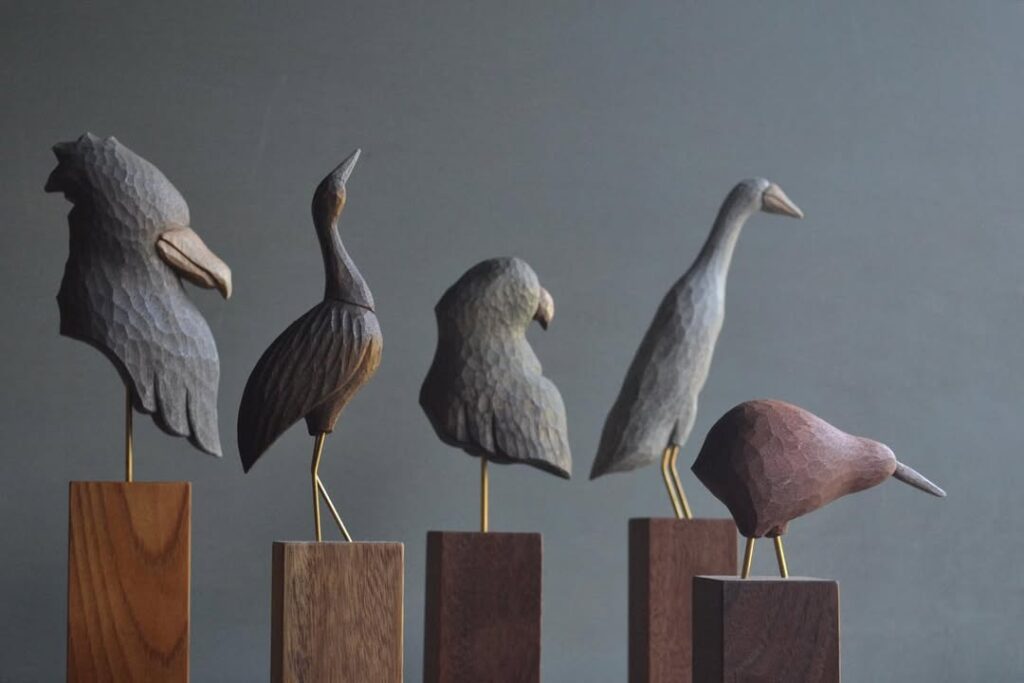
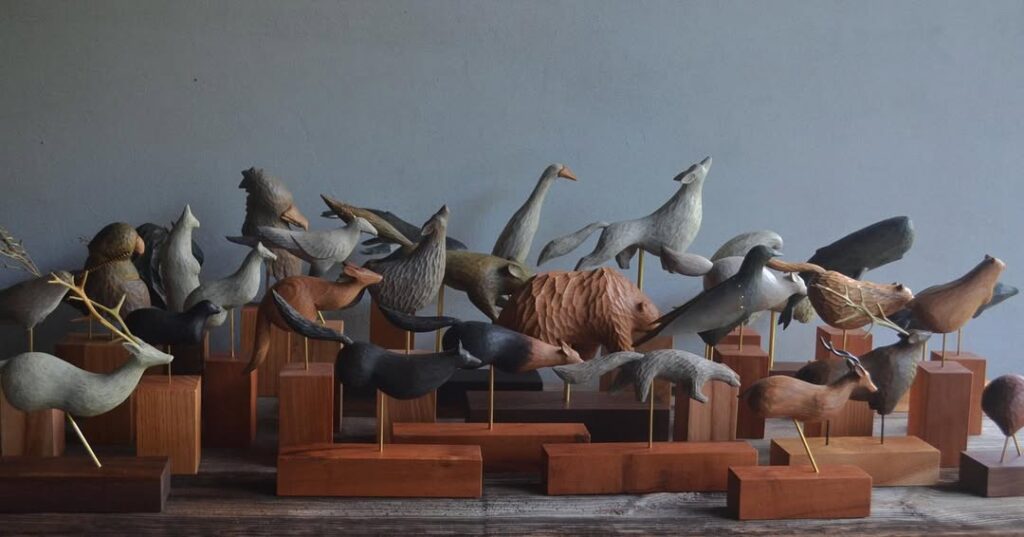
Suzuki’s work under the Kokemusu Mokkou name is known for its minimalist expression and textured carving style. He primarily works with walnut, shaping each piece from a solid block of wood. The figures, often depicting animals such as elephants, bears, or antelopes, are defined by their quiet poses and organic lines. Every gouge, notch, and indentation is intentional, leaving visible traces of hand tools across the surface. This technique gives the sculptures a tactile quality and enhances their sense of life without relying on detailed realism.
Form and Technique
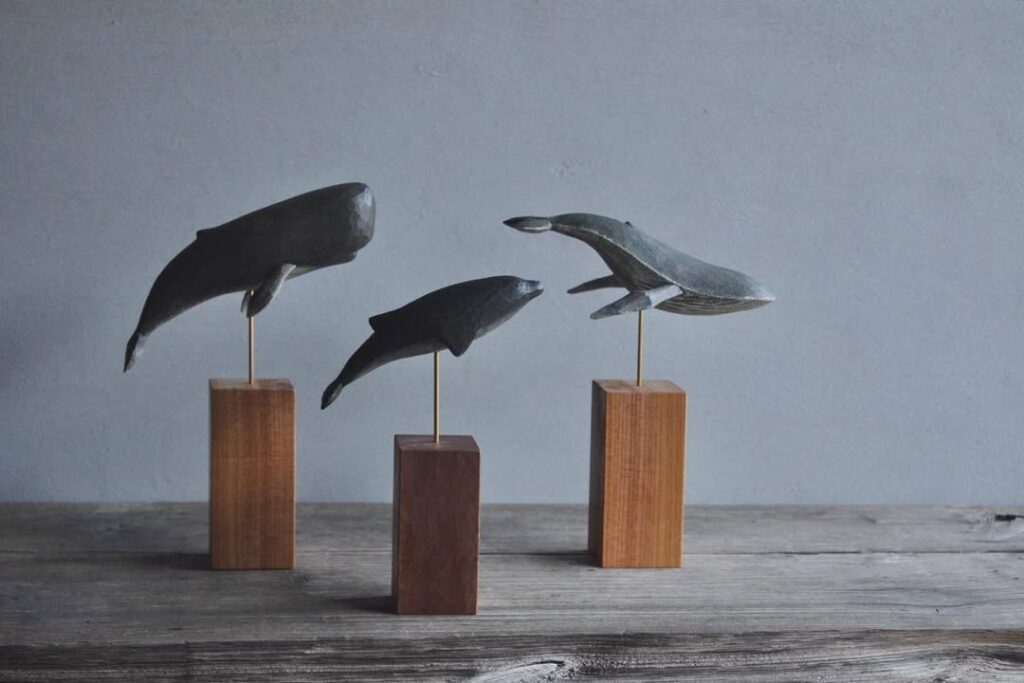
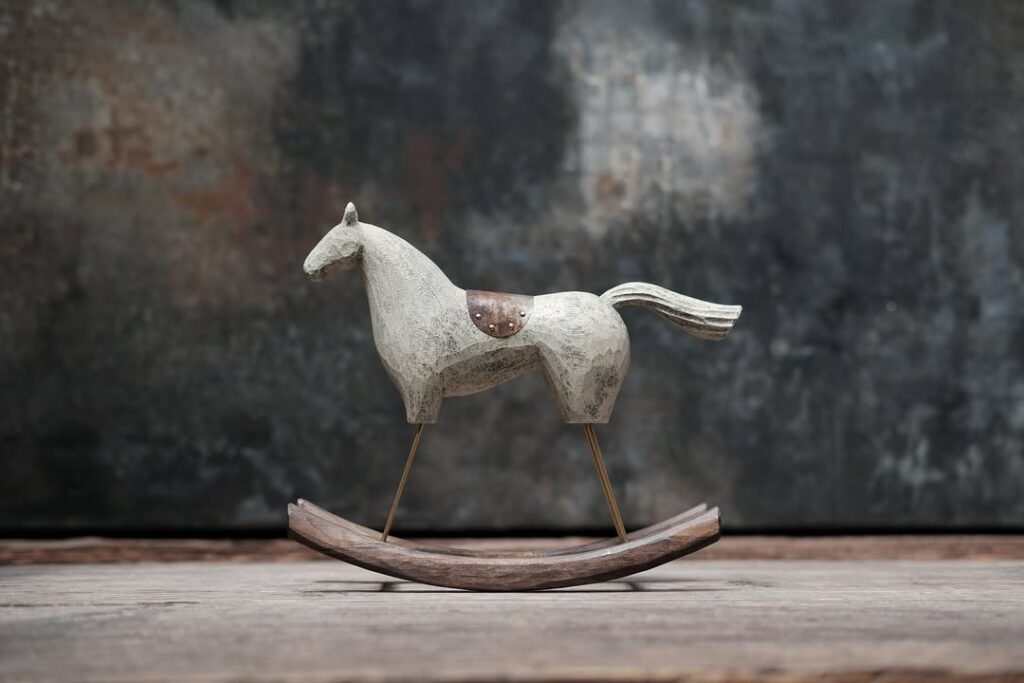
Each sculpture begins as a raw block selected for its grain and tone. Suzuki carves the general form using chisels and gouges, gradually refining posture, proportion, and flow. Instead of polishing the surface smooth, he preserves the marks of the carving process. The rough texture plays against the natural warmth of the wood, emphasizing its material presence. Many of the finished works are elevated on slender metal bases that appear to suspend the forms mid-motion, merging organic and industrial elements in a single composition.
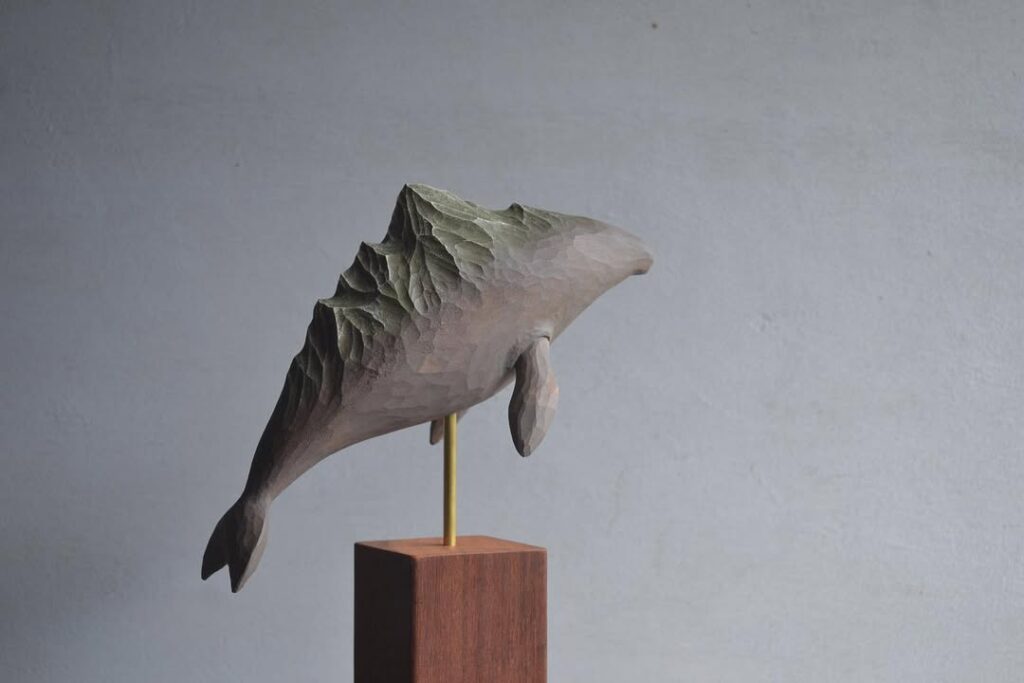
The process reflects a clear respect for material integrity. The wood’s grain and imperfections remain visible, allowing the viewer to sense both the labor and the natural history embedded in each piece.
The “Obscure Animals” Series
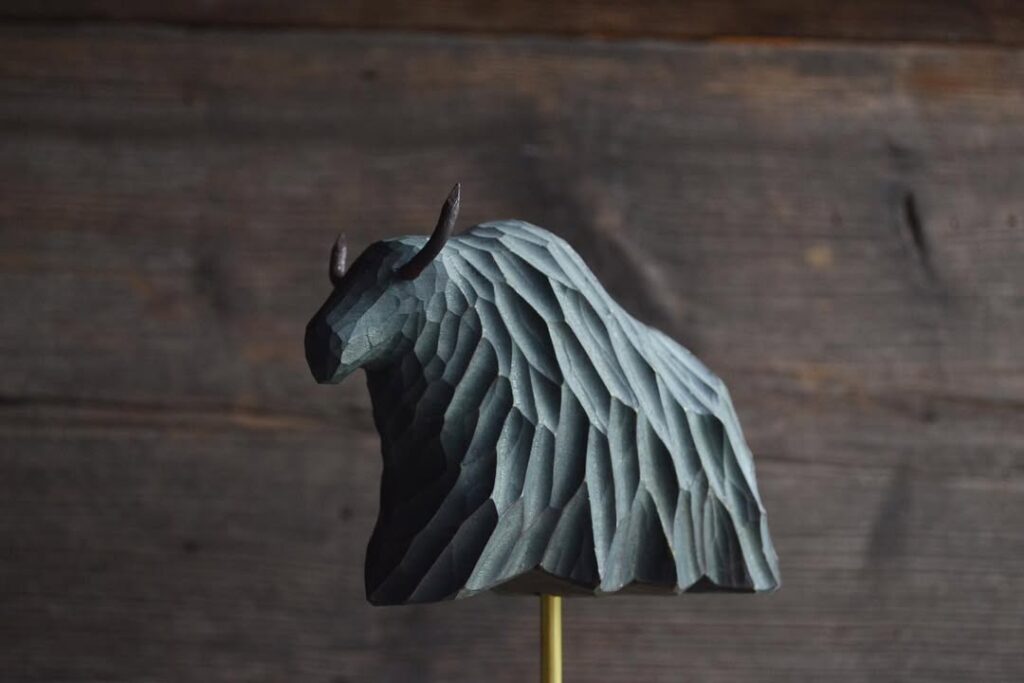
Among Kokemusu Mokkou’s notable bodies of work is the “Obscure Animals” series. These sculptures depict creatures that hover between the familiar and the imagined. While their anatomy is recognizable, their proportions and finish introduce a quiet ambiguity. The animals seem both real and dreamlike, captured in moments of calm or movement that feel detached from time.
The series draws its strength from restraint. Rather than emphasizing narrative or symbolism, Suzuki focuses on posture, volume, and texture. The absence of fine detail invites contemplation, turning each piece into an object of stillness.
Exhibitions and Recognition
Kokemusu Mokkou’s works have been presented in solo and group exhibitions across Japan. One of the most recent shows, “Deep Forest and the Bottom of the Sea” (ふかいもり と うみのそこ), was held at IDÉE SHOP in Roppongi, Tokyo, in 2024. The exhibition featured works from the “Obscure Animals” series and explored the boundary between reality and imagination. The display emphasized the tranquil, introspective character of Suzuki’s sculptures and their ability to evoke natural environments through form alone.
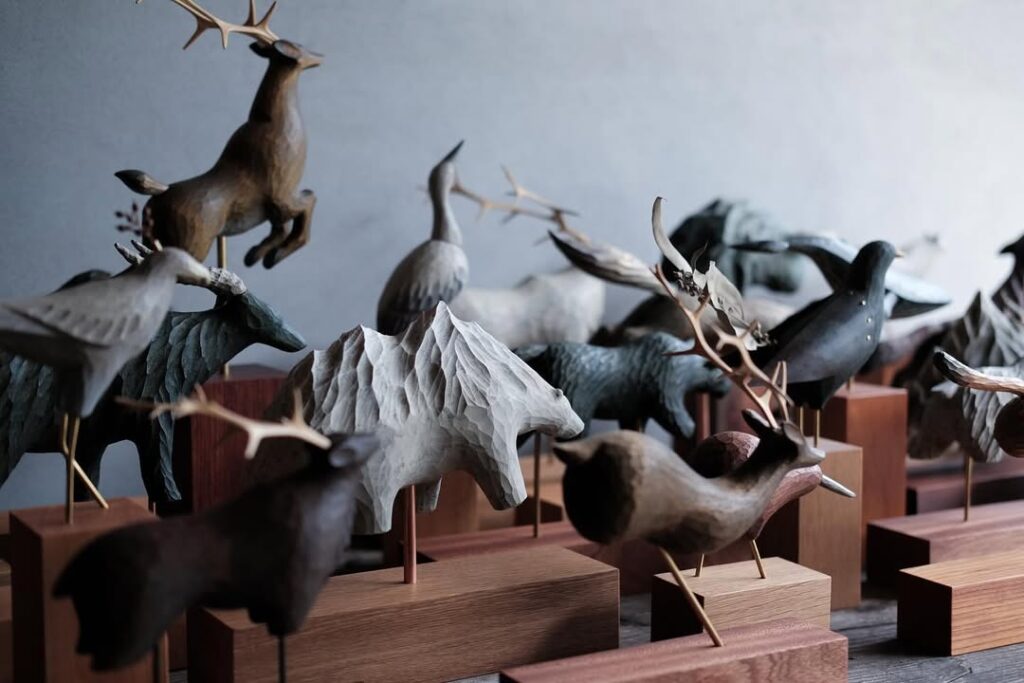
His works have been featured by international art and design platforms such as This is Colossal and Free York, where critics highlighted the distinct surface treatment and balance of weight and lightness in his animal figures. These publications often describe his carvings as expressions of both stillness and vitality, capturing motion without exaggeration.
A Place in Modern Japanese Craft
Kokemusu Mokkou stands out in Japan’s contemporary woodworking scene for its balance of traditional technique and modern minimalism. Suzuki’s commitment to raw texture and form ties his approach to the aesthetic ideals of wabi-sabi, where imperfection and simplicity create beauty. Each sculpture honors the natural qualities of wood, transforming solid walnut into forms that feel alive yet timeless.
Lasting Impression
Suzuki’s work captures a quiet energy that merges craftsmanship and artistic vision. His carved animals, shaped through disciplined precision and an understanding of organic structure, exist somewhere between realism and abstraction. Through Kokemusu Mokkou, he continues to refine a language of wood that speaks softly but with enduring clarity in Japan’s evolving landscape of contemporary art and design.
Reply