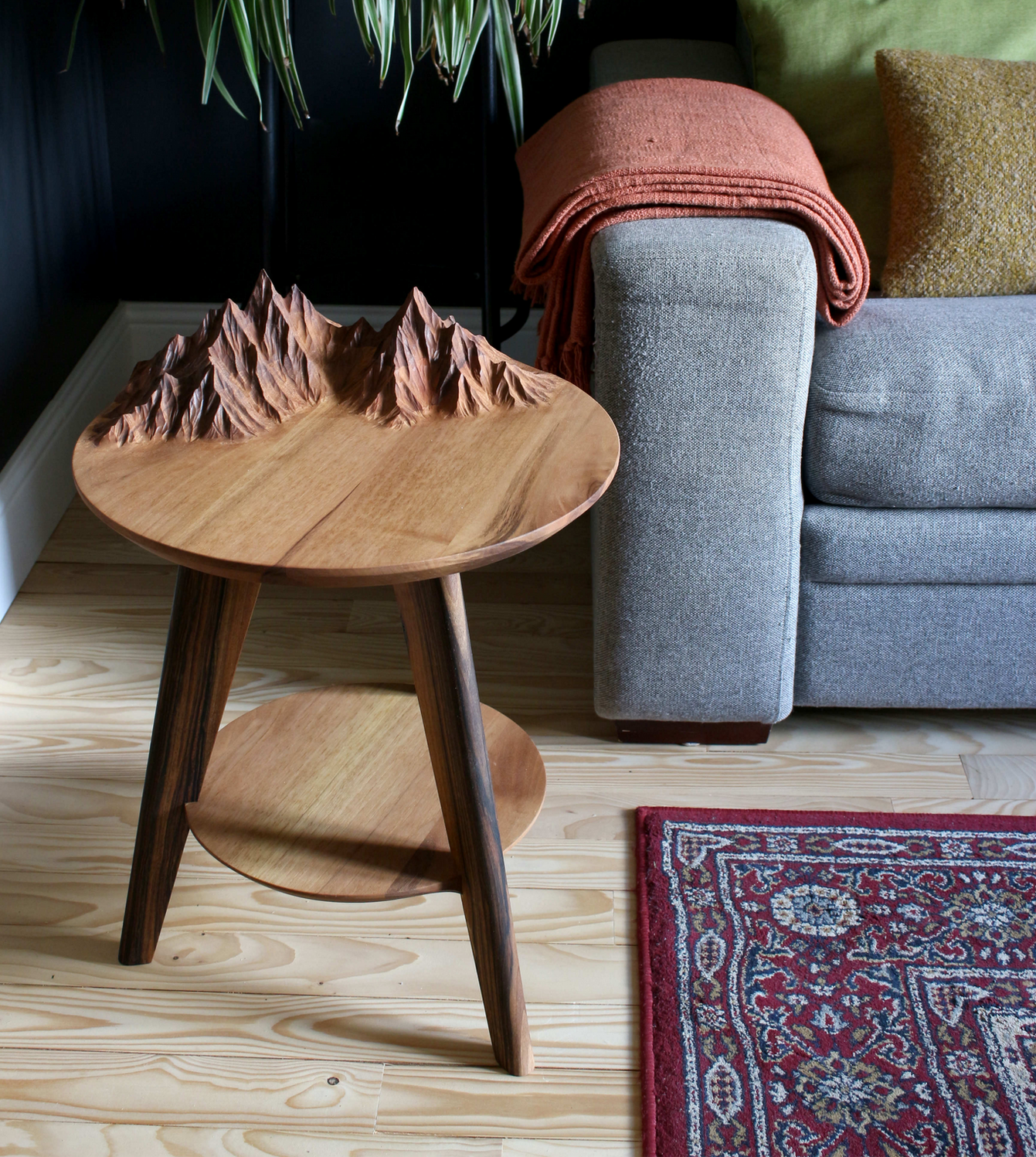
In a small workshop surrounded by the green hills of the Vosges in France, two craftsmen, Benoît Vauthier and Manu Lerendu, carve the shapes of mountains into wood. Their studio, known as Ben&Manu, is where art and furniture quietly meet. Every piece they make tells a story about patience, place and the beauty of natural form.
The two met in 2012 while studying cabinetmaking at the Institut Québécois d’Ébénisterie in Canada. They were far from home, but the shared love for solid wood and clean design brought them together. After graduation, they took part in design competitions and exhibitions, and soon their collaboration felt natural. What began as friendship slowly turned into a brand built on skill and shared vision.
After some years of working abroad, they returned to France and set up a small workshop. First it was in Vendée, then later in Drôme, and eventually they found their place in the Vosges mountains. That location shaped their identity. The calm forests, the rhythm of the landscape, and the smell of local timber became part of everything they created.
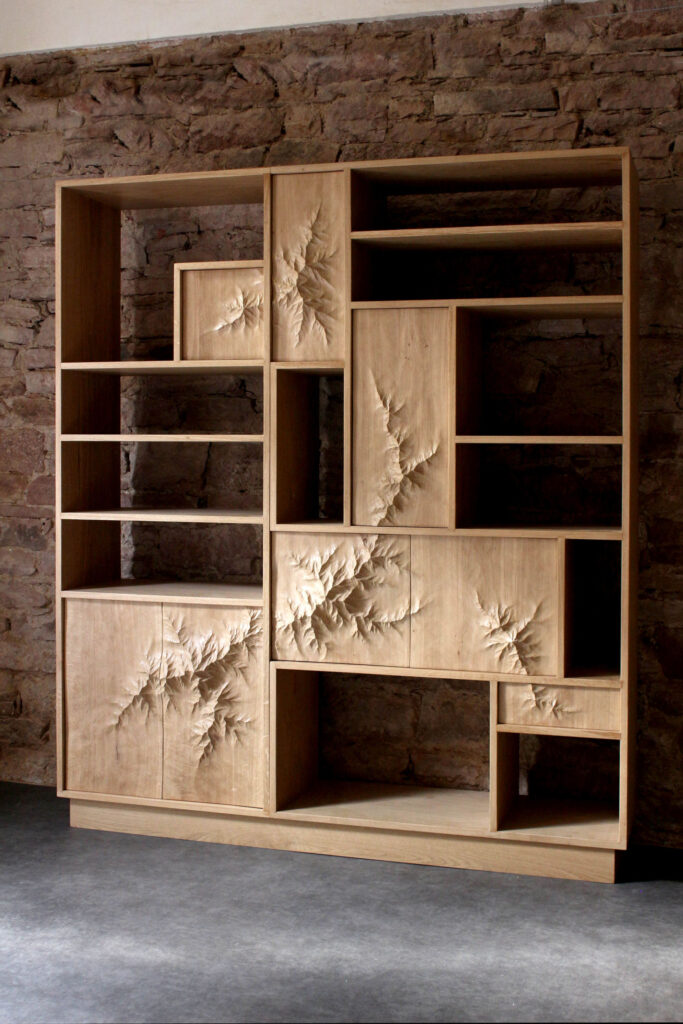
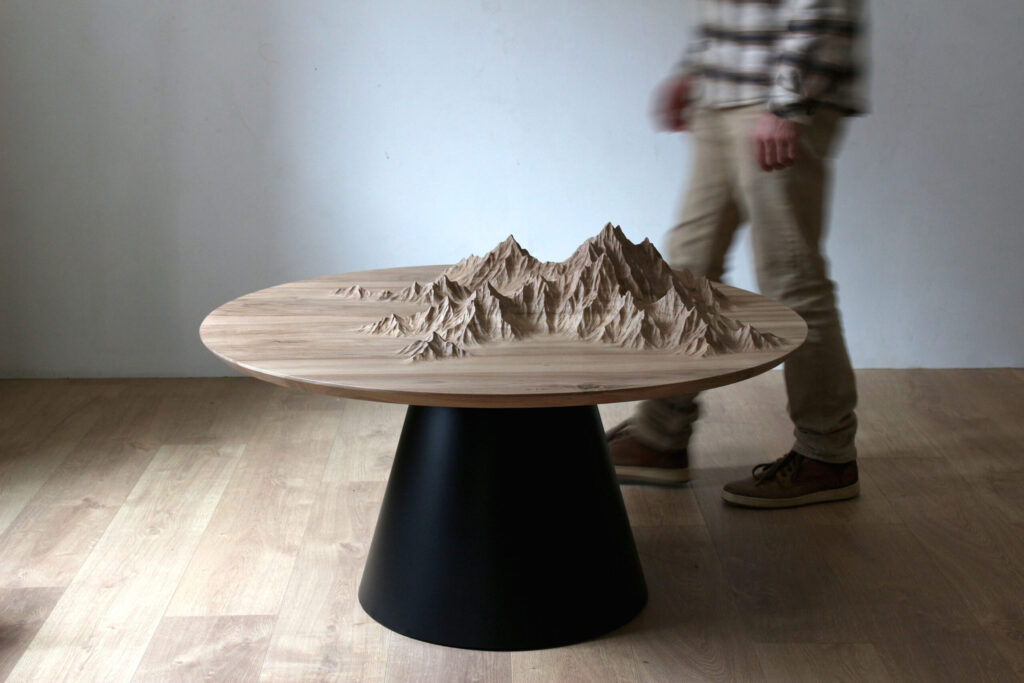
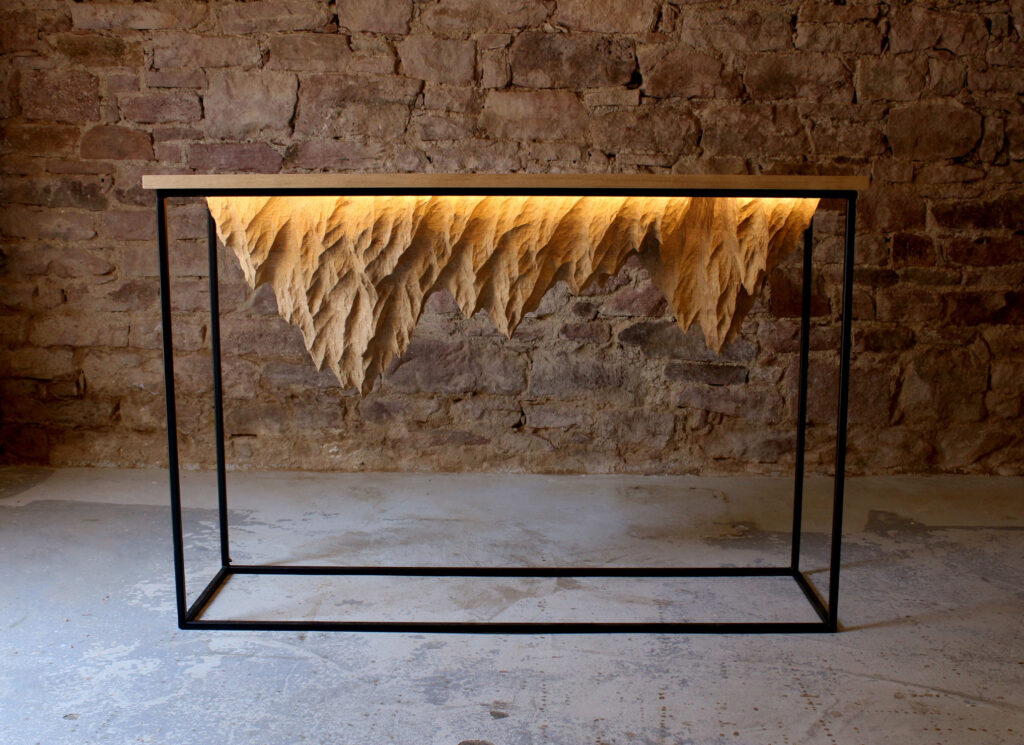
From the start, Ben&Manu wanted to make furniture that feels alive. They didn’t want to follow the trend of fast design or flat, perfect surfaces. Instead, they began to carve the wood itself into forms that resemble topographic maps. A tabletop might carry valleys and peaks, like a miniature model of a mountain range. A bench might curve as if shaped by wind. Every line follows the grain, and every piece holds a sense of movement.
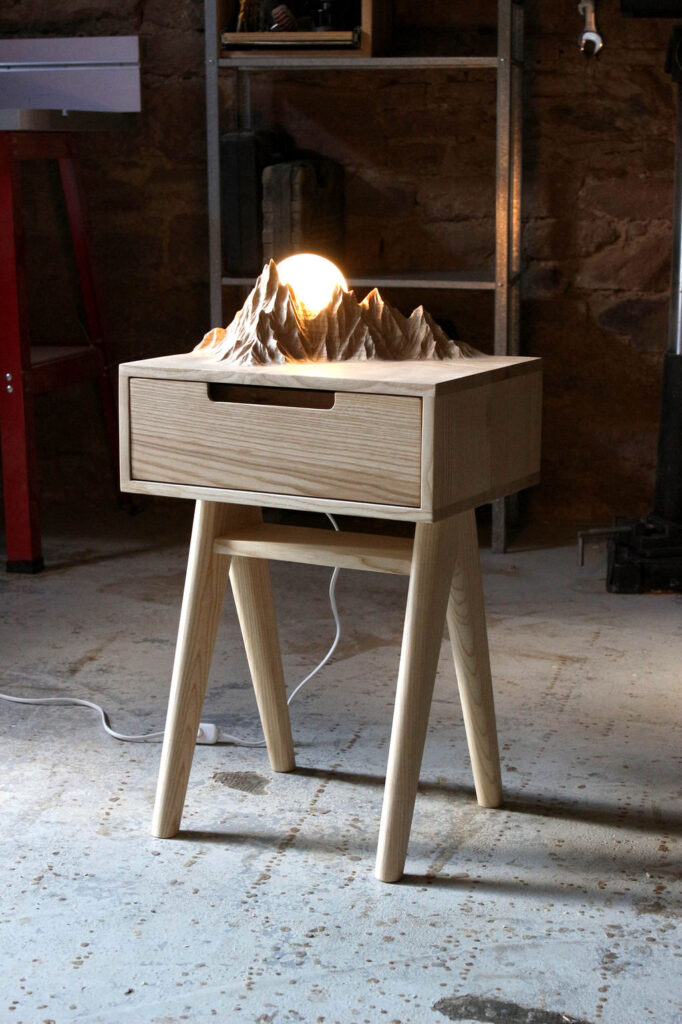
This style became their signature. People began to call it topographic furniture, but for Ben&Manu it was simply a natural way to express the land they live in. They take inspiration from maps, rivers, cliffs, and the way light moves across a slope. Their process is slow, and they like it that way. They see time as part of the material, something that gives the work depth and honesty.
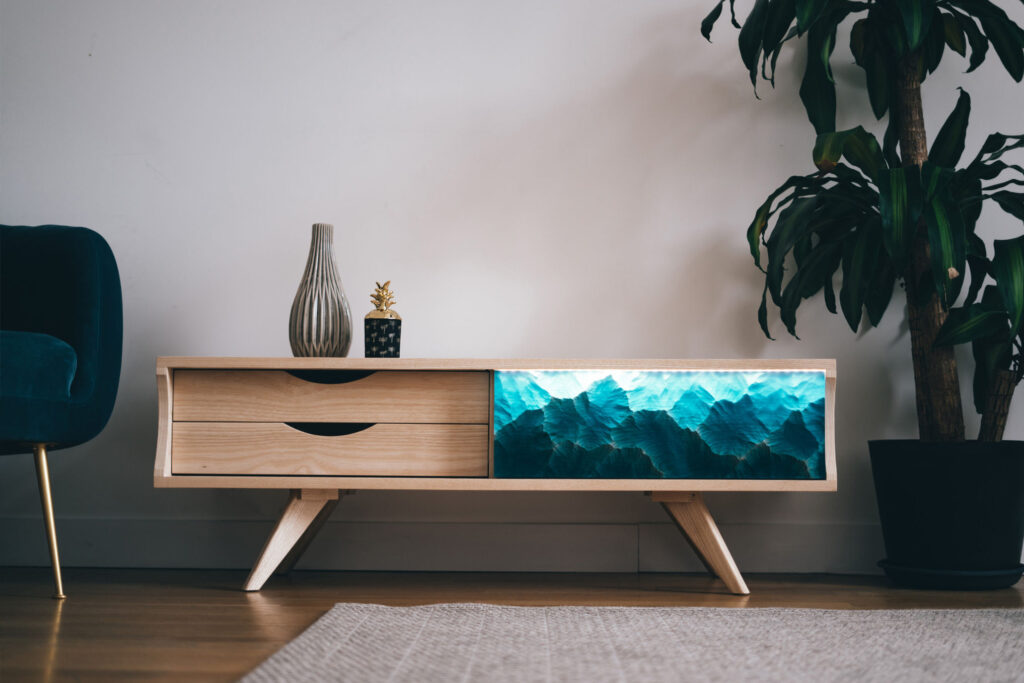
They also insist on using local wood. Oak, ash and beech from nearby forests form the base of their creations. They work with small sawmills and wood suppliers who share their respect for sustainable sourcing. They finish their furniture with oils and waxes that protect but do not hide. The goal is always to reveal the grain, not cover it.

In their workshop, machines are present but quiet. The real work happens by hand. Carving tools, sandpaper and a patient eye do most of the shaping. You can sense the rhythm of the maker in the surface. Every curve, every ridge, every smooth transition carries the mark of their dialogue with the wood.
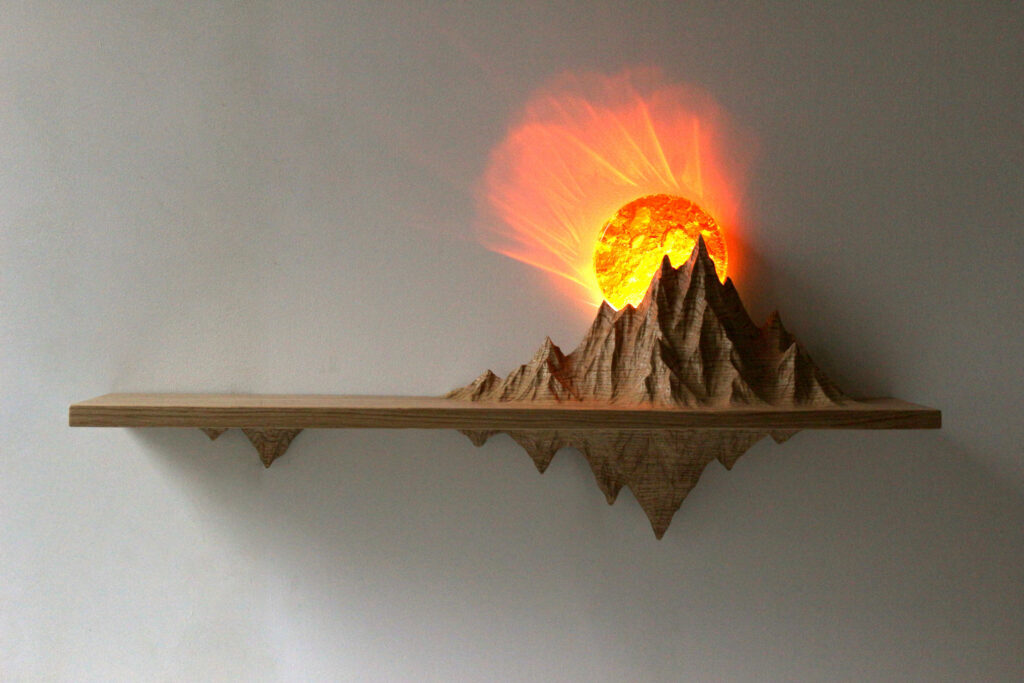
Their furniture is made to be used, but it also invites reflection. A table can be both a landscape and a daily object. When you run your hand across one of their pieces, you feel a mix of sculpture and craft, art and practicality. It’s the same philosophy that drives traditional cabinetmaking, but with a modern voice.
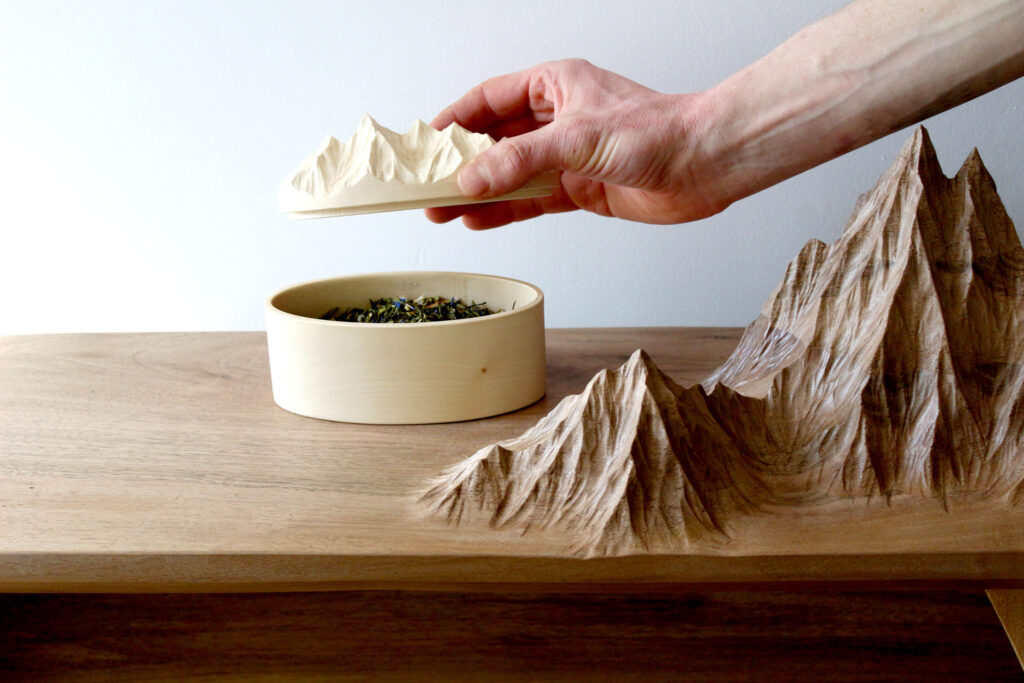
For Ben&Manu, design is not about decoration. It’s about understanding space, time and texture. They often say that the rarest materials today are not exotic woods but time and attention. Their pieces are not mass-produced; they grow slowly, shaped by instinct and memory. In that sense, they belong to a small but strong movement of makers who are bringing back human rhythm into design.
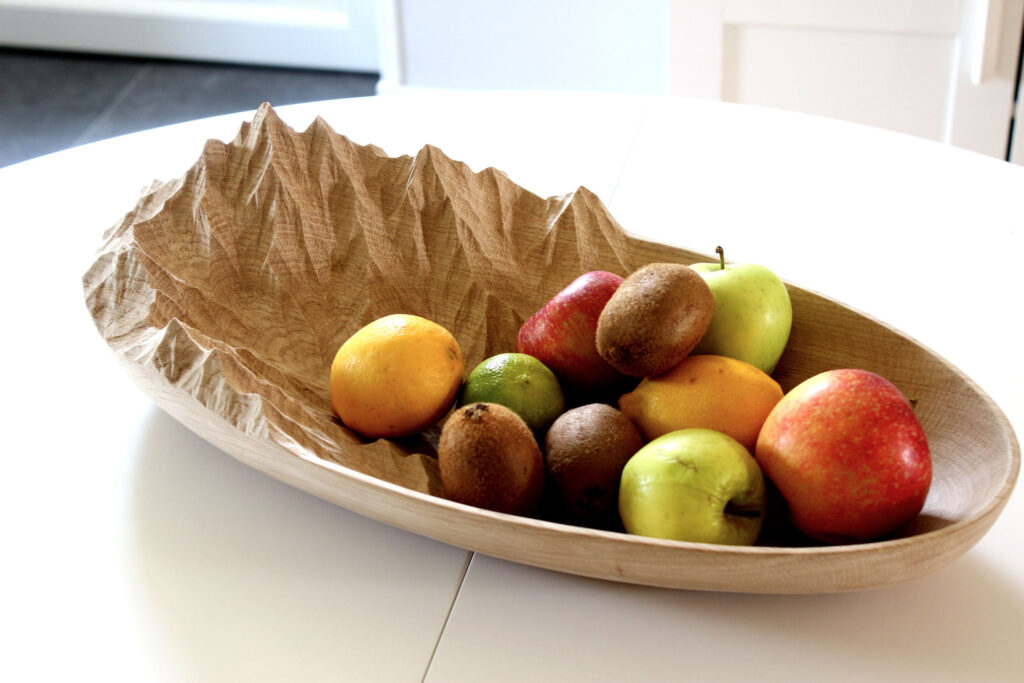
This honesty is what makes their work stand out. Their pieces are not shouting for attention. They don’t follow trends or chase fast sales. Instead, they create objects that live quietly, just like nature does. When you see one of their tables or cabinets, you notice balance and humility. It feels as if the mountain air is still trapped inside the wood.
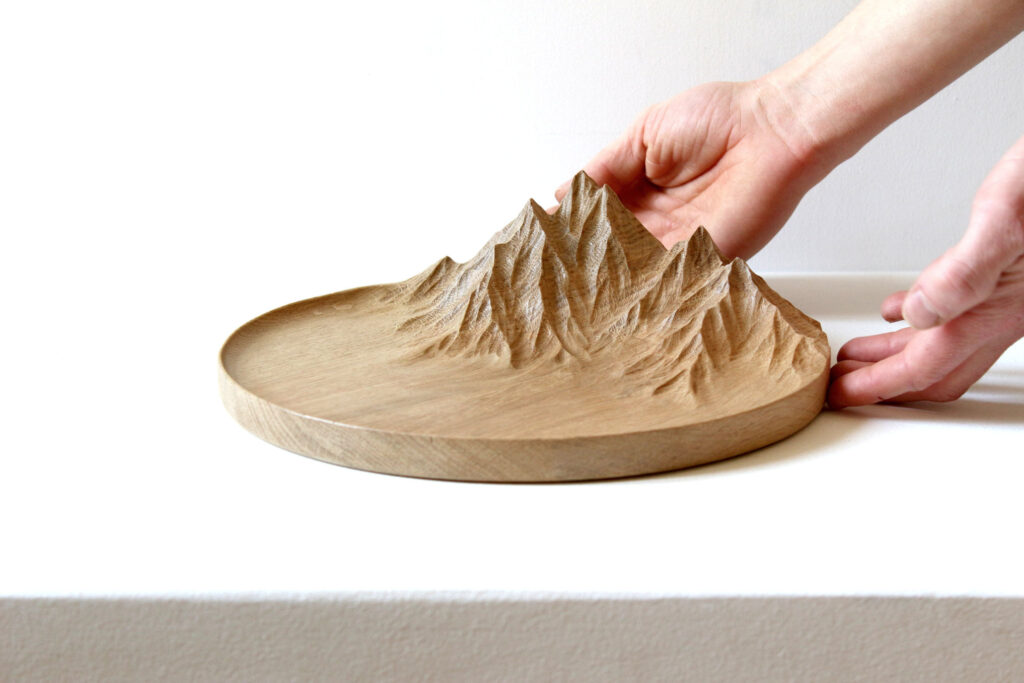
Their furniture has appeared in exhibitions and design magazines, often admired for its combination of precision and emotion. The carved surfaces look digital from a distance, but they are fully hand-made. That mix of craft and modern sensibility speaks to both designers and collectors. It also reminds people that true innovation can come from returning to simple tools and deep observation.
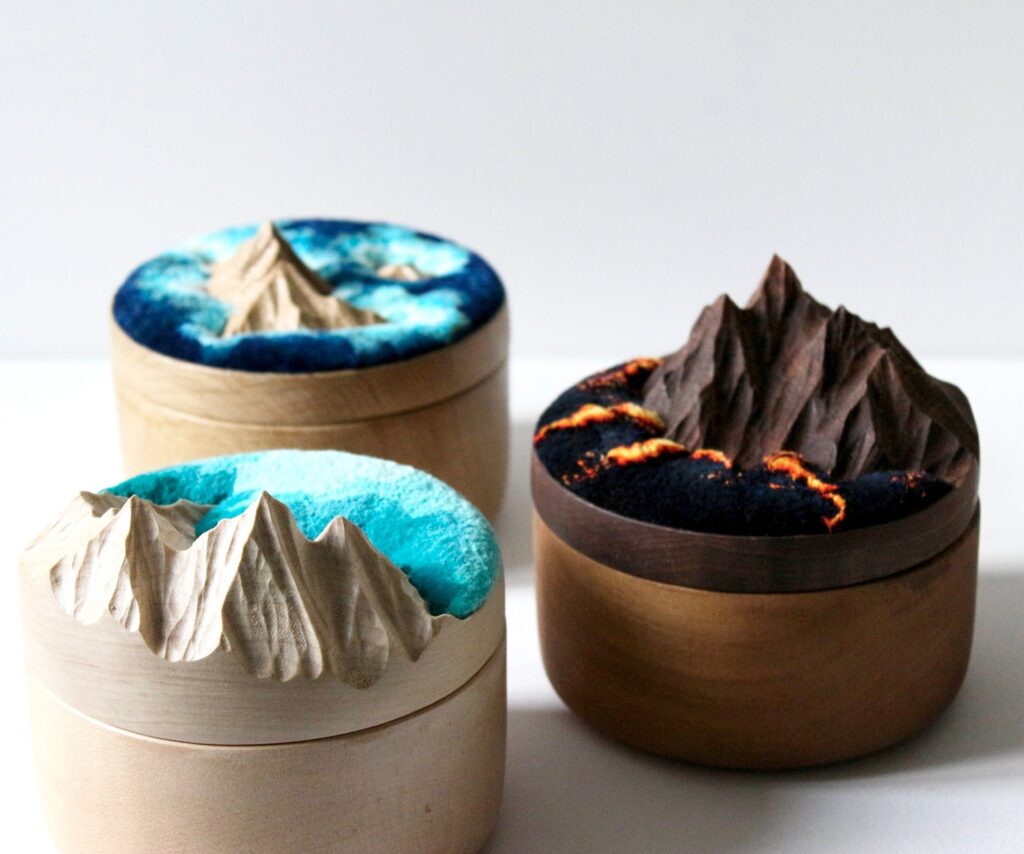
From their early days in Canada to their quiet life in the French mountains, their path has stayed true and deliberate. Each project is a continuation of that same idea they began with years ago – to create furniture that carries a sense of place and time. Their pieces show that design doesn’t need noise or spectacle to be powerful. It only needs honesty, patience, and respect for material.
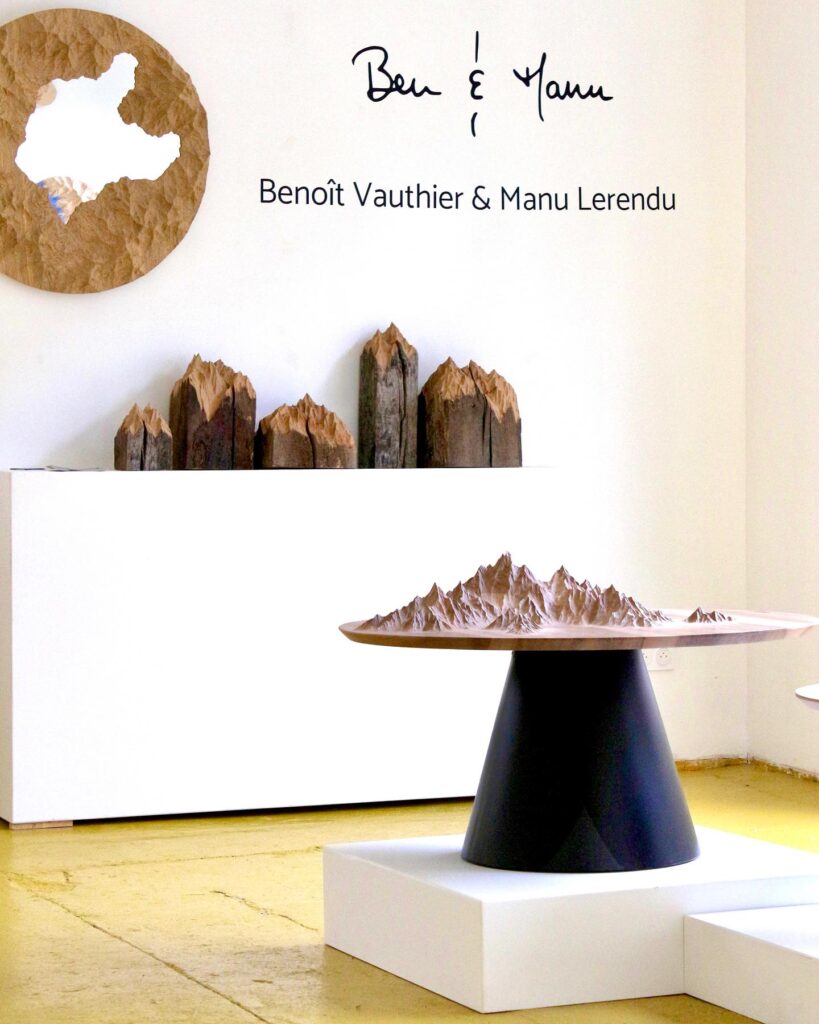
Ben&Manu are not just shaping furniture; they are shaping a way of seeing. Through their work, wood becomes a landscape, and a table becomes a reminder of nature’s calm rhythm. Their craft invites people to slow down, to look closer, and to find beauty in the quiet details that only handwork can reveal.
Reply