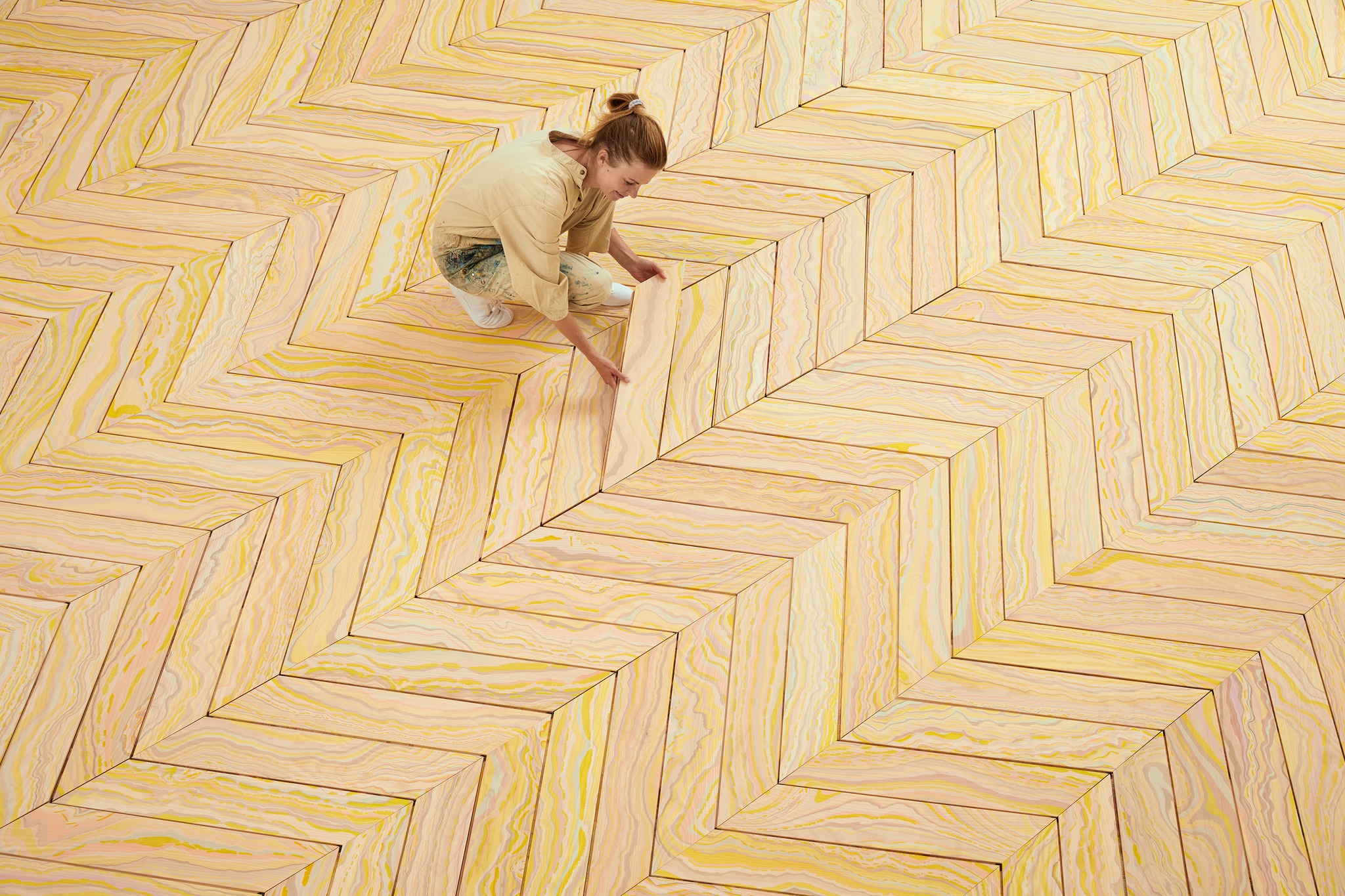
Snedker Studio is a Denmark-based design studio that treats flooring as a central visual element, not a background material. Instead of aiming for a uniform, “perfect” finish, the studio leans into variation and hand-made character. The result is flooring that behaves more like a large-scale artwork – something you experience as you move through a space.
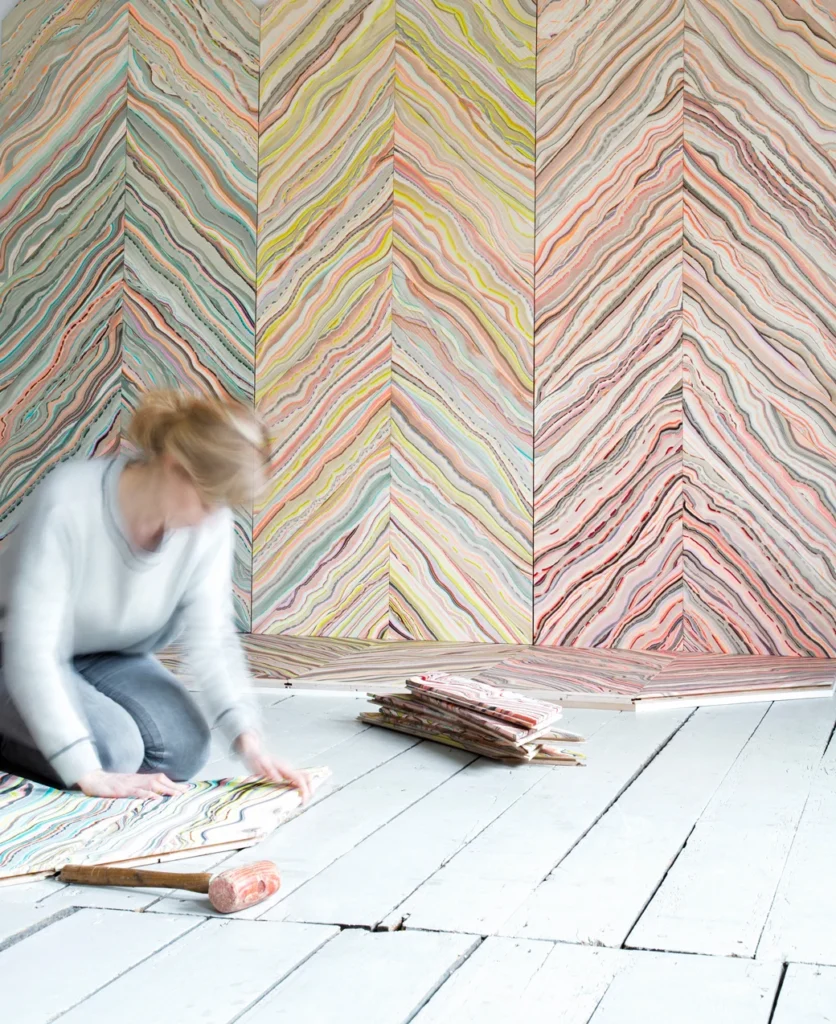
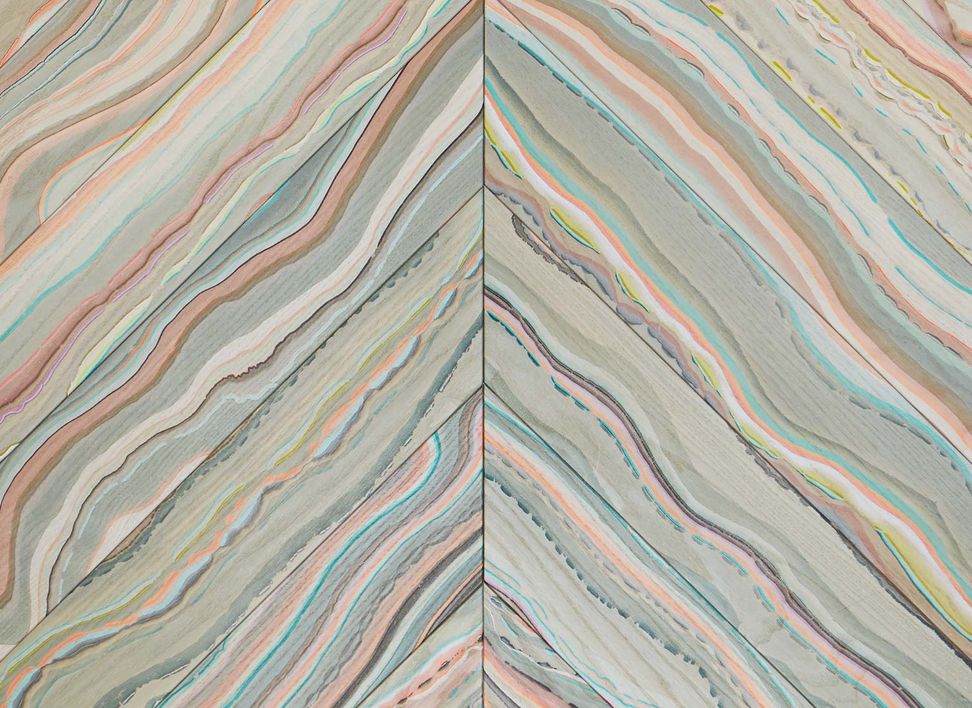
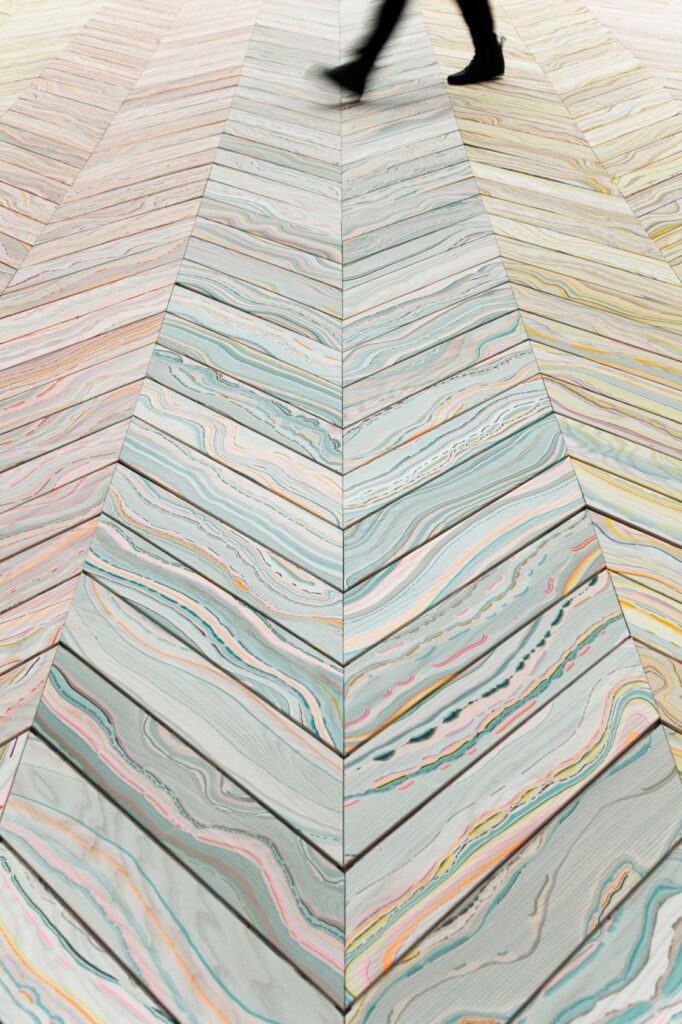
One of the studio’s best-known directions is Marbelous Wood, a series of wooden floorboards made with a marbling technique. Color is built on the surface of water and then transferred onto wood, capturing fluid patterns that cannot be repeated exactly. Each plank becomes its own small composition, and when installed together the boards form a continuous field of movement across the room. It is the opposite of printed pattern: the surface shows the traces of an actual process, with all its small surprises.
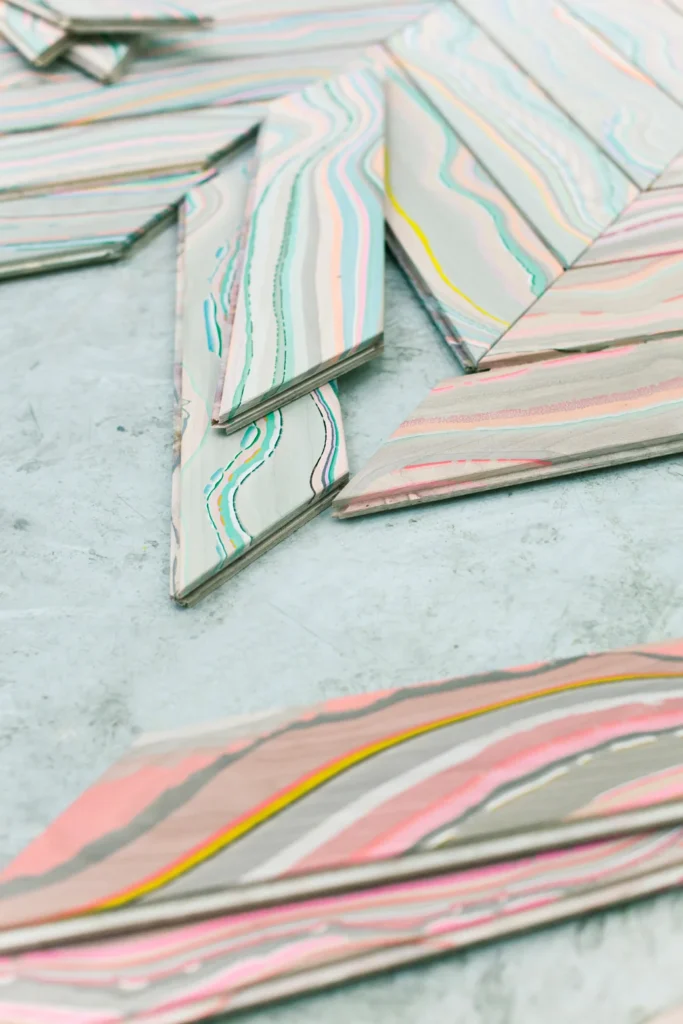
What makes this approach work is how it sits alongside the wood’s natural grain rather than trying to cover it. The marbled layers create bands, swirls, and soft transitions, while the timber underneath still reads as timber. Depending on the colorway, the effect can be quiet and tonal or bold and almost psychedelic. From a distance, the floor can feel cohesive, even calm. Up close, it breaks into fine details – rings of pigment, drifting edges, and micro-variations that reveal the hand behind it.
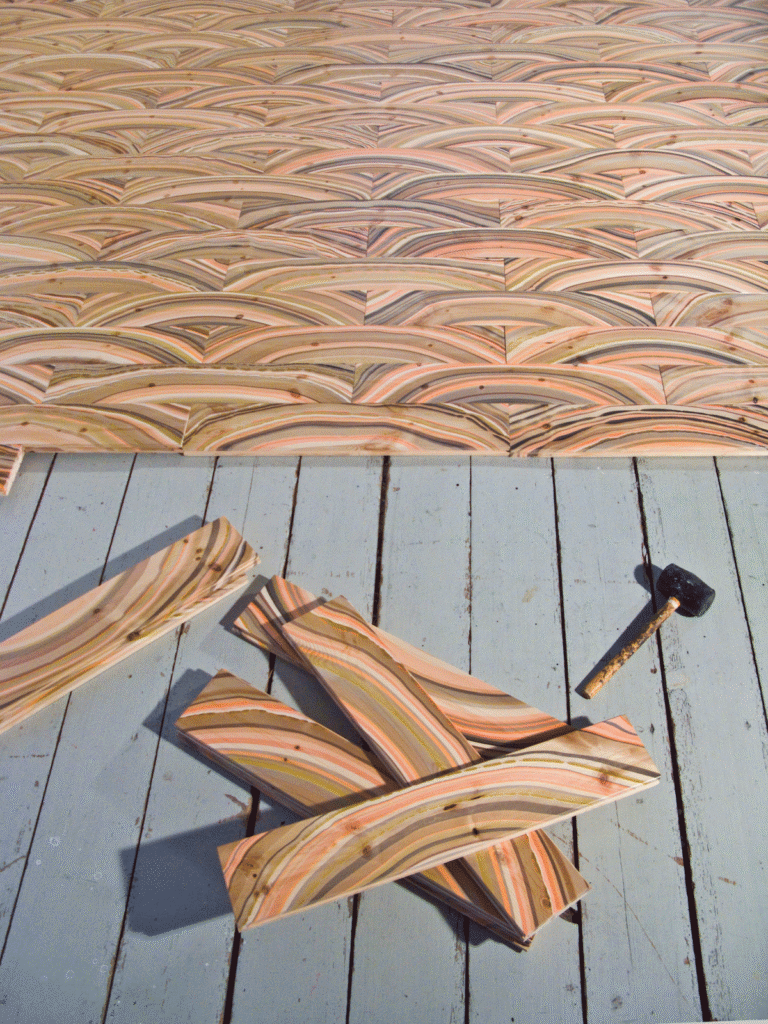
Snedker Studio presents these floors as made-to-order surfaces rather than standard stock flooring. The base material is typically engineered wood, chosen for stability, and the surface is protected with a durable finish suitable for daily use. Because the marbling is created plank by plank, the final look can be tuned to the room. Color choices, intensity, and overall rhythm can be adjusted so the floor supports the architecture instead of competing with it.
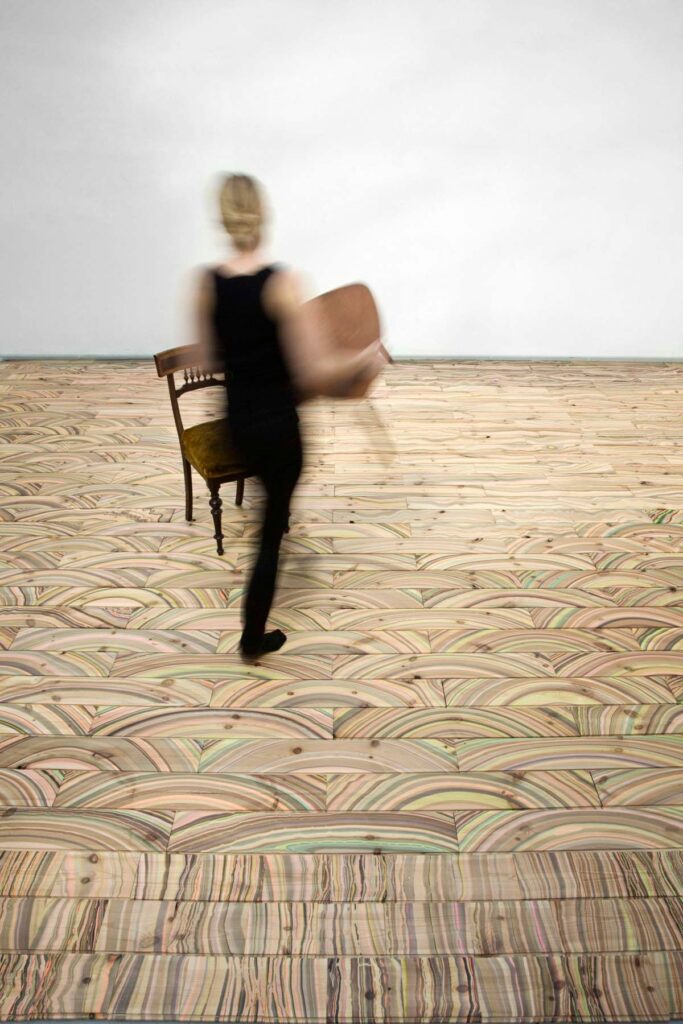
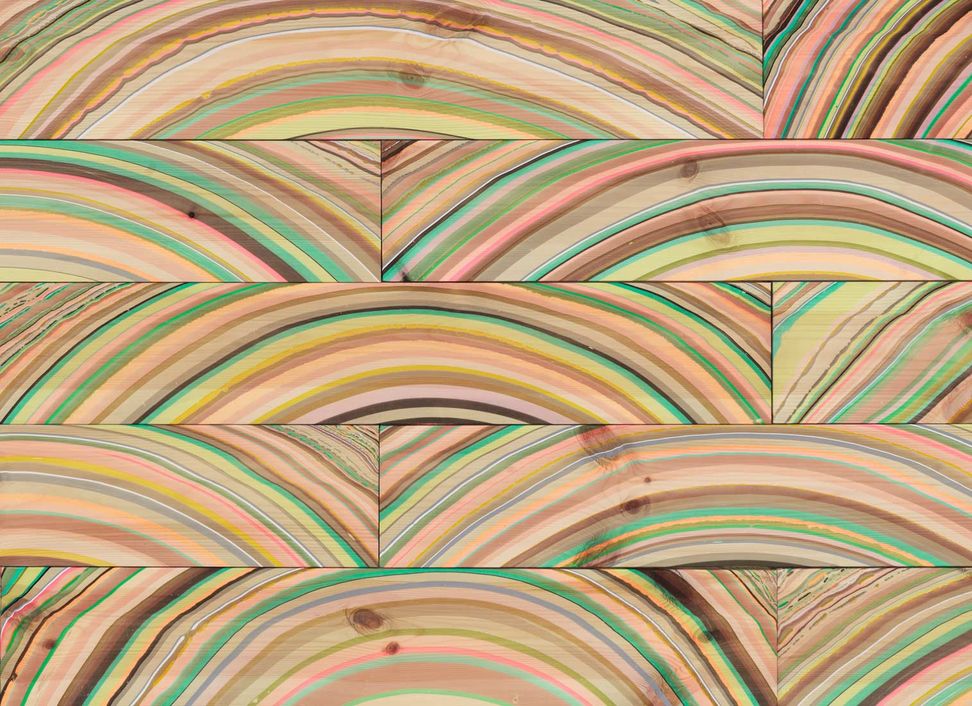
The studio also explores multiple pattern “families” that shift the mood without changing the core technique. Some variations feel ink-like and minimal, others emphasize wave motion or refracted color, and some introduce more structured arcs. This is where the work becomes especially architectural. A floor is read in motion, under changing light, and from constantly changing angles. The patterns respond to that reality, revealing different layers depending on where you stand and how the space is used.
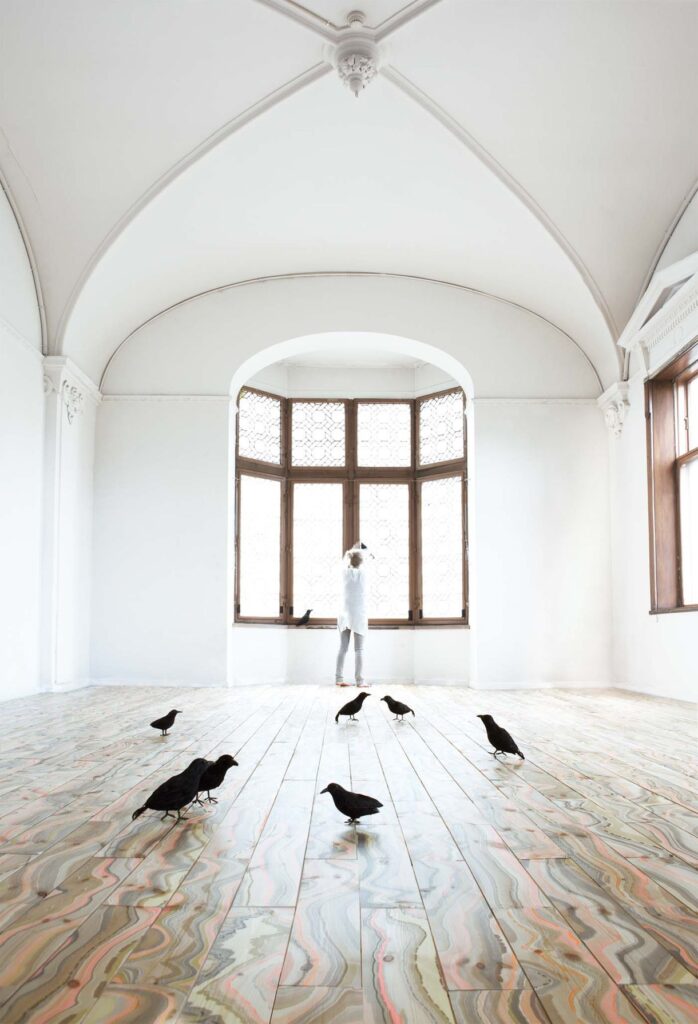
There is a nice tension in the work: it is carefully guided, but never fully controlled. The water surface, the timing, and the way pigment spreads all influence what ends up on the board. That mix of intention and chance is exactly what gives the flooring its energy. In a world full of identical finishes, Snedker Studio’s approach makes the floor feel alive.
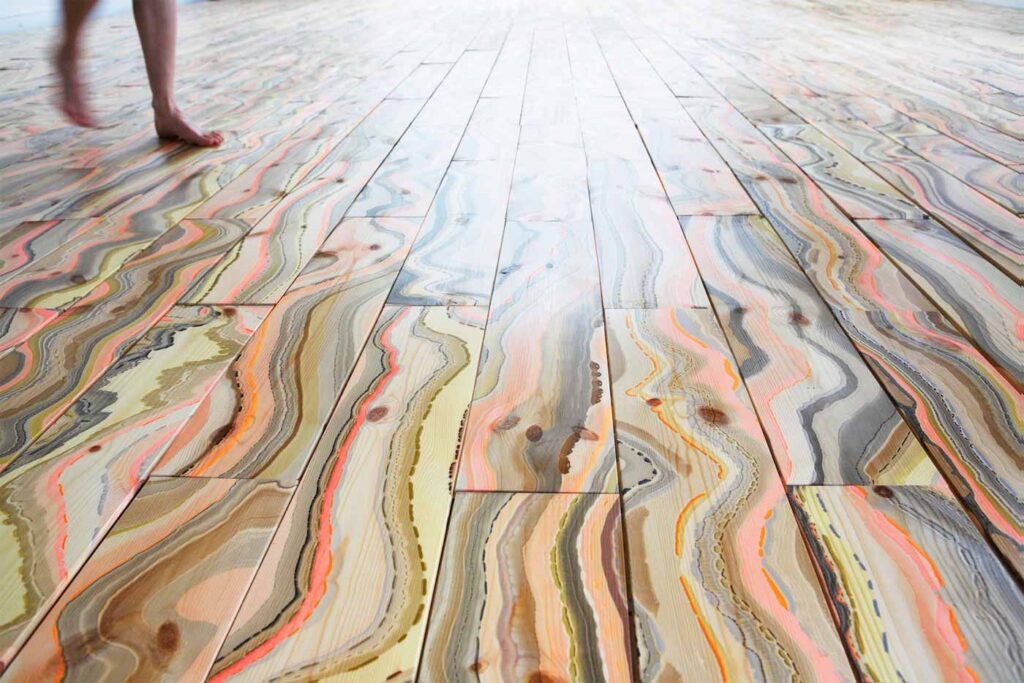
For architects and interior designers, the appeal is obvious. This is a surface with a strong identity that still functions as flooring. It can anchor a room, define a zone, or add depth to otherwise minimal interiors. It also creates a kind of slow experience: the longer you live with it, the more you notice. The floor stops being something you forget and becomes part of the story of the space.
Reply