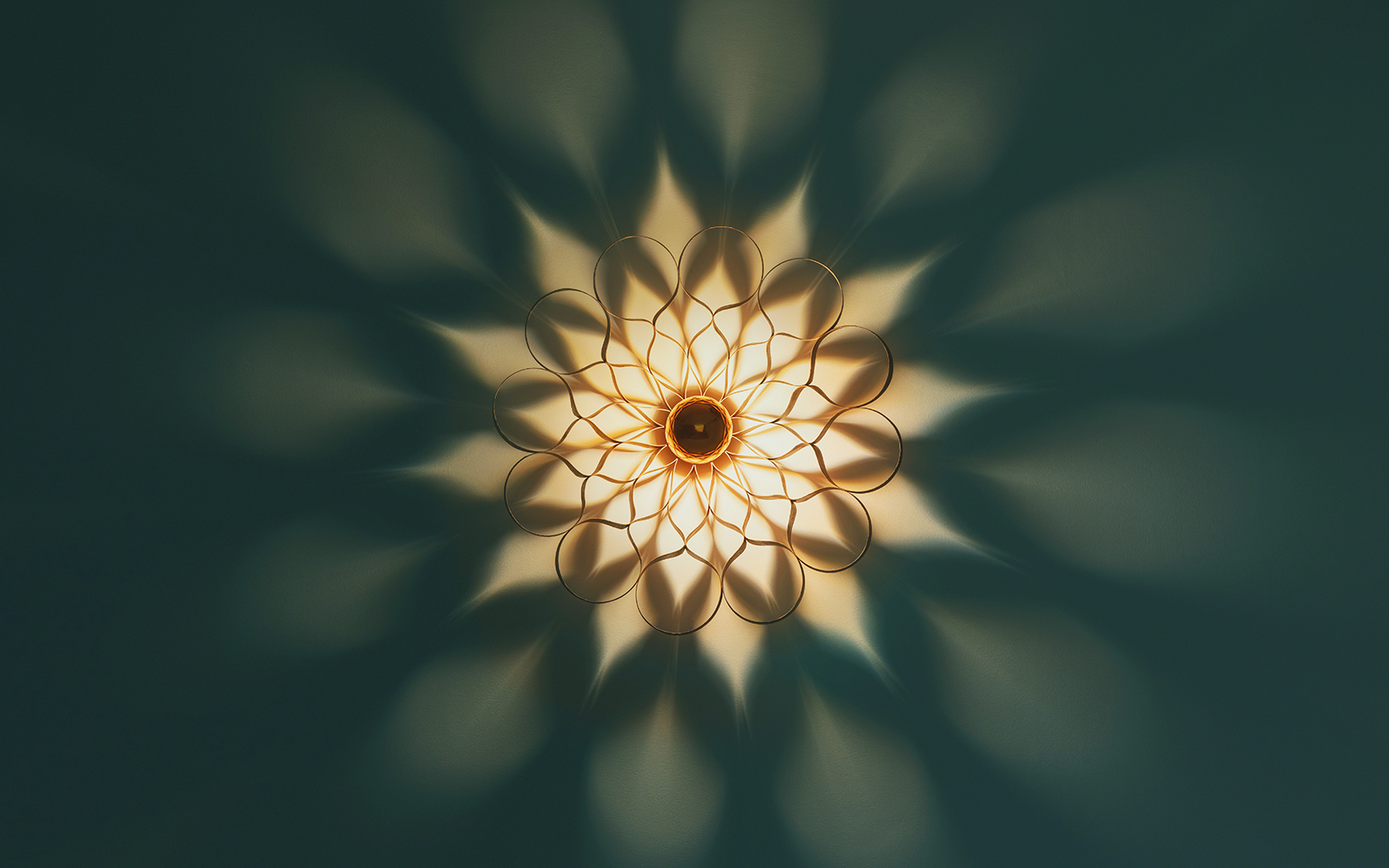
Tom Raffield is a British designer and maker whose name is closely tied to steam-bent wooden lighting. If “lightning” was the brief, the nearest match is the way his lamps throw sharp rays and shadows across a room. The work is made in Cornwall, and it leans into the warmth and grain of real timber rather than hiding it behind paint or metal.
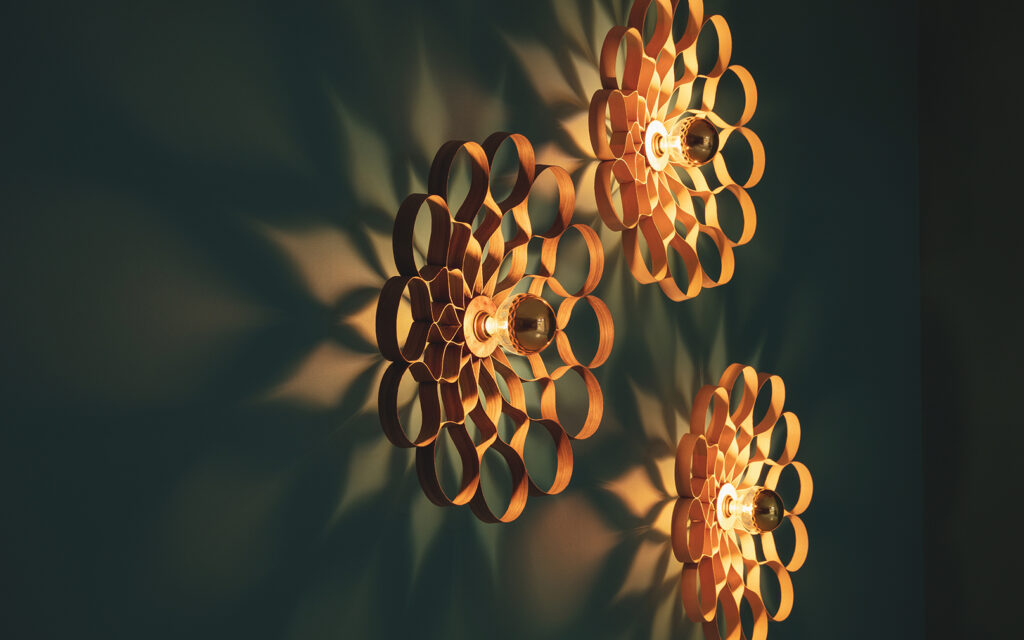
Raffield’s path into the craft started at Falmouth, where he studied 3D Design for Sustainability and encountered steam bending as a design tool. From early experiments he developed his own approach to tighter, more complex curves, then carried that into a business. Tom Raffield Ltd was founded in 2008, and the studio still points to those years as the spark behind the brand.
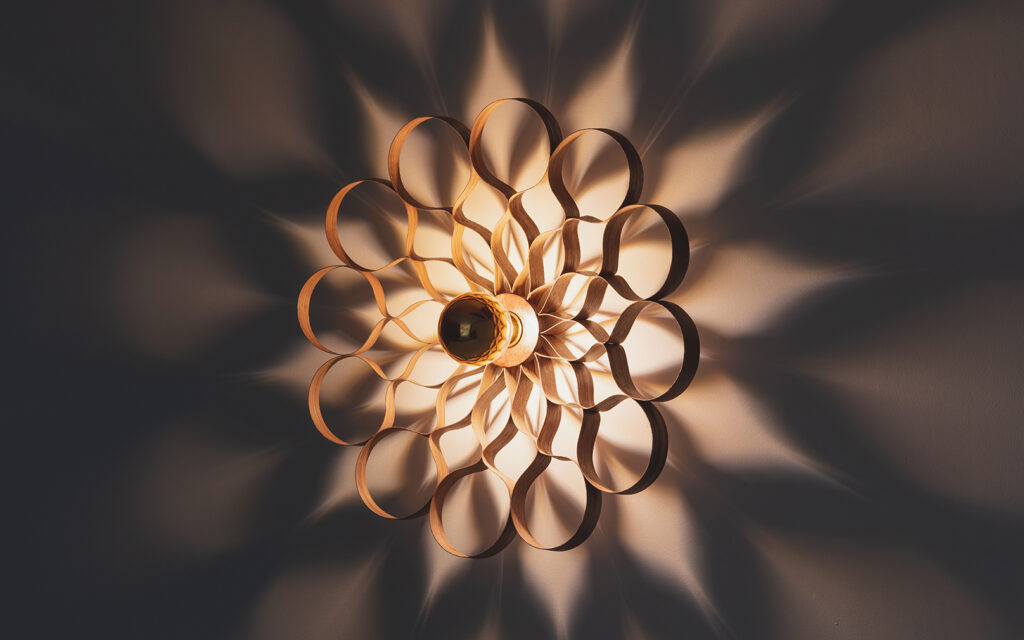
Steam bending sits at the centre of the aesthetic. Wood is softened with heat and moisture, shaped against formers, then left to set so the curve becomes part of the material rather than something forced by cuts. The process is often described as relatively low-energy, relying on water, heat, and skilled hands rather than heavy material removal.
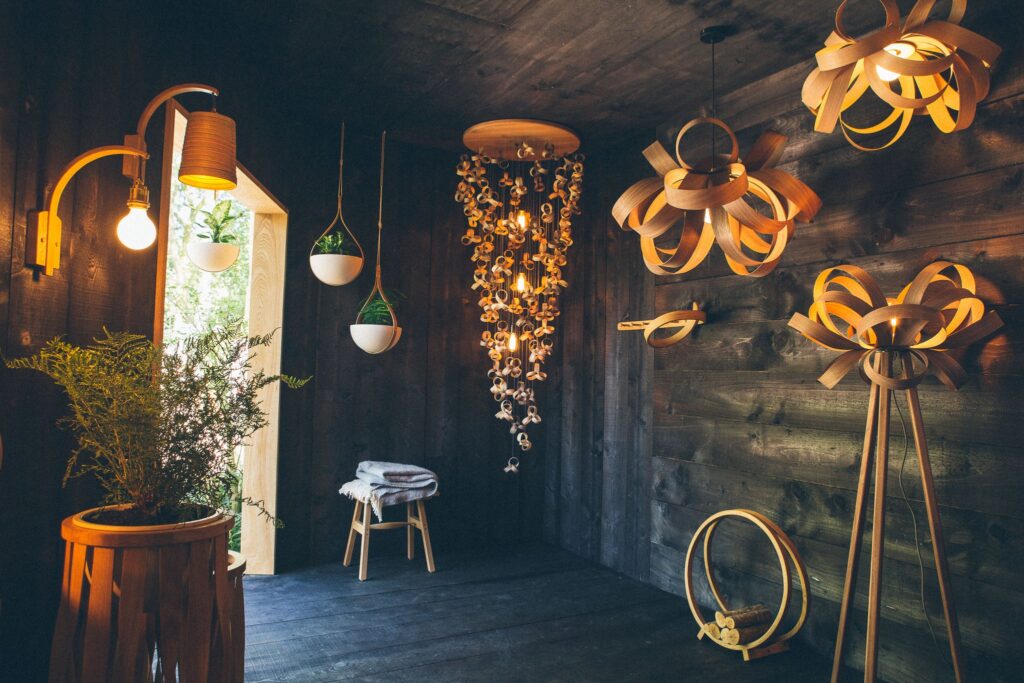
Many of Raffield’s best-known pendants look like petals or ribs, arranged to conceal the bulb while letting light escape through gaps. The Skipper Pendant is a clean, minimalist version of that idea, typically made from ash, oak, or walnut and finished with a matte varnish so the surface stays calm and natural.
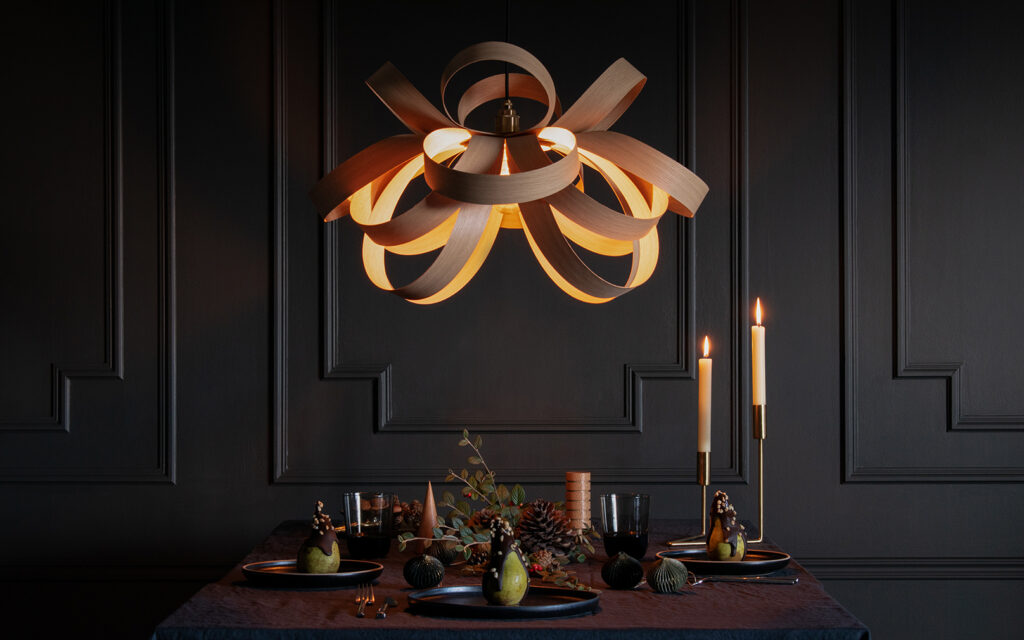
Where Skipper is restrained, pieces like Urchin dial up the drama. The form is built from steam-bent strips held in a spherical structure that hides the bulb. The result is a controlled glow, with light slipping out in thin bands rather than blasting straight down. It reads as both sculptural object and functional lamp, especially when hung low over a table or clustered at different heights.
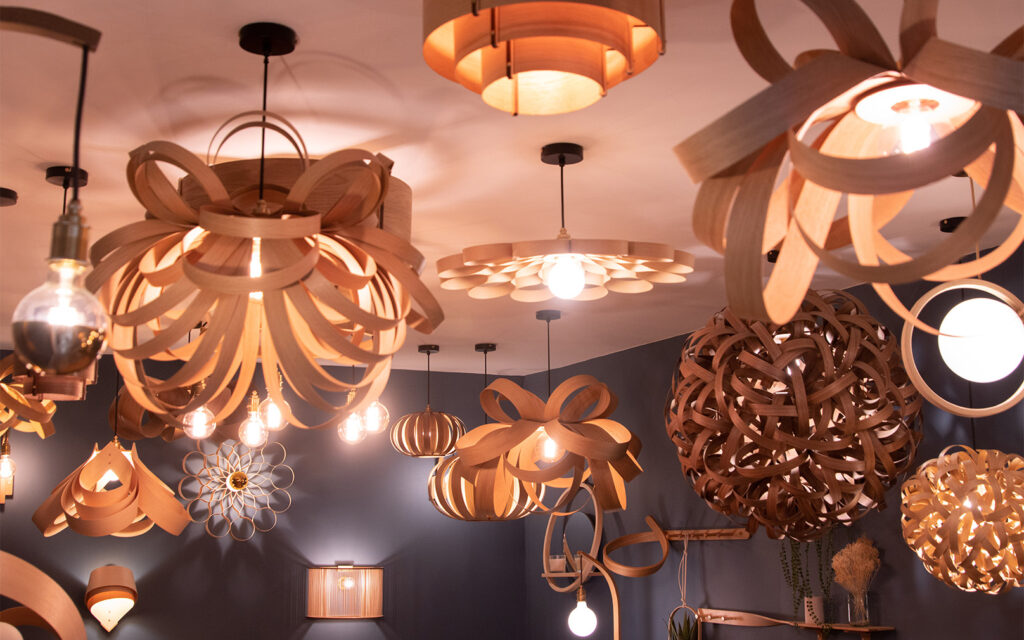
The Bloom range pushes the nature reference in a softer direction. The Bloom Pendant is shaped from multiple lengths of curved wood to create an ornate centrepiece and a lively pattern of light and shadow. It feels decorative without becoming fussy, because the structure stays honest: bent timber doing the work, not extra add-ons.
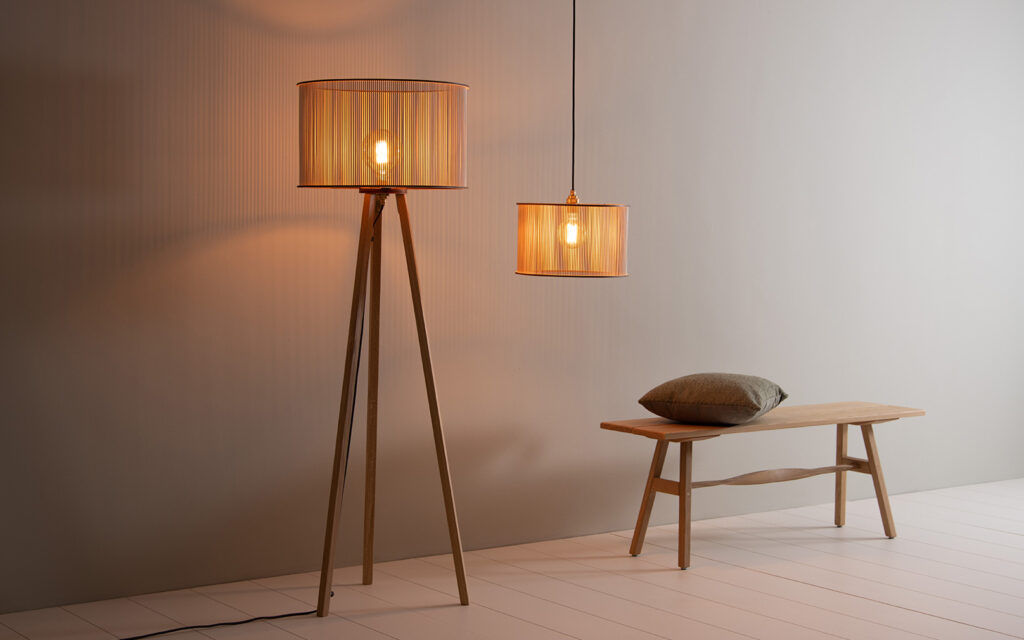
Not all of the designs aim for symmetry. Drift introduces undulating wooden “waves” riveted into a central structure, framing the lamp as a moving light effect rather than a static shade. In a quiet room the shadows can look almost animated as you walk around it, which is part of the appeal.
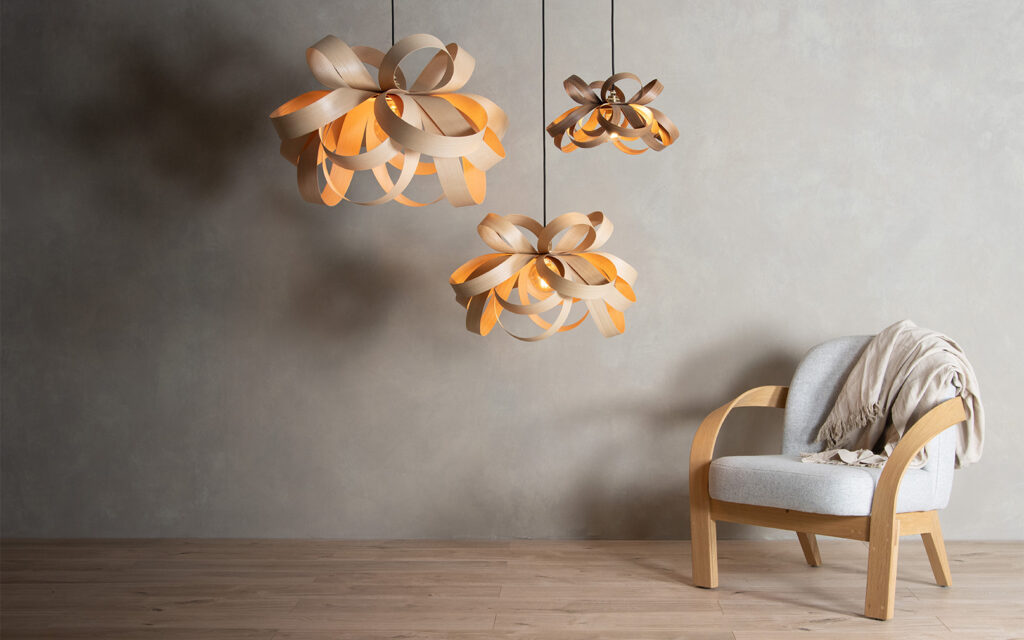
The catalogue is not limited to pendants. Floor lights carry the same curving silhouettes into taller pieces, balancing sculptural presence with practical illumination. Across the range, the studio’s approach is grounded in close collaboration between design and workshop craft, where prototypes and process tweaks feed directly into the final pieces.
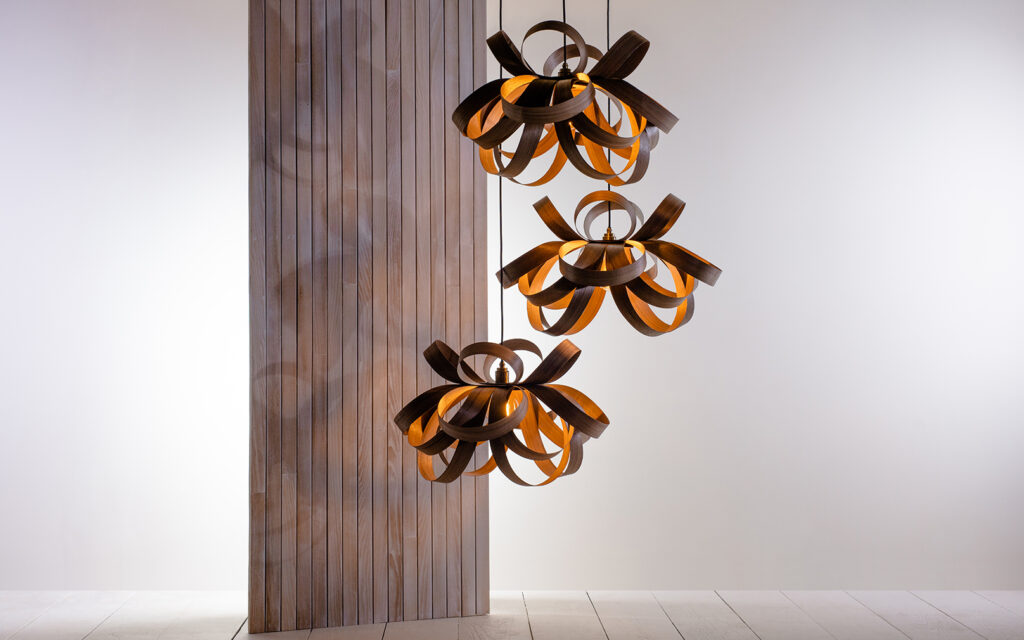
Sustainability is not treated as a decorative word here. The brand leans on responsible sourcing, waste reduction, and a clear preference for long-lived objects instead of fast, disposable homeware. That mindset fits the material: wood wants care, and the best pieces are the ones that stay in use for years, not seasons.
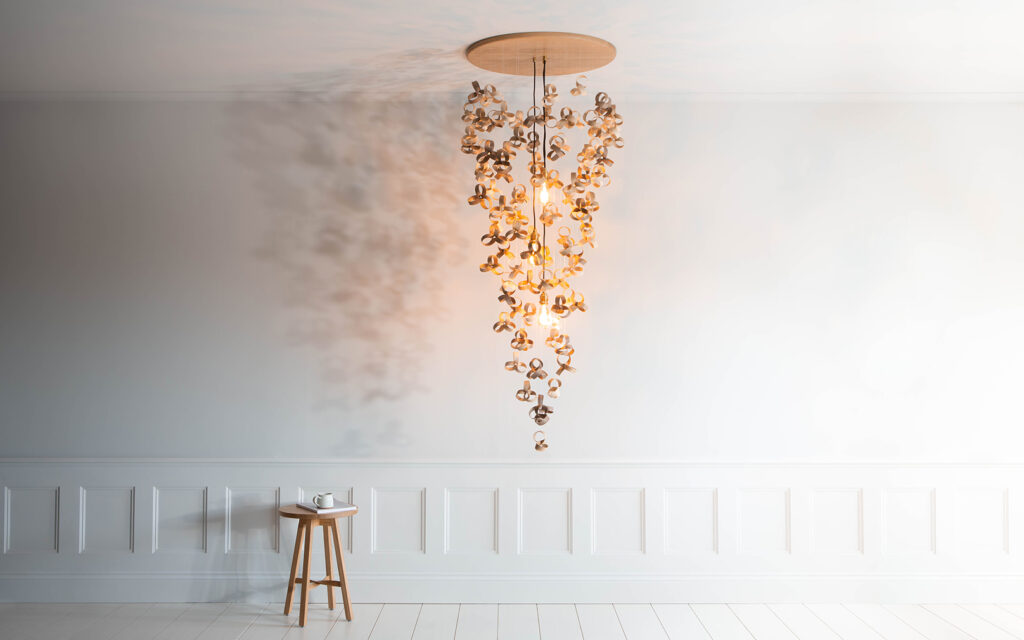
Raffield has also used the same language of curves at a larger scale. The studio has been connected with an ambitious South Cornwall home project that drew wider attention, showing how the steam-bent aesthetic can move beyond lighting into a whole environment.
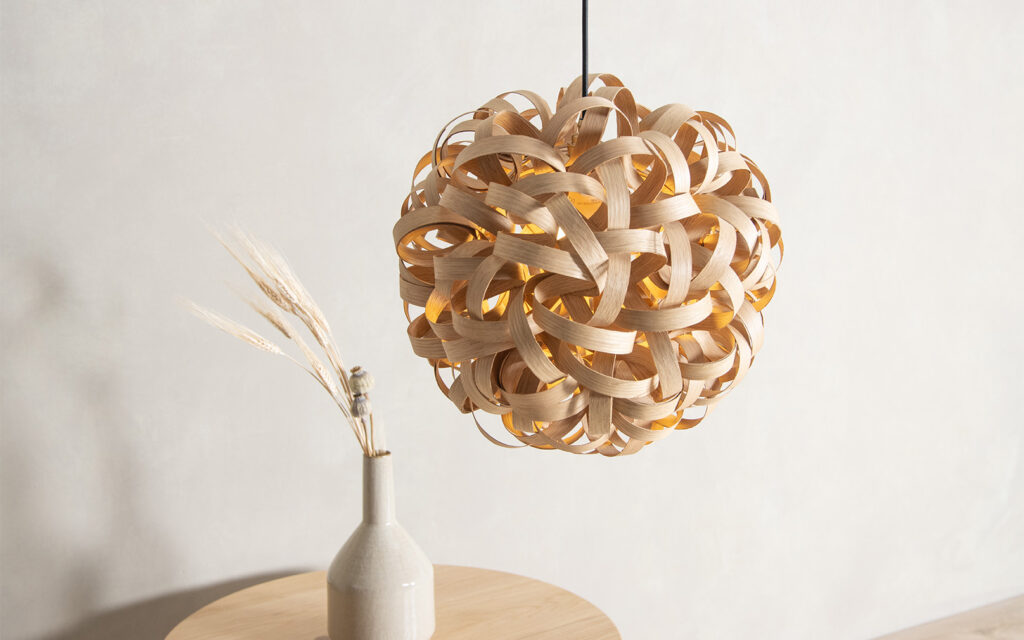
What makes Tom Raffield’s lighting stand out is that the technique is visible. The bends are not decoration added at the end – they are the point. Every arc is a record of how far solid wood can be persuaded to go, and the calm finishes keep attention on material, shadow, and form.
Reply